
NEW PRODUCT / SOLUTION
Mushrooms
APPLICATION SECTOR
Food and beverage
VALORIZED OUTPUT
Coffee husks
TRL
Deploy
CONTEXT
Producing countries
SDG


VALUE CHAIN AREA
Abundant in tropical regions, coffee husks contain anti-nutritional compounds such as tannins, caffeine, and phenolic compounds, which can limit their use in livestock feed and microbial growth. As a result, large amounts of coffee husks remain unutilized, contributing to environmental waste. Breaking down these compounds opens new avenues for their application. One promising solution is mushroom cultivation, which converts inedible waste into valuable, marketable biomass (Dissasa, 2022).
Coffee husks serve as an ideal substrate for mushroom cultivation due to their availability, cost-effectiveness, and naturally loose structure, which eliminates the need for grinding. However, proper disinfection is necessary before use. This substrate is particularly suitable for cultivating species such as Lentinula edodes (shiitake) and Flammulina velutipes. Studies have shown that fermenting coffee husks with the fungus Pleurotus ostreatus enhances their nutritional value by increasing protein and cellulose content while reducing levels of lignin, tannins, and caffeine (Hoseini et al., 2021).
To optimize mushroom growth, coffee husks can be supplemented with materials such as cow dung and gypsum. Cow dung serves as a nitrogen source, enriching the substrate with essential nutrients, while gypsum regulates ionic balance and stabilizes pH levels, creating optimal conditions for fungal development.
Coffee husks processed through dry methods can be repurposed for cultivating mushrooms like oyster mushrooms. The preparation process involves cleaning, drying, and sometimes chopping the husks to achieve the desired texture. Mushroom spawn, containing mycelium—the vegetative structure of fungi—is then introduced. Over the following weeks, the mycelium colonizes the substrate under controlled conditions. Once colonization is complete, exposure to fresh air, light, and optimal humidity levels triggers mushroom formation. When the mushrooms reach the appropriate size, they are ready for harvesting, completing the transformation of coffee husk waste into a sustainable, high-value food product.
Source:
- Cássia, M. (2012). Enrichment of Pleurotus ostreatus mushrooms with selenium in coffee husks. Food Chemistry. https://www.academia.edu/101348187/Enrichment_of_Pleurotus_ostreatus_mushrooms_with_selenium_in_coffee_husks
- Dissasa, G. (2022). Cultivation of different oyster mushroom (Pleurotus species) on coffee waste and determination of their relative biological efficiency and pectinase enzyme production, Ethiopia. International Journal of Microbiology, 2022, 1–10. https://doi.org/10.1155/2022/5219939
- Hoseini, M., Cocco, S., Casucci, C., Cardelli, V., & Corti, G. (2021). Coffee by-products derived resources. A review. Biomass and Bioenergy, 148, 106009. https://doi.org/10.1016/j.biombioe.2021.106009
- ICO 2024, Beyond Coffee: Towards a Circular Coffee Economy coffee-development-report-2022-23.pdf
DESCRIPTION


IMPACTS


The natural acidity of coffee husks may not be suitable for all mushroom species, requiring pH adjustments with specific amendments. Additionally, the nutrient composition of coffee husks varies based on factors such as coffee bean variety and storage conditions, which can influence the quality of the cultivated mushrooms.
Furthermore, it is essential to consider food safety and agricultural regulations governing the use of coffee husks in mushroom cultivation to ensure compliance and sustainability.
CHALLENGES AND LIMITS

DO IT YOURSELF

EXAMPLES OF APPLICATION
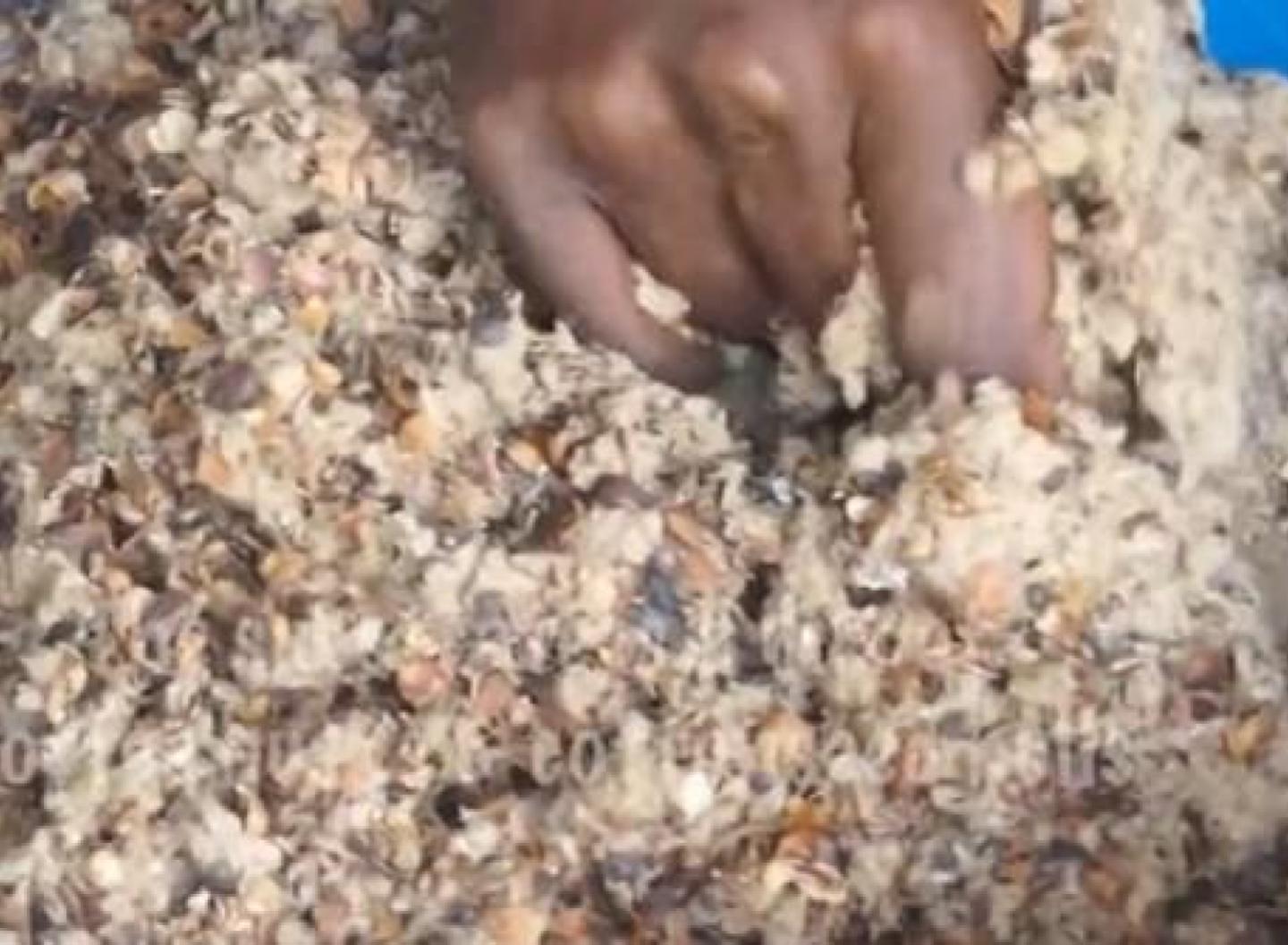
Within the Ujana Coffee Project, SawaWorld trains young entrepreneurs to repurpose coffee husks as a growing medium for mushrooms, turning agricultural residues into a nutritious, marketable product. This accessible, low-cost technique fosters youth employment, strengthens food security, and advances circular practices across coffee-producing communities in Uganda.
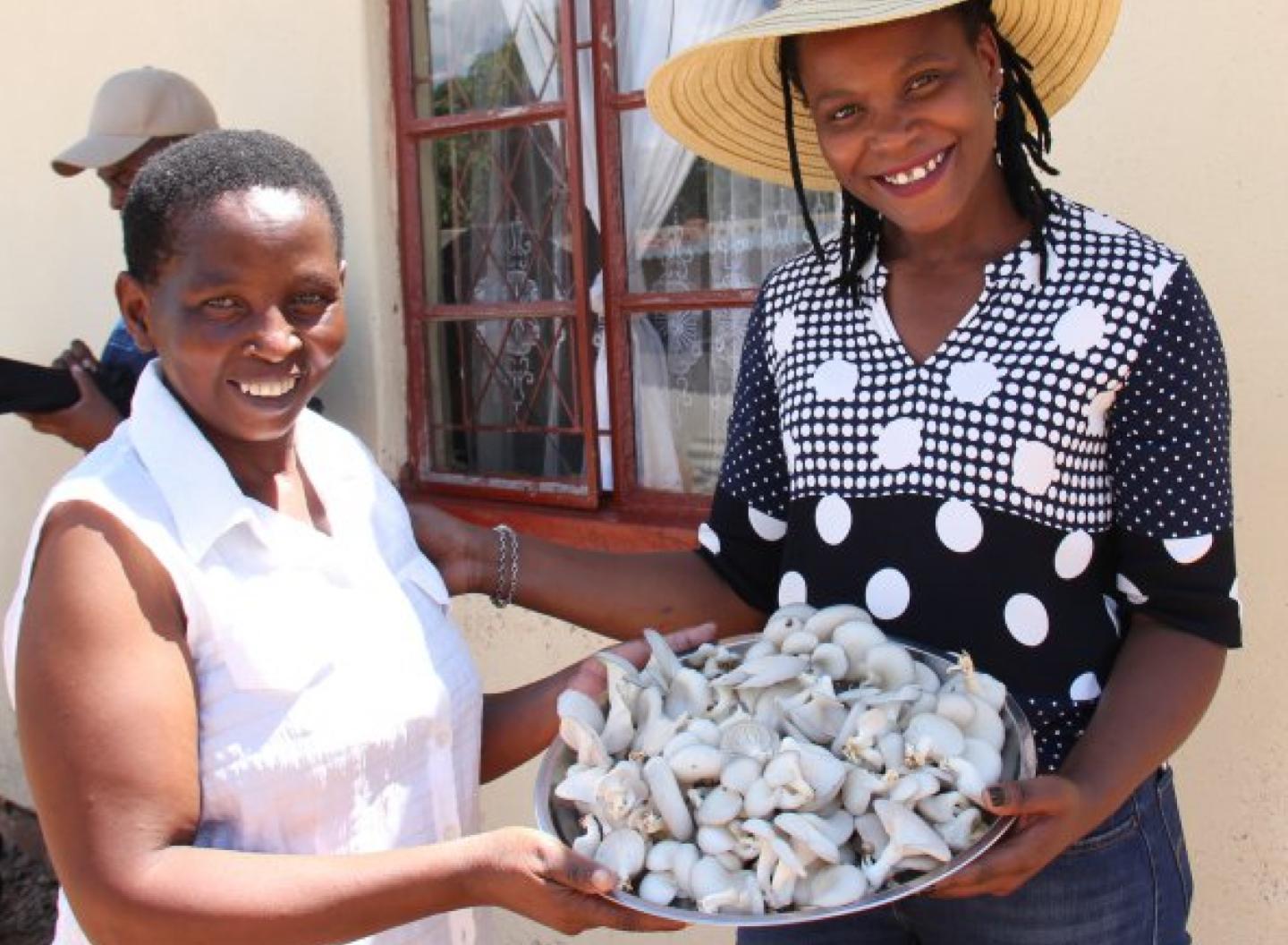
The Future of Hope Foundation trains women and youth in Zimbabwe to cultivate mushrooms using agricultural waste, such as maize stalks, coffee waste, and baobab fruit waste.