
NEW PRODUCT / SOLUTION
Beverage from coffee leaves
APPLICATION SECTOR
Food and beverage
VALORIZED OUTPUT
Prunings
TRL
Deploy
CONTEXT
Producing countries
SDG


VALUE CHAIN AREA

In many coffee-growing regions, people have been brewing tea-like drinks from coffee leaves for generations. These warm, comforting infusions were valued not just for their smooth, pleasant taste, but also for the way they made people feel, relaxed, refreshed, and gently energized, without the intense buzz of regular coffee. Today, many who drink coffee leaf tea say it helps them feel lighter, more focused, and less tired. Some also notice improvements in digestion, a sense of balance, and overall well-being. This may be thanks to the natural plant compounds found in the leaves. Although they contain less caffeine than coffee beans, coffee leaves are still rich in gentle, beneficial elements, especially the younger ones, which hold higher levels of these active ingredients. These younger leaves are light green or bronze in color, while older ones darken as they mature. Each leaf stays on the plant for around 7 to 10 months.
Historically, in Ethiopia from the 16th to 19th century, people reserved their harvested beans for trade or special events, while drinking kuti in daily life, a traditional brew made by slowly boiling coffee leaves with a pinch of salt or sugar. It was said that the longer the leaves were boiled, the sweeter the drink would be. In Indonesia, coffee pickers weren’t allowed to consume the beans they harvested, so they turned to kawa daun, a soothing drink made from the leaves instead. Now, coffee leaf tea is making a quiet comeback around the world. It’s usually prepared by steeping the dried leaves in hot water, like tea, but they can also be fermented, mixed with herbs, or ground. The resulting drink is smooth and mellow, with a natural sweetness and gentle flavor. It tastes a bit like green tea, but softer, with notes of vanilla, honey, and earthy undertones.
Sources:
- European Food Safety Authority (EFSA). (2020). Technical report on the notification of infusion from coffee leaves (Coffea arabica L. and/or Coffea canephora Pierre ex A. Froehner) as a traditional food from a third country pursuant to Article 14 of Regulation (EU) 2015/2283. EFSA Supporting Publications, EN-1783. https://efsa.onlinelibrary.wiley.com/doi/pdf/10.2903/sp.efsa.2020.EN-1783
- Fibrianto, K., Yuwono, S. S., & Wahibah, L. Y. (2021). Brewing optimization for functional properties and visual appearance of Dampit Robusta coffee leaves tea. Advances in Food Science, Sustainable Agriculture and Agroindustrial Engineering, 4(1), 25–32. https://afssaae.ub.ac.id/index.php/afssaae/article/view/76
- Rovelli, D., Nucci, A., Serito, B., & Dall’Asta, C. (2024). Coffee leaves valorization through a metabolomic approach. Proceedings, 109(1), 3. https://doi.org/10.3390/ICC2024-17973
DESCRIPTION


IMPACTS



Introducing coffee leaf tea to global markets comes with both opportunities and challenges. Although now authorized in the European Union as a novel food, and increasingly available in wealthier countries, its path to wider acceptance is still shaped by regulations and consumer expectations. And following the safety measures of the consuming regions is of great limit when it comes to food products.
A common misconception is that coffee leaf tea tastes like roasted coffee or has a similar caffeine kick. In reality, it’s a completely different beverage—with a distinct flavor and gentler effect on the body. This gap between expectation and experience can lead to limited interest and commercial demand.
To make the drink more appealing, especially to new consumers, aromatization—adding natural flavors or blending with herbs—can help enhance its taste and familiarity. Clear communication about what coffee leaf tea truly is, and how it differs from traditional coffee, is essential to building consumer interest and trust.
CHALLENGES AND LIMITS

EXAMPLES OF APPLICATION
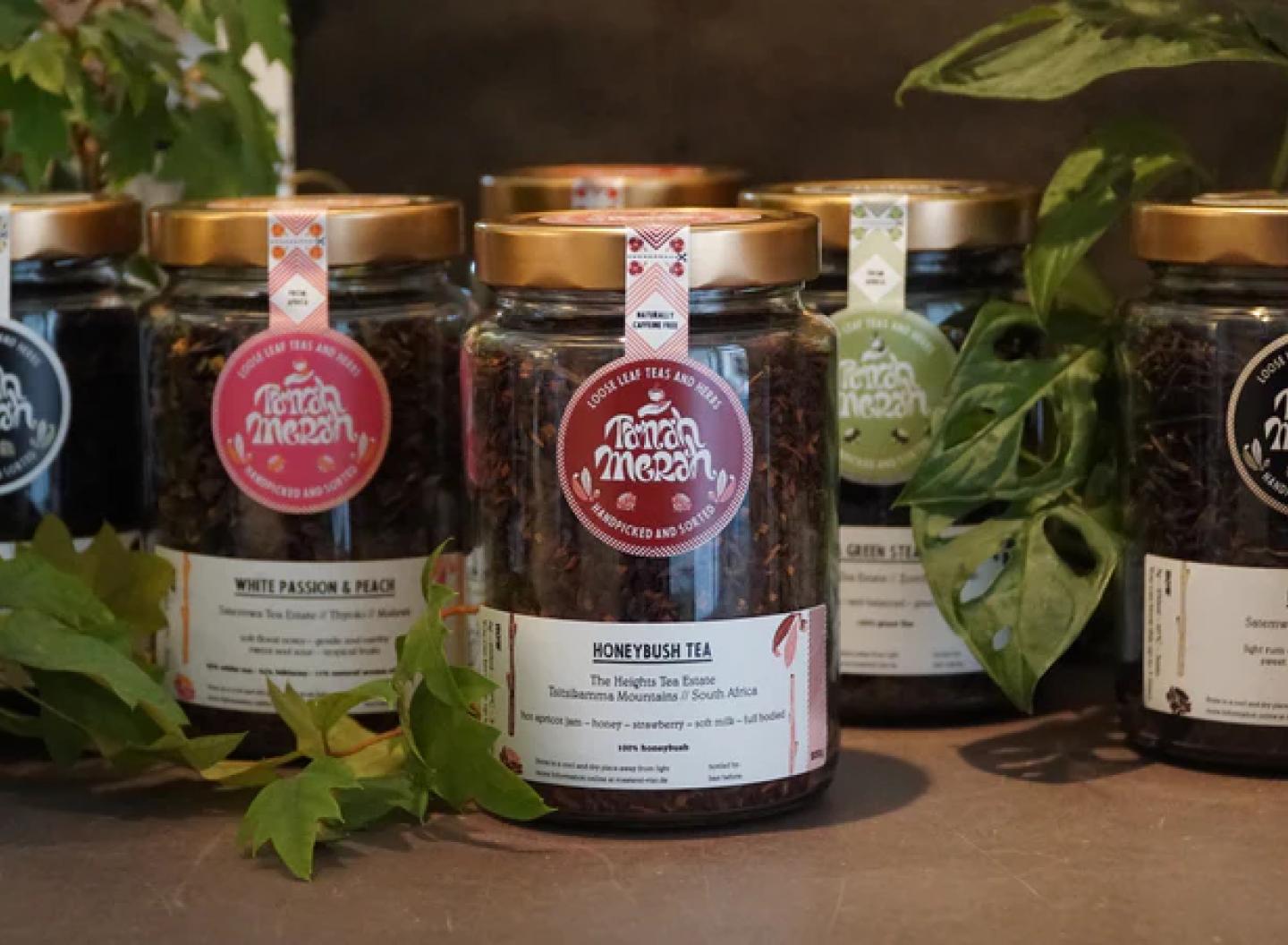
The coffee leaves, after being roasted, can be ground up or crumpled, then brewed or steeped in hot water in a form similar to tea; the resulting beverage is similar in taste to green tea, but with less caffeine content than either regular tea or coffee.
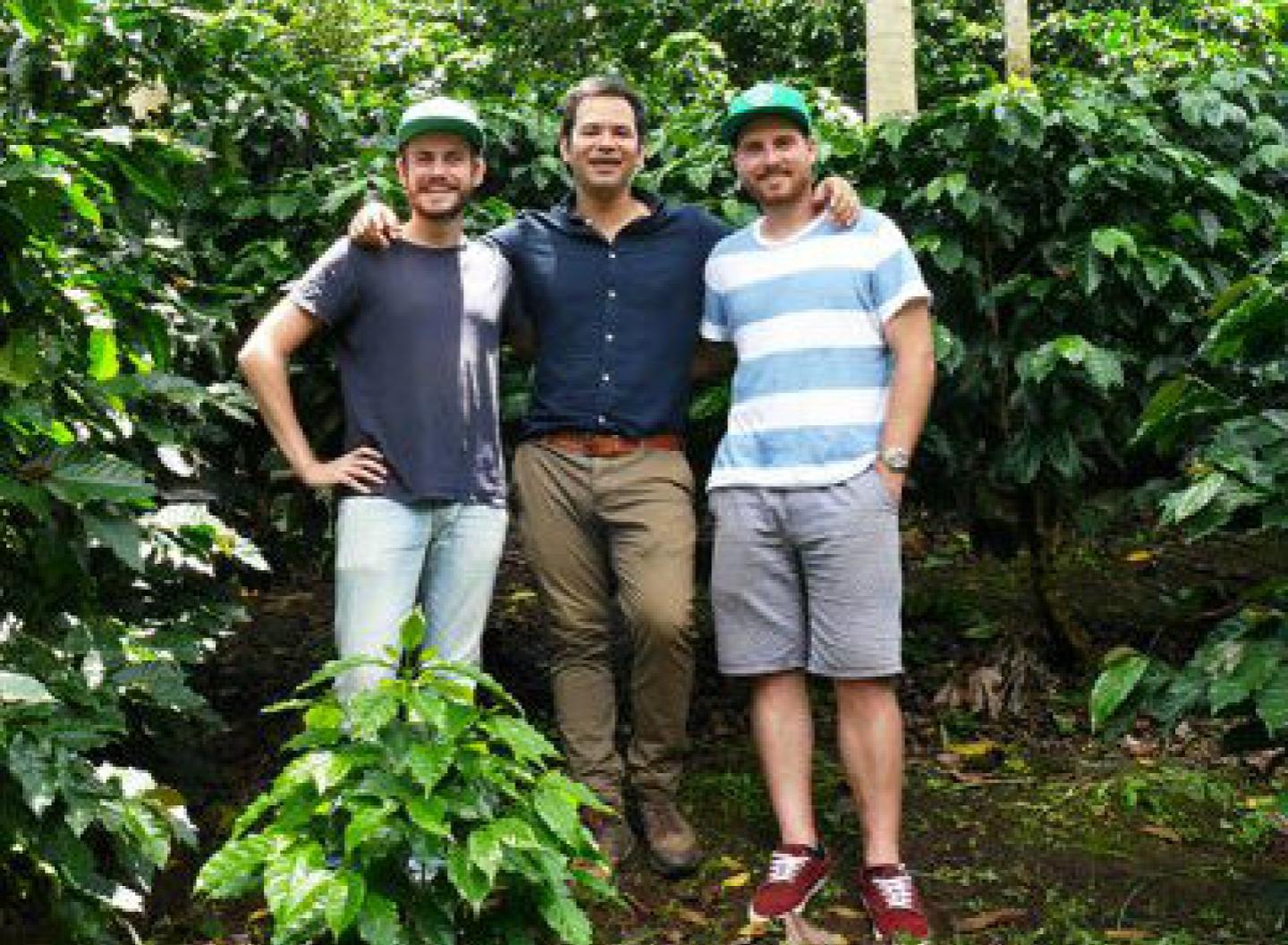
Wize is a Vancouver startup which selects coffee leaves from different coffee producing countries to produce aromatized tea from coffee leaves.
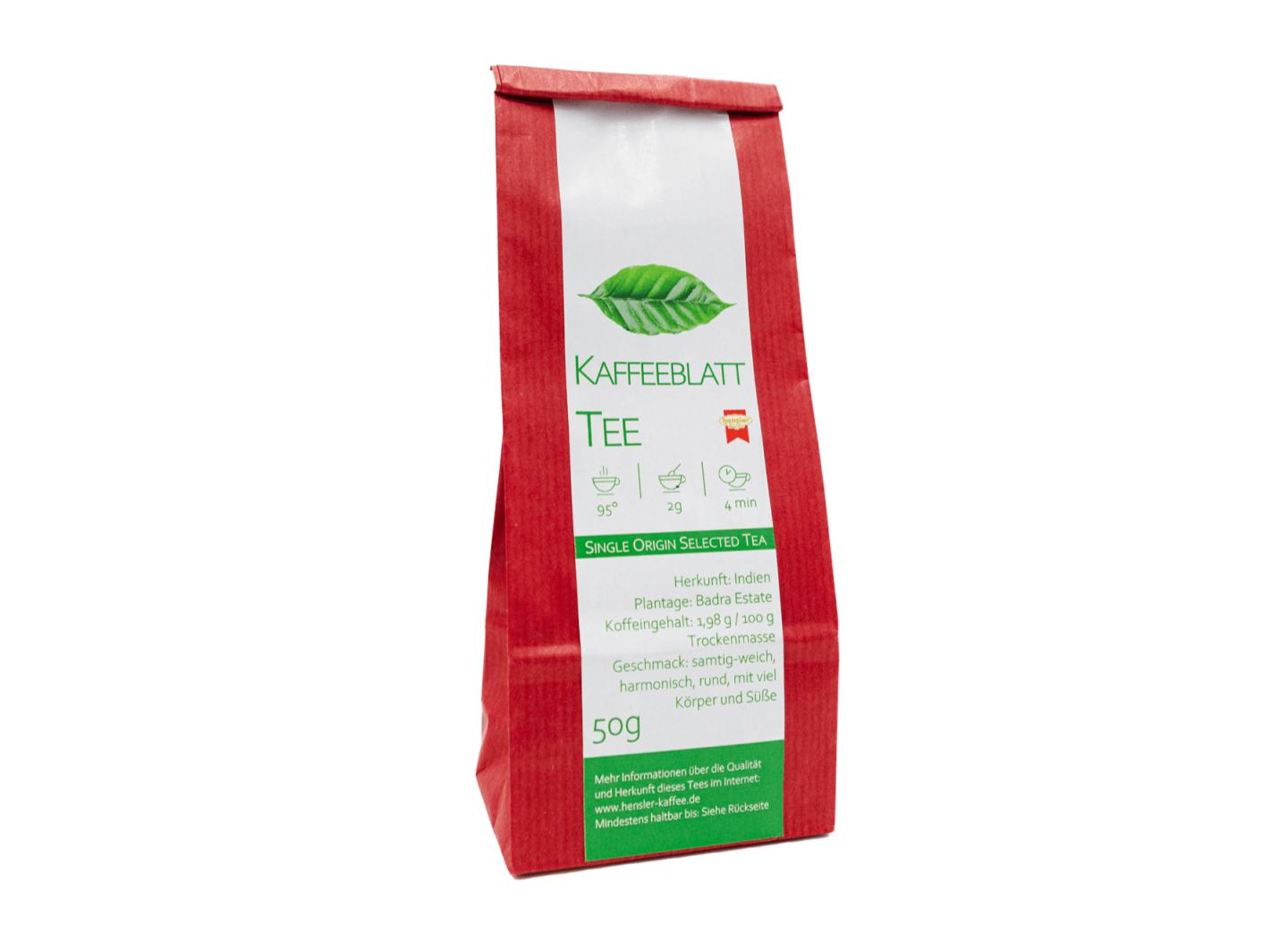
Dried coffee leaves to be infused which provide many health benefits from antioxidant to anti-aging effects.
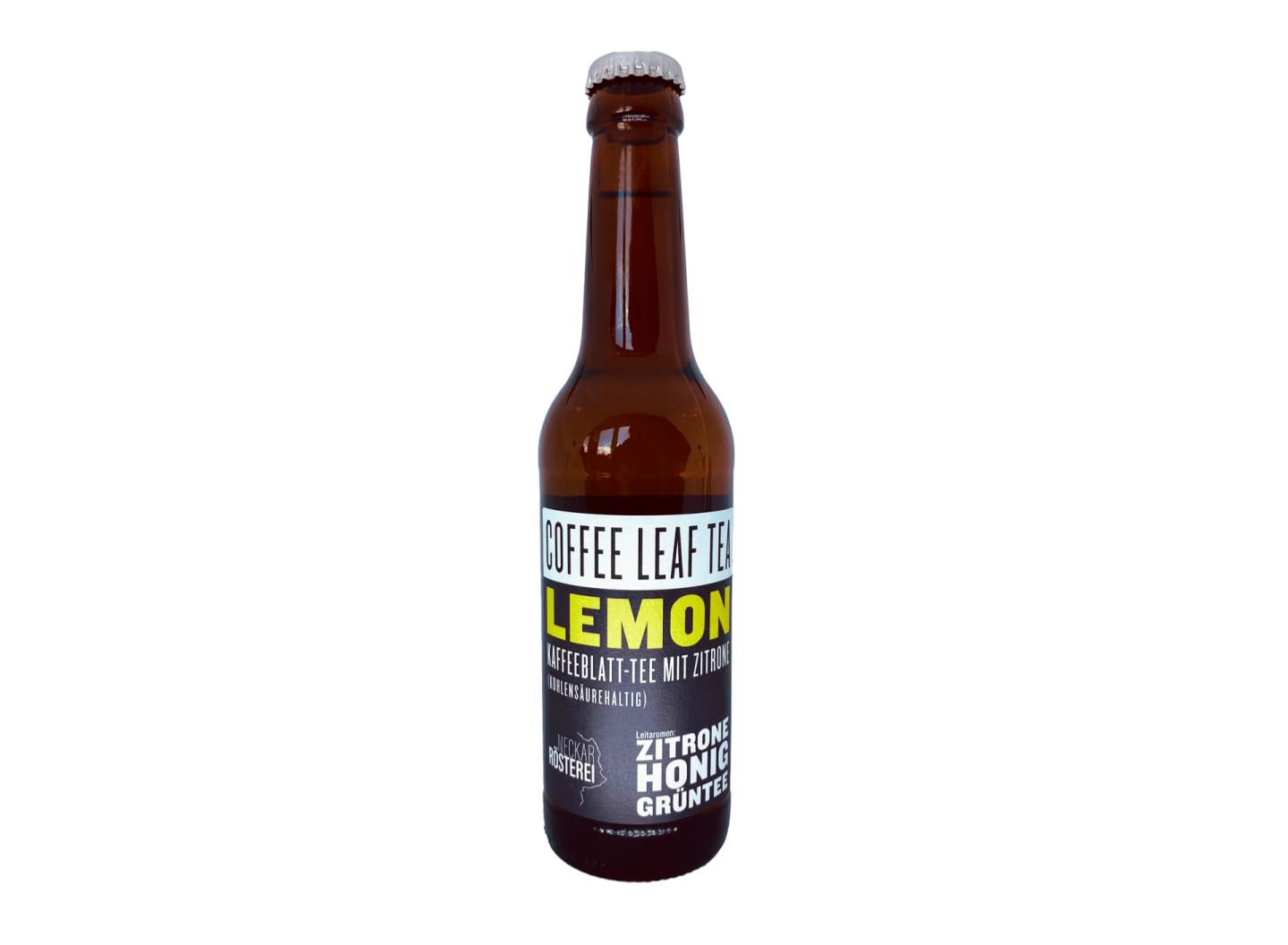
This sparkling coffee leaf lemon tea offers a refreshing and energizing experience with natural flavors of lemon, honey, and green tea. With 100 mg of caffeine per liter and low sugar content, it’s a perfect, light alternative to coffee and a great base for creative cocktails like gin mixers.
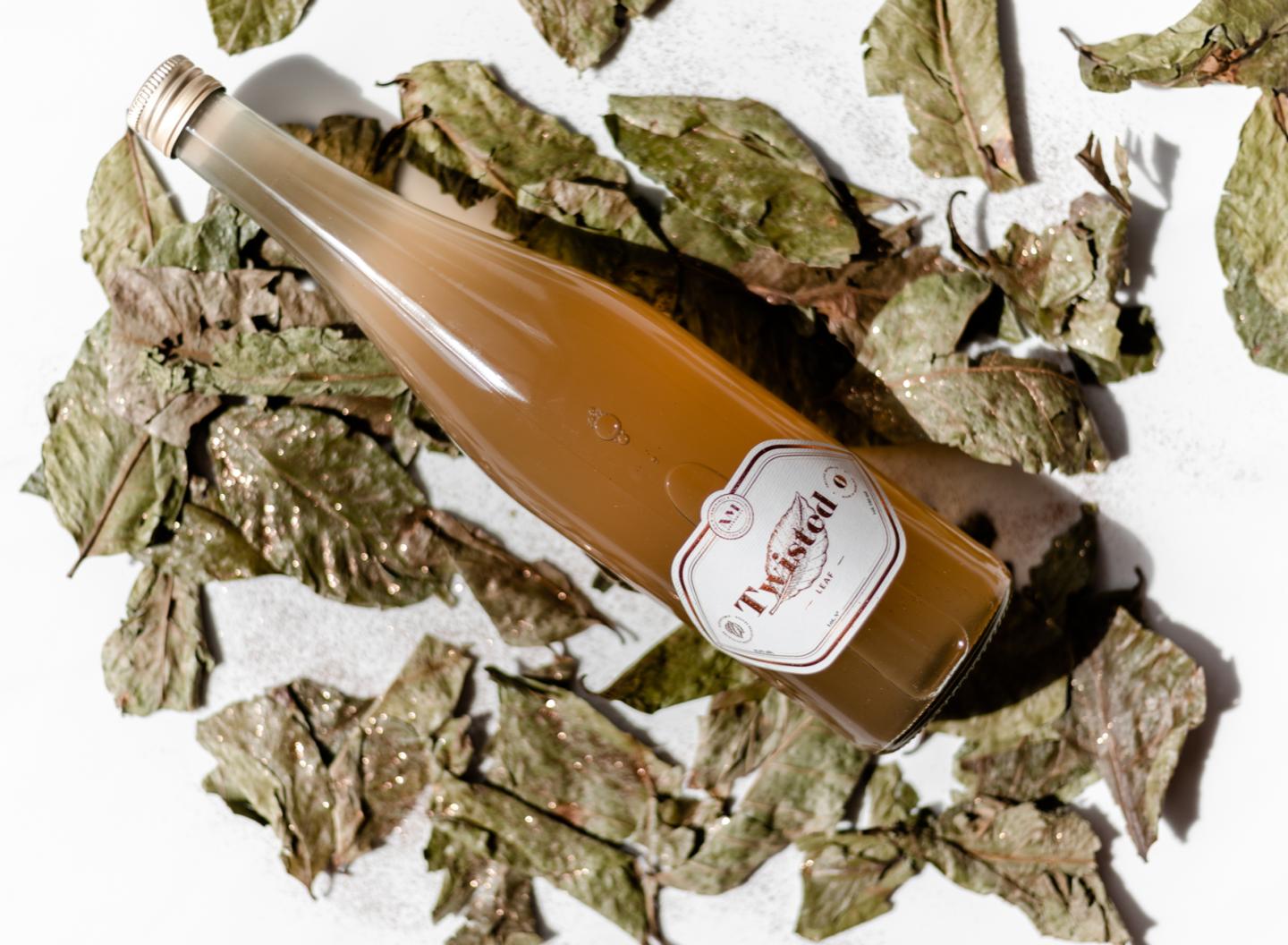
Amber Breweries, founded in Denmark with support from Future Food Innovation and the Danish Technological Institute, has developed a new type of beverage made from dried coffee leaves. By upcycling pruned leaves, typically discarded, they create antioxidant-rich drinks that promote sustainability while providing new income opportunities for smallholder coffee farmers.
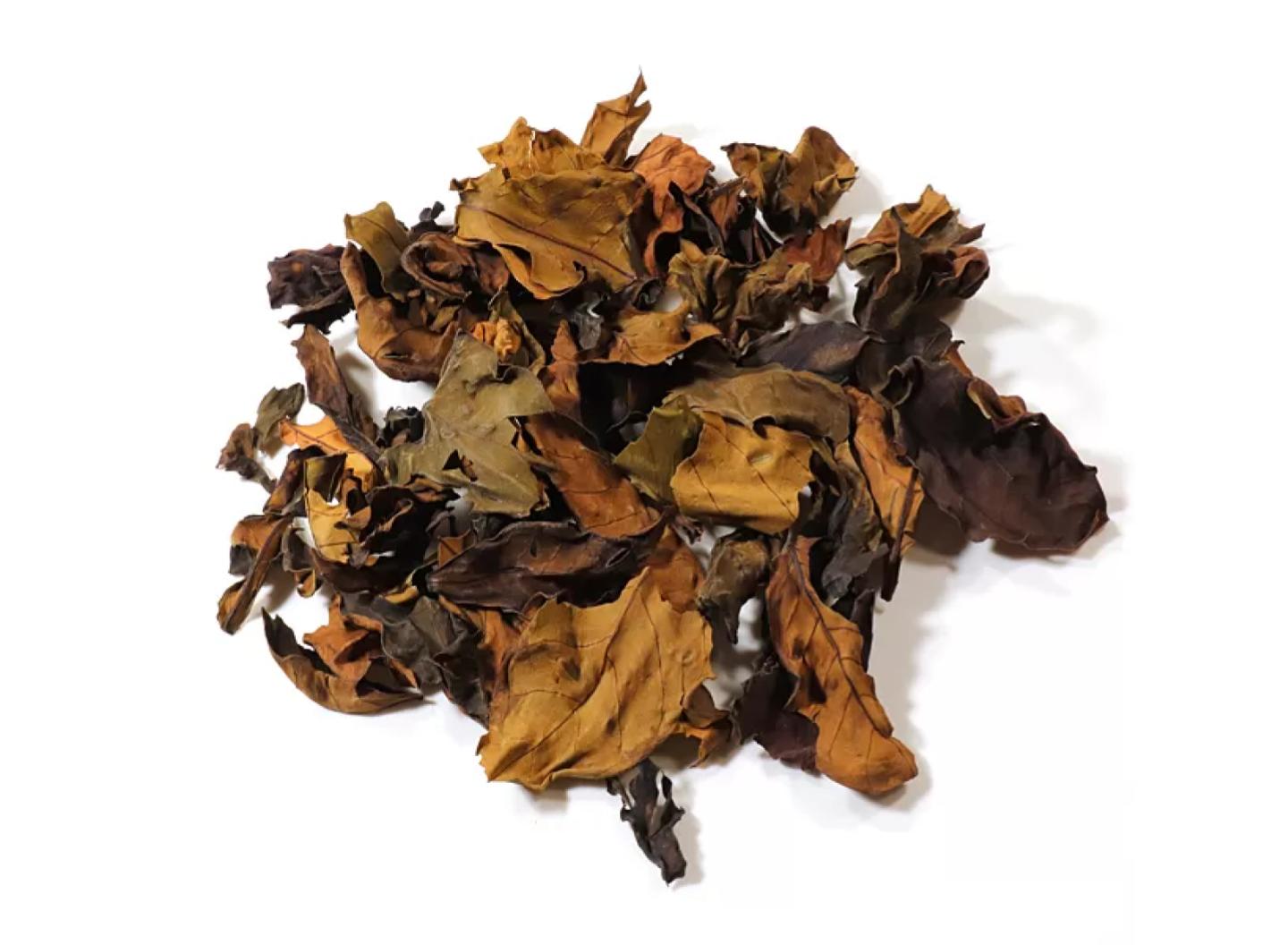
This organic Bourbon coffee leaf tea (Kaffeeblatt-Tee Bourbon Natural Leaf - Bio) is crafted on the slopes of Mount Kilimanjaro in Tanzania, where skilled harvesters carefully select the finest coffee leaves. The leaves are hand-processed using traditional orthodox tea methods, resulting in a golden-orange infusion with a delicate, slightly fruity flavor.
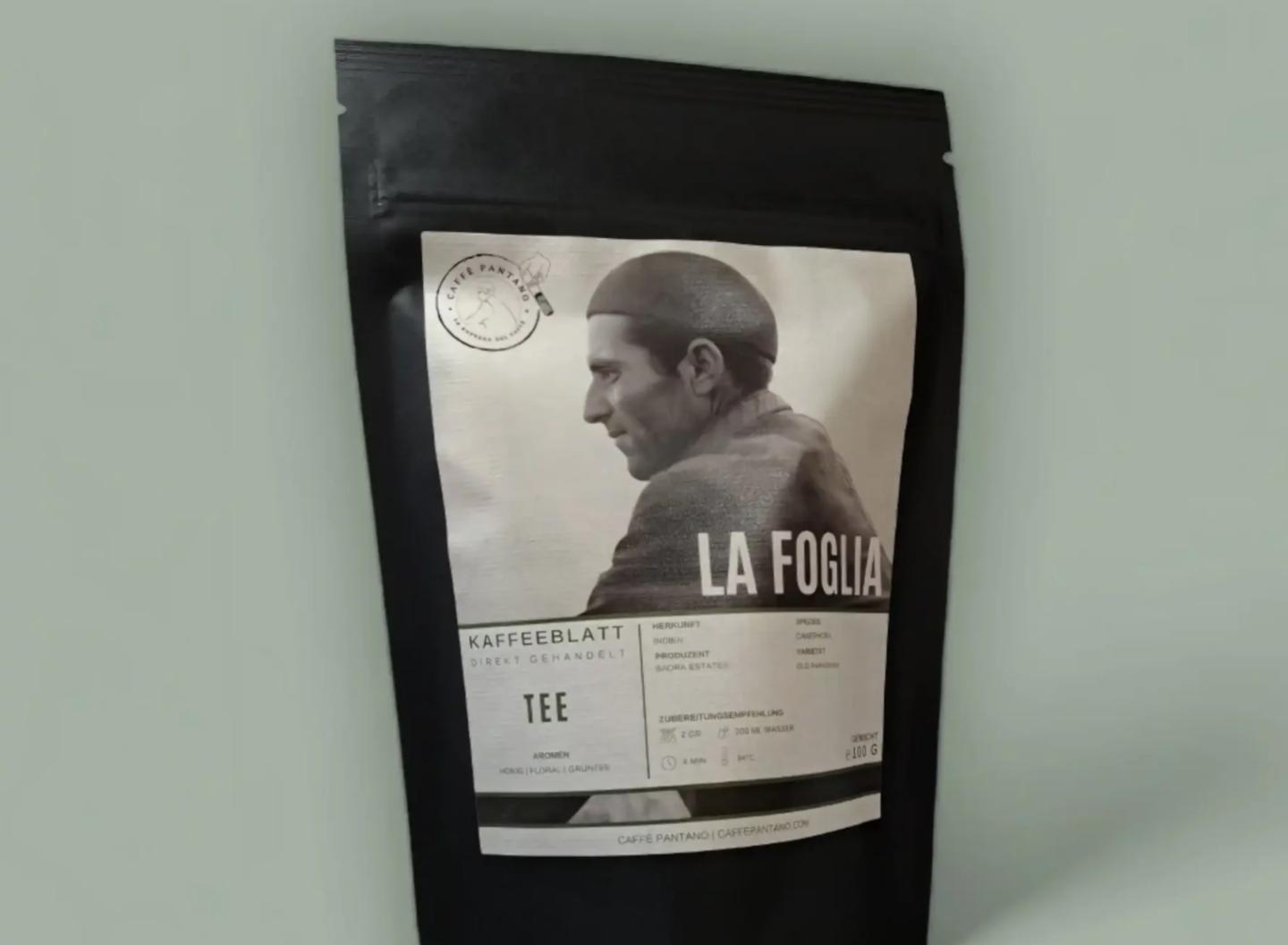
A delicate and naturally sweet infusion made from the leaves of Canephora coffee plants grown in India. Carefully harvested at Badra Estates, the leaves are processed to create a smooth tea with floral and honey-like notes. With a low caffeine content, La Foglia Kaffeeblatt Tee is a gentle and enjoyable alternative to coffee—perfect for any time of day.
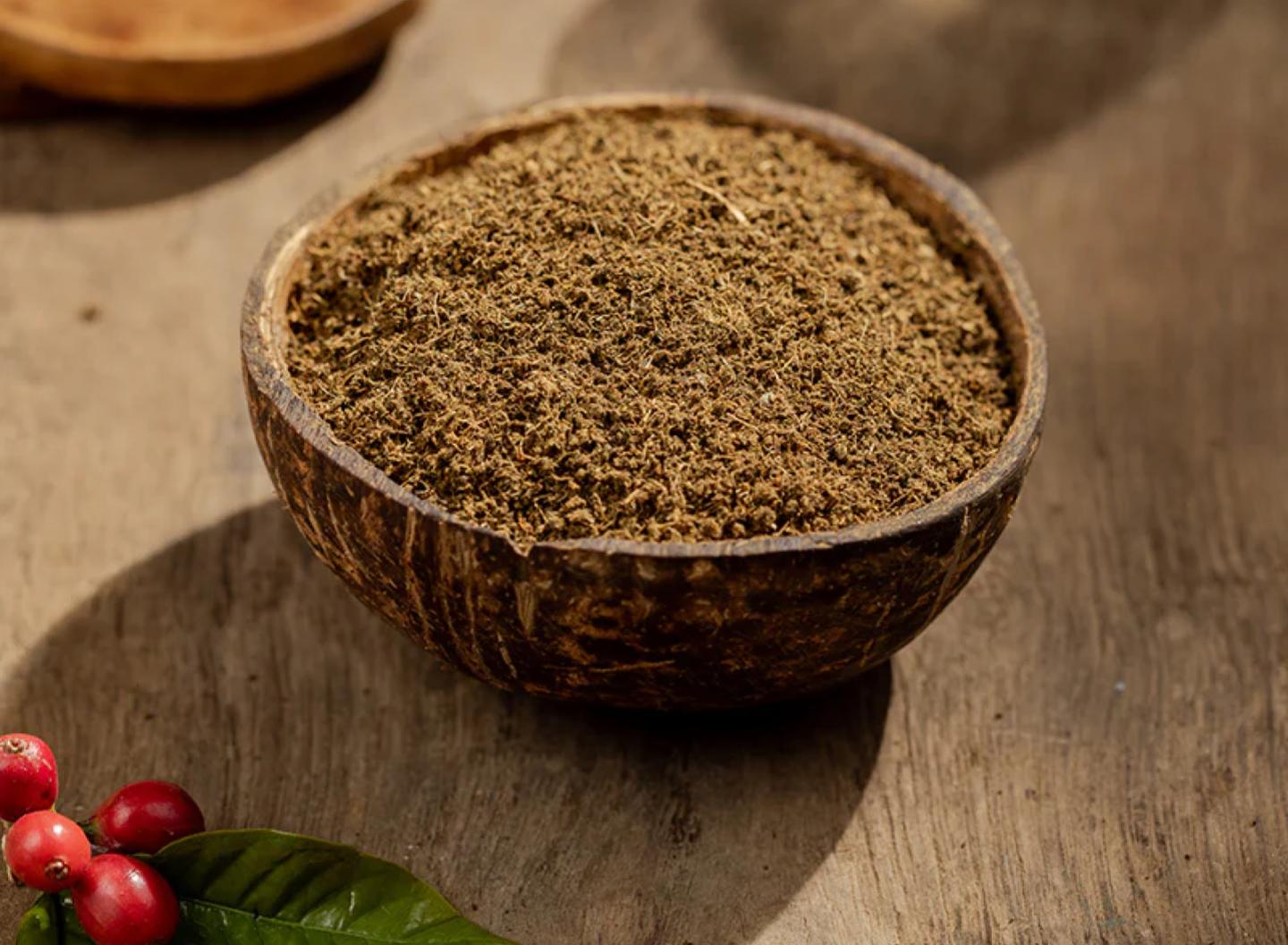
This unique infusion is crafted from the young, tender leaves of coffee plants grown at Badra Estates in India. Carefully harvested and lightly processed, it offers a smooth, earthy taste with gentle herbal notes, similar to green tea but naturally sweeter. Each cup delivers a subtle caffeine boost—about 0.2–0.6%—and is packed with antioxidants.