
NEW PRODUCT / SOLUTION
Bokashi and biochar
APPLICATION SECTOR
Agriculture
VALORIZED OUTPUT
Coffee husks
TRL
Deploy
CONTEXT
Producing countries
SDG


VALUE CHAIN AREA
Biochar derived from coffee husks, produced through controlled pyrolysis or gasification of plant biomass, offers a promising avenue for soil enhancement. Its application has been shown to significantly improve microbial activity, water retention, and nutrient availability in agricultural soil. Utilizing coffee husks for biochar production not only provides an effective solution for organic waste management but also results in a high-quality soil amendment that enhances soil fertility and boosts crop productivity.
Beyond its role as a soil amendment, biochar contributes to carbon sequestration, helping mitigate climate change. Its high lignocellulosic content makes coffee husks an ideal feedstock for biofuel production through pyrolysis, fermentation, and anaerobic co-digestion, further advancing the transition to biomass energy (Tamilselvan et al., 2024).
Similarly, bokashi composting—a process that ferments organic waste using specialized microorganisms—positions coffee husks as an excellent raw material due to their high carbon content. When processed through bokashi composting, coffee husks are transformed into a nutrient-rich soil enhancer, improving soil structure, fertility, and microbial diversity. This sustainable approach supports agricultural productivity while contributing to environmental conservation efforts.
In countries like Vietnam and Peru, pilot initiatives have successfully implemented small-scale pyrolysis systems to maximize the value of coffee waste. These systems convert coffee husks into three primary outputs: heat energy for mechanical coffee dryers, biochar for soil enrichment, and pyroligneous liquid (wood vinegar), which can be marketed as a natural pesticide. The outcomes of these pilot projects demonstrate notable environmental and economic benefits, including additional income from biochar sales, increased coffee yields, reduced climate risks, lower greenhouse gas emissions, decreased fertilizer runoff, reduced deforestation, and the development of local biochar markets (Biochar Vietnam, n.d.; RePiC, 2020).
By integrating biochar and bokashi composting into agricultural practices, sustainable soil management can be achieved while supporting climate resilience and resource efficiency.
Sources:
- IBI 2018, Kathleen Draper: The Potential for Biochar to Improve Sustainability in Coffee Cultivation and Processing: A White Paper
- Biochar Vietnam. (n.d.). Strengthening the business case of small scale pyrolysis in Vietnam. Biochar Vietnam. biocharvietnam.org/
- ICO 2024, Beyond Coffee: Towards a Circular Coffee Economy coffee-development-report-2022-23.pdf
- RePiC. (2020). Pulpa Pyro Peru: Clean generation of biochar and energy from coffee pulp [PDF file]. RePiC. https://www.repic.ch/wp-content/uploads/2020/07/Pulpa-Pyro-Peru-%E2%80%93Clean-generation-of-biochar-and-energy-fromcoffee-pul.pdf
- Tamilselvan, K., Sundarajan, S., Ramakrishna, S., Amirul, A. A. A. (2024). Sustainable valorization of coffee husk into value added product in the context of circular bioeconomy:Exploring potential biomass-based value webs. Food and Bioproducts Processing, 145, 187-202. https://doi.org/10.1016/j.fbp.2024.03.008
- Mills, T. et al (2025). Unlocking the Future of Climate-Smart Agriculture: Integrating Biochar Carbon Removal and Enhanced Rock Weathering into Agricultural Value Chains. Supported by Stripe Climate and Carbon Gap. www.futureofclimatesmartag.org
DESCRIPTION


IMPACTS


Monitoring soil acidity is essential when using soil amendments like bokashi and biochar made from coffee husks. While these amendments offer potential benefits, their limited availability and production methods can lead to higher costs compared to conventional fertilizers. Beyond cost considerations, it is also important to navigate regulatory guidelines on the application of organic waste materials, which require careful attention and thorough research for compliance.
CHALLENGES AND LIMITS

DO IT YOURSELF

EXAMPLES OF APPLICATION
Melitta
Hanns R. Neumann Stiftung, German Federal Ministry for Economic Cooperation and Development– Back to the roots
Germany & Brazil , 2010-202
( Find Out more )

The project aims to identify possibilities to reuse and recycle organic waste in coffee production. Implemented in the region of Minas Gerais in Brazil, the project unites relevant stakeholders in coffee production: farmer families, farmer organizations, the regional HRNS office, a Melitta roastery, civil society and a renowned university.

The project takes a unique approach by providing access to locally-created and easy-to-start income skills that allow the youth to rapidly start small-scale businesses and with little startup costs. This provides additional revenue from their farming activities and motivates them to stay in the agricultural sector for the long-term.

Biochar Vietnam is an online information repository on biochar in Vietnam. It was established under the financial support of the State Secretariat for Economic Affairs (SECO) through the United Nations Industrial Development Organization (UNIDO) to share and disseminate knowledge, lessons, and initiatives in biochar research, production, and trade activities over the country.
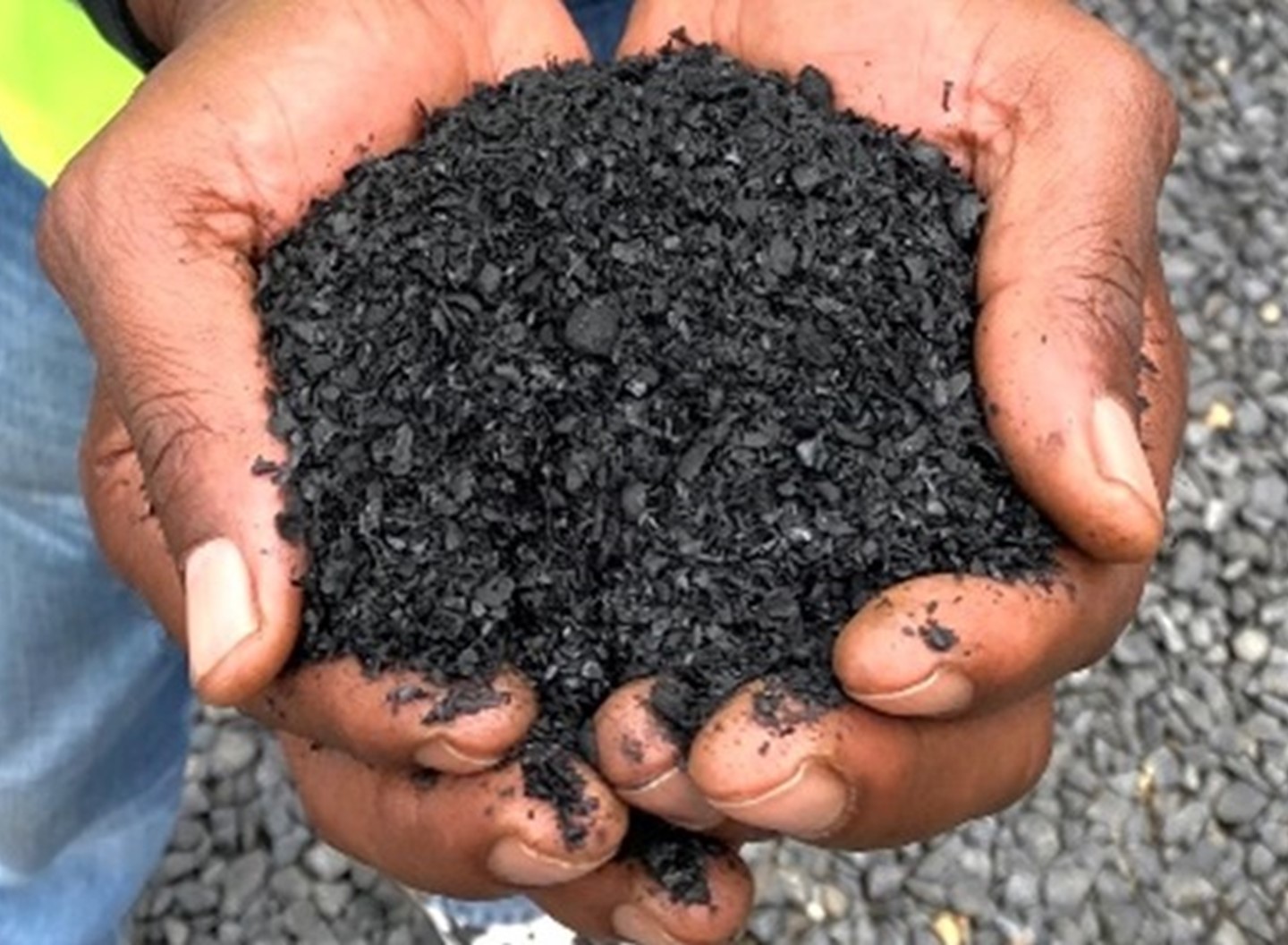
The NetZero first factory in Brazil is located in the State of Minas Gerais, and is the first of its kind in Latin America. Its annual production capacity of over 4,500 tonnes of biochar will allow to remove the equivalent of more than 6,500 tonnes of atmospheric CO2, while bringing a durable fertilisation solution for agriculture.

Cotierra leads decentralized biochar production with major coffee companies, turning coffee residues into on-farm biochar to sequester carbon, restore soil health, and improve farmer margins.