
NEW PRODUCT / SOLUTION
Biocomposite Materials
APPLICATION SECTOR
Rigid plastic
VALORIZED OUTPUT
Coffee silverskin
TRL
Deploy
CONTEXT
Global
SDG

VALUE CHAIN AREA

Biocomposite materials are a promising option for sustainable material production, utilising organic waste from diverse supply chains. Coffee waste, specifically silverskin, shows potential for integration into biopolymer matrices. By combining coffee silverskin with both virgin and recycled ABS, various formulations of biopolymers can be synthesised, offering a range of material properties and applications.
The process entails subjecting coffee silverskin to heat treatment and blending it with plastic matrices, along with appropriate additives. This results in composite materials that can be moulded into intricate shapes, such as headlamp housings, meeting the automotive sector’s strict requirements for durability, thermal stability, and aesthetic appeal. For example, in the automotive sector, biocomposites derived from coffee silverskin have been used to manufacture durable headlamp housings, offering thermal stability, strength, and aesthetic appeal.
Silverskin’s high cellulose content also presents opportunities for the development of sustainable polymers as viable alternatives to petroleum-based plastics. Researchers are actively exploring silverskin-derived cellulose for biodegradable films, fibers, and composites (Oliveira et al., 2021). Beyond the automotive industry, the furniture sector is also embracing these innovations. Volkswagen has tested silverskin as a filler in PVC/polyurethane-based vegan leather, while Danish furniture company Mater has developed Matek™, a composite material combining silverskin, coffee husks, and plastic waste (MaterUSA, n.d.).
Sources:
- ICO 2024, Beyond Coffee: Towards a Circular Coffee Economy coffee-development-report-2022-23.pdf
- Materusa. (n.d.). Matek. Materusa. https://materusa.com/ pages/matek
- Oliveira, G., Passos, C. P., Ferreira, P., Coimbra, M. A., & Gonçalves, I. (2021). Coffee By-Products and Their Suitability for Developing Active Food Packaging Materials. Foods, 10(3), 683. MDPI.
DESCRIPTION


IMPACTS


Despite its potential, integrating silverskin into polymer matrices while maintaining the desired performance characteristics remains a critical challenge. The goal is to develop biocomposites that are biodegradable or recyclable while maintaining cost-effectiveness and mass production feasibility without compromising quality and durability.
Additionally, while extracting lipids and other valuable compounds from silverskin holds commercial promise, high extraction costs have hindered widespread adoption. However, ongoing research has provided valuable insights into the functional potential of silverskin extracts. Although not yet fully integrated into large-scale manufacturing, silverskin has already been successfully incorporated into production of paper, which includes coffee grounds and other agricultural by-products.
Finally, the sustainable disposal and recycling of biopolymer-based products remain an ongoing challenge that requires further innovation. Addressing these concerns will be essential to ensuring that biocomposites derived from coffee waste contribute meaningfully to circular economy initiatives and sustainable manufacturing practices.
CHALLENGES AND LIMITS

EXAMPLES OF APPLICATION

Mixcycling is an innovative startup focusing on noble plastic which can be recycled but at the same time are filled with organic waste from different supply chains: Coffee waste, especially silverskin, can be mixed with virgin and recycled ABS to obtain different types of biopolymers.
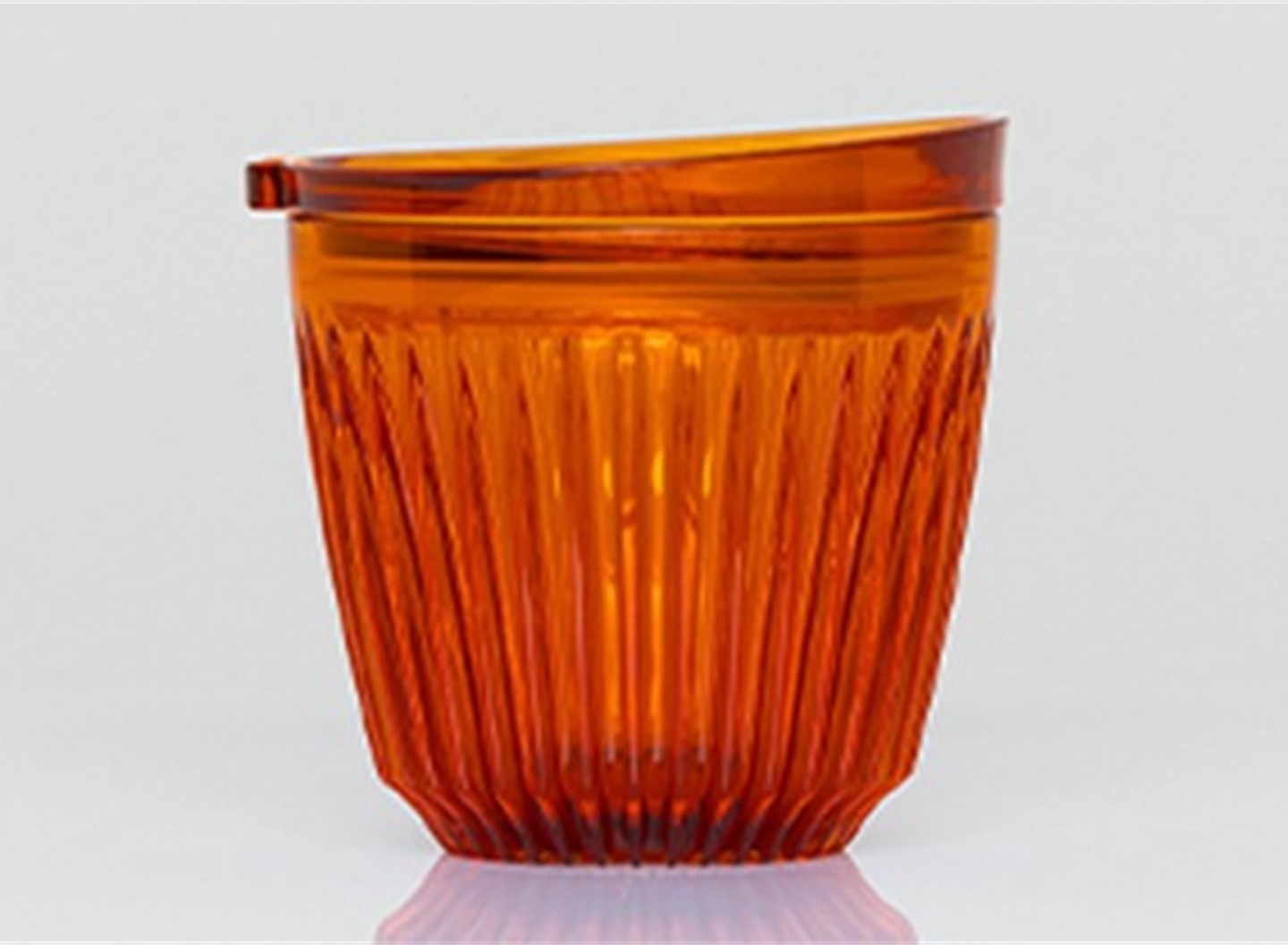
Coffee cup solutions is a company based in Australia focused on waste reduction in the coffee sector. By recycling plastic into a hardened version (Tritan Renew 50) huskee managed to replicate a glass-like texture.
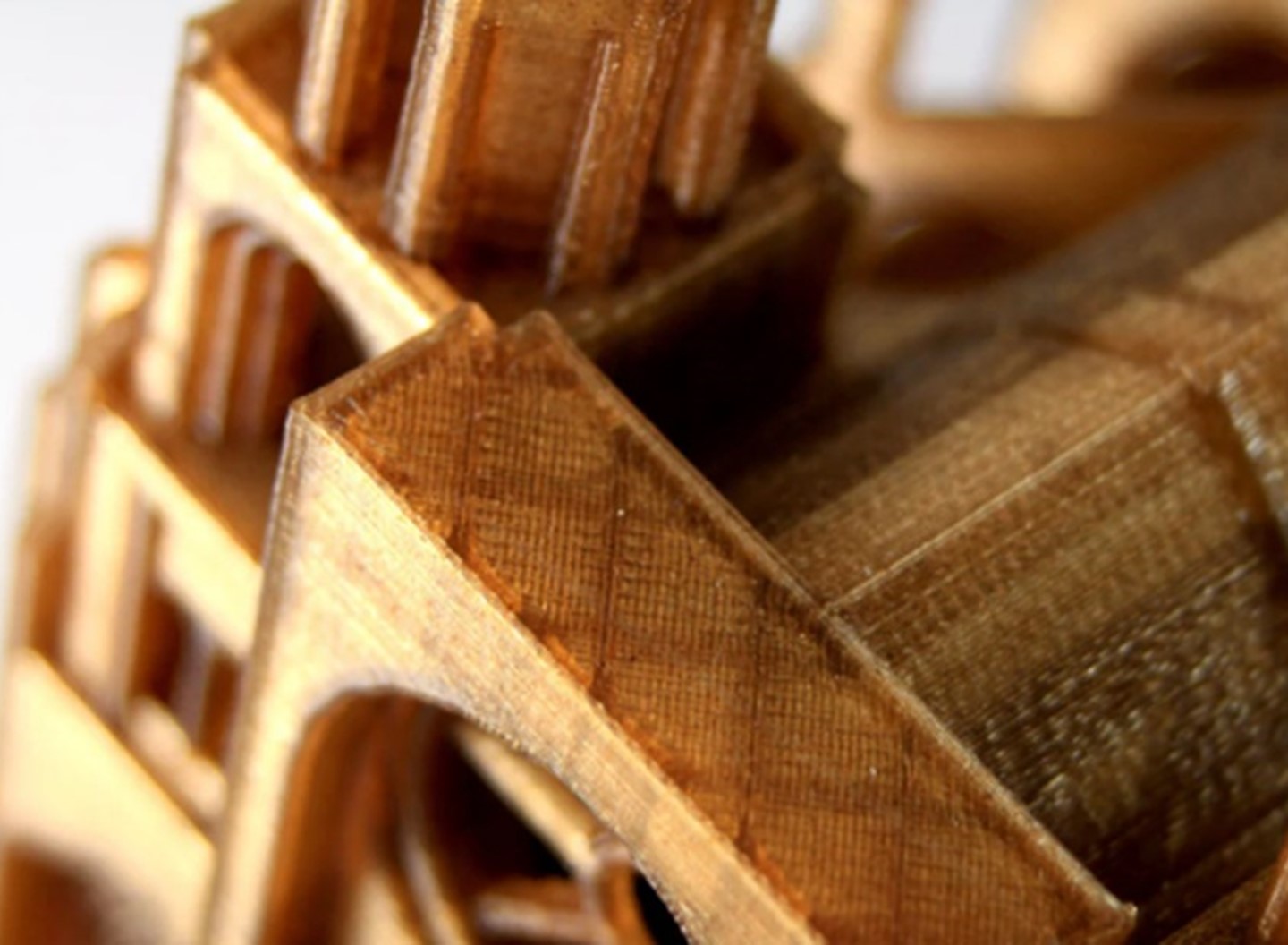
Wound Up is a coffee filled, biodegradable 3D printing filament made using by-products from coffee developed in 2016 by 3D fuel. Wound Up uses those coffee left-overs to create a special 3D printing material with visibly unique print finishes.