
NEW PRODUCT / SOLUTION
Rigid-plastic objects
APPLICATION SECTOR
Rigid plastic
VALORIZED OUTPUT
Spent coffee grounds
TRL
Deploy
CONTEXT
Global
SDG


VALUE CHAIN AREA

Spent coffee grounds can be repurposed into biopolymers through injection molding, a process that involves heating a mixture of coffee grounds, natural glues, and wood grains to create a liquid composite. This molten material is then injected into a mold under high pressure, allowing it to take the desired shape with precision.
For coffee cups made from spent coffee grounds, it is essential to meet strict performance standards, including food safety, durability, and heat resistance. Factors such as mold design, wall thickness, and part geometry must be optimized to minimize defects and ensure the final product meets industry requirements.
In addition to cups, spent coffee grounds are also being utilized in furniture manufacturing. They can be molded into chairs, tables, and other pieces, with some designs incorporating up to 100% coffee-based material. Alternatively, they can be blended with natural binders, polypropylene, or reinforced with jute bags to enhance strength and durability. In architecture, coffee grounds can be used to create panels and tiles when mixed with polylactic acid. These materials offer innovative applications, though their compostability and recyclability depend on the proportion of coffee grounds and the type of polymer used. Some variants may not be recyclable or biodegradable, making material selection a crucial factor in sustainable design.
Source:
- ICO 2024, Beyond Coffee: Towards a Circular Coffee Economy coffee-development-report-2022-23.pdf
DESCRIPTION


IMPACTS



To successfully replicate these practices in rigid-plastic kitchenware, manufacturers must consider varying food-contact regulations across different countries. Additionally, the cost-effectiveness and scalability of producing rigid-plastic objects from spent coffee grounds remain key factors in determining the feasibility of large-scale adoption.
CHALLENGES AND LIMITS

EXAMPLES OF APPLICATION
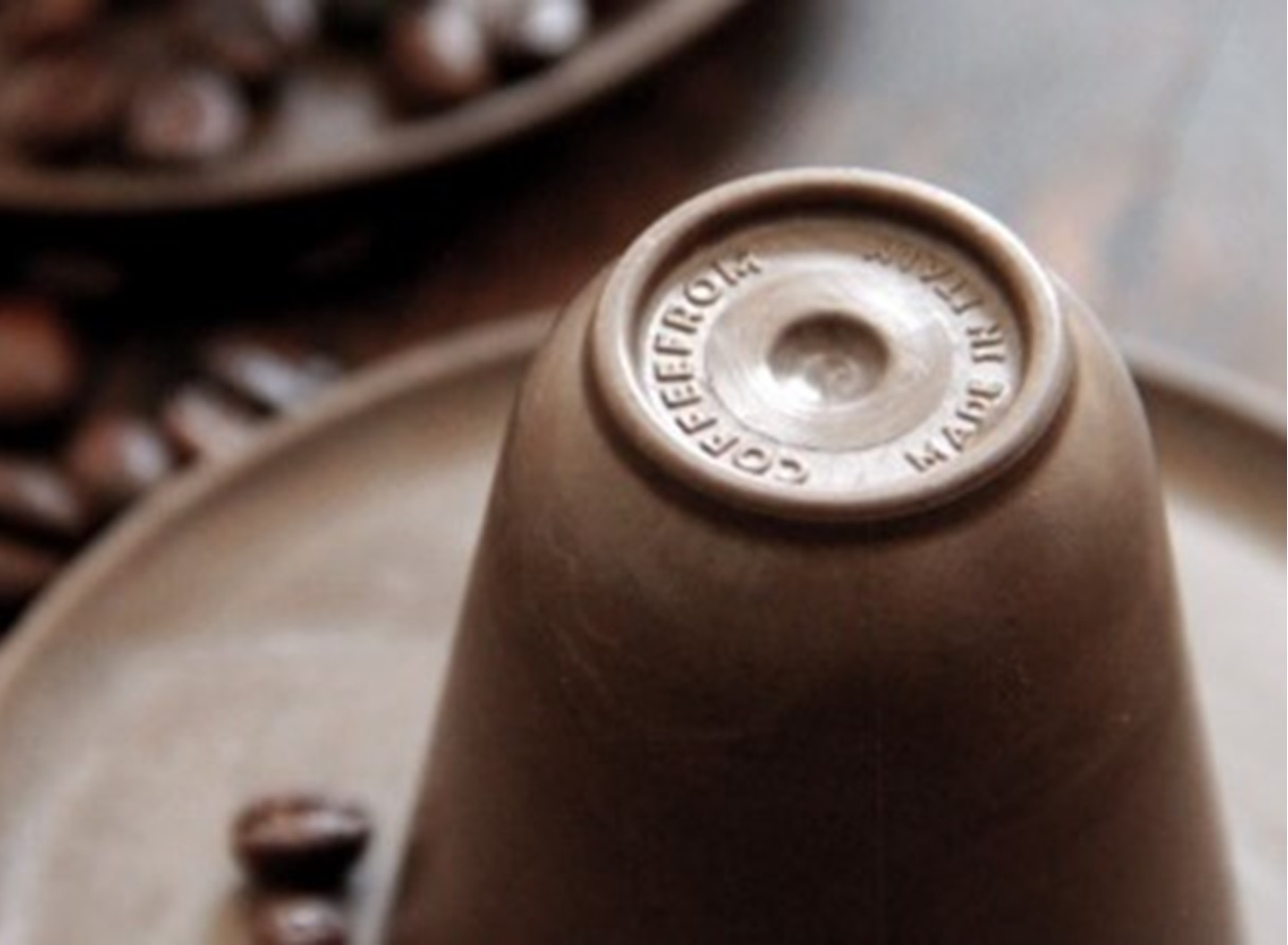
An Italian company producing biodegradable materials from industrial coffee grounds, used in tableware, packaging, and writing instruments.
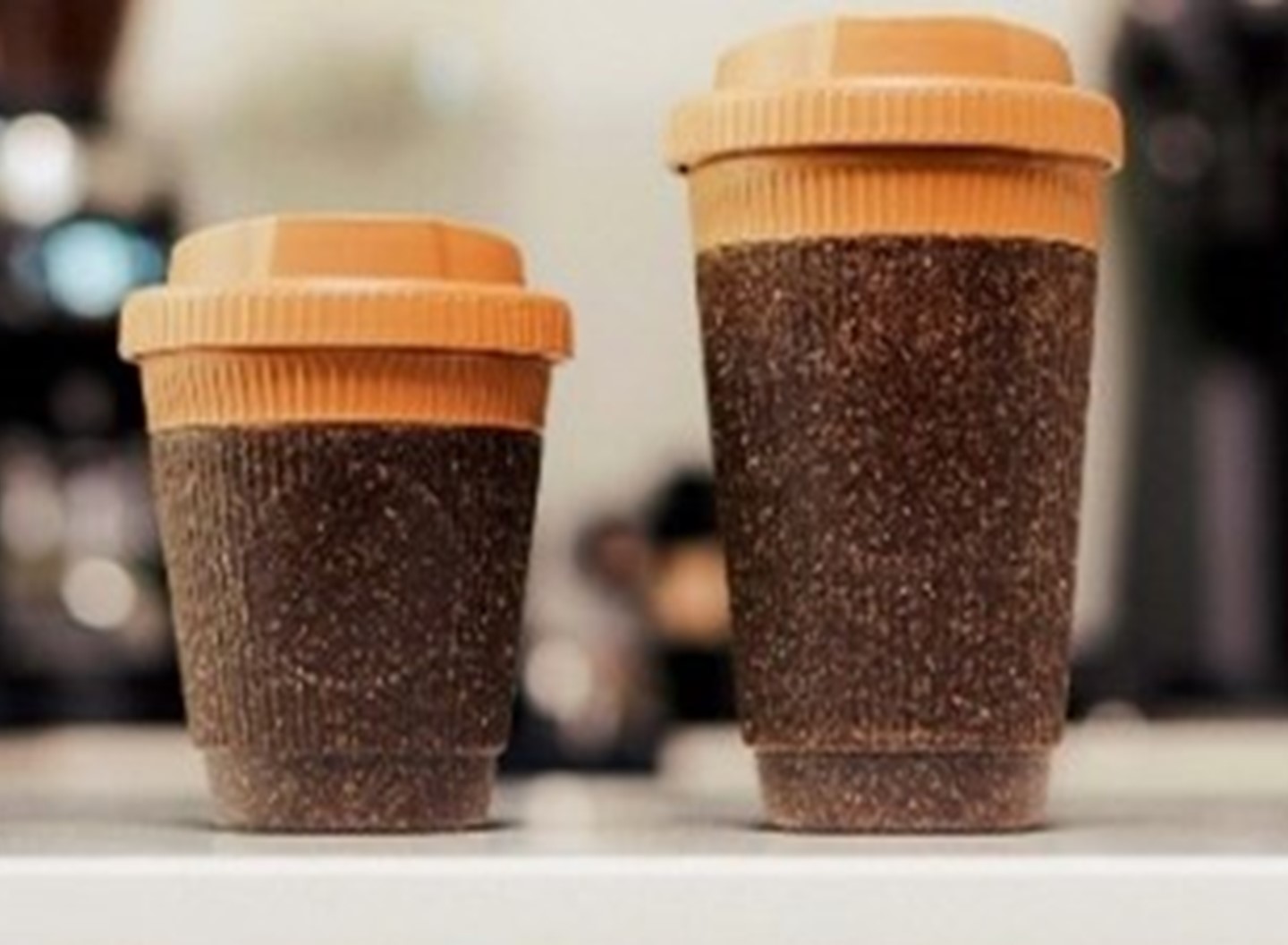
A Berlin-based company specializing in injection molding to create everyday products like coffee cups and accessories from spent coffee grounds.
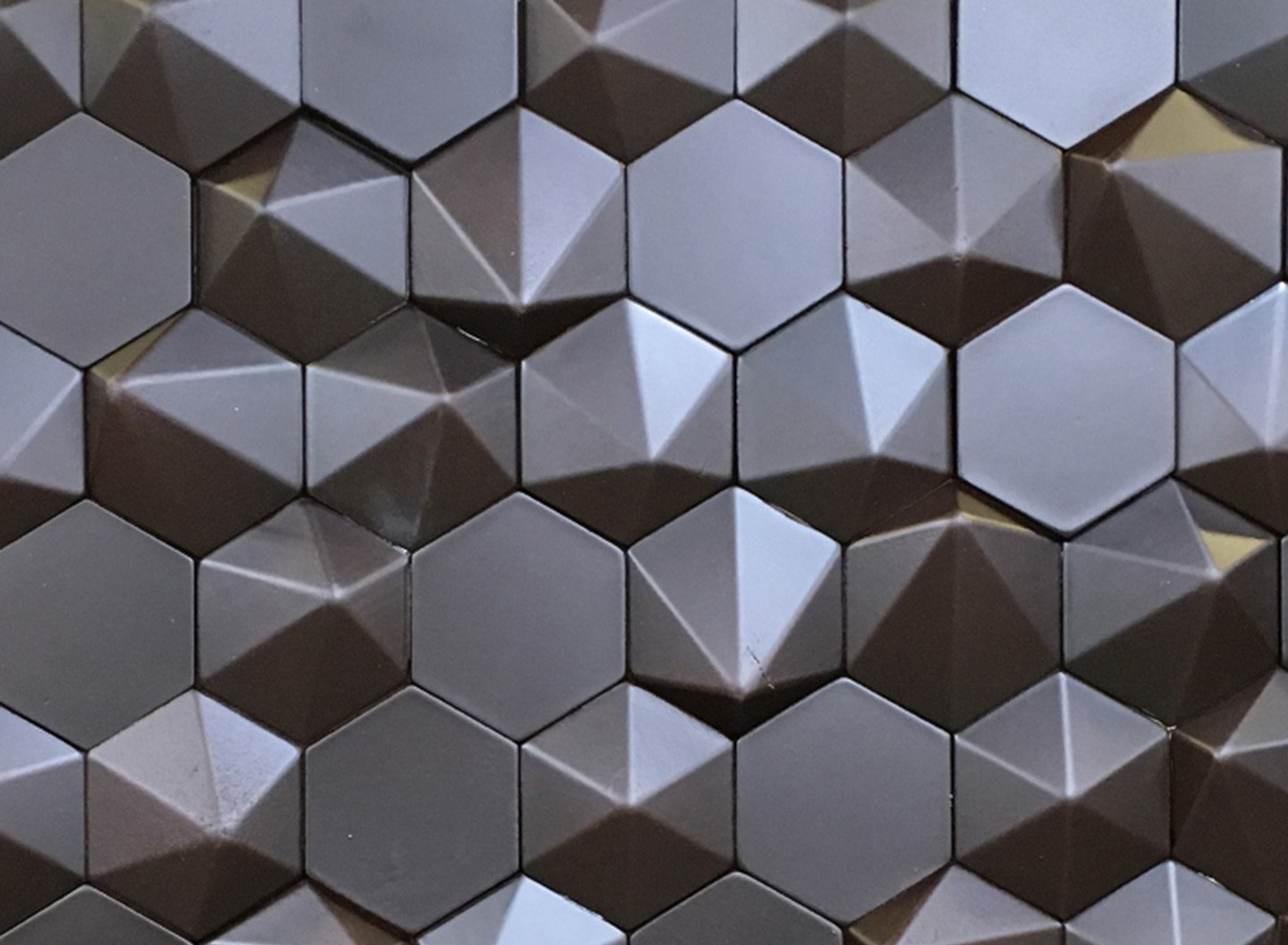
A company specialized on architectural and interior design solutions. It has expanded into three distinct branches and brands: Ceramista, For Arte, and Pladec. Pladec focuses on designing with wood and mixed materials, including spent coffee grounds.
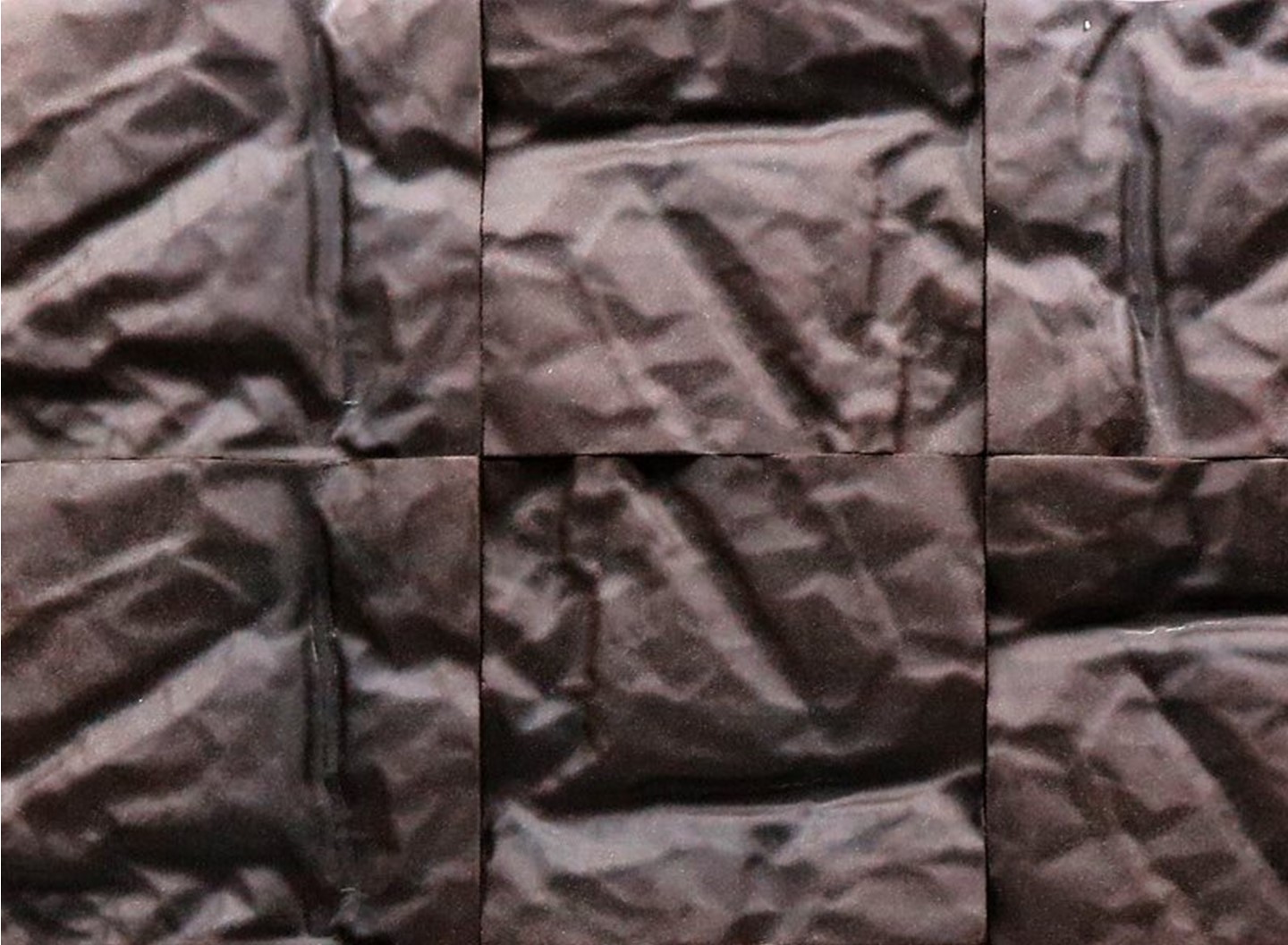
A Netherlands-based group producing panels from 95% coffee grounds for interior design applications.
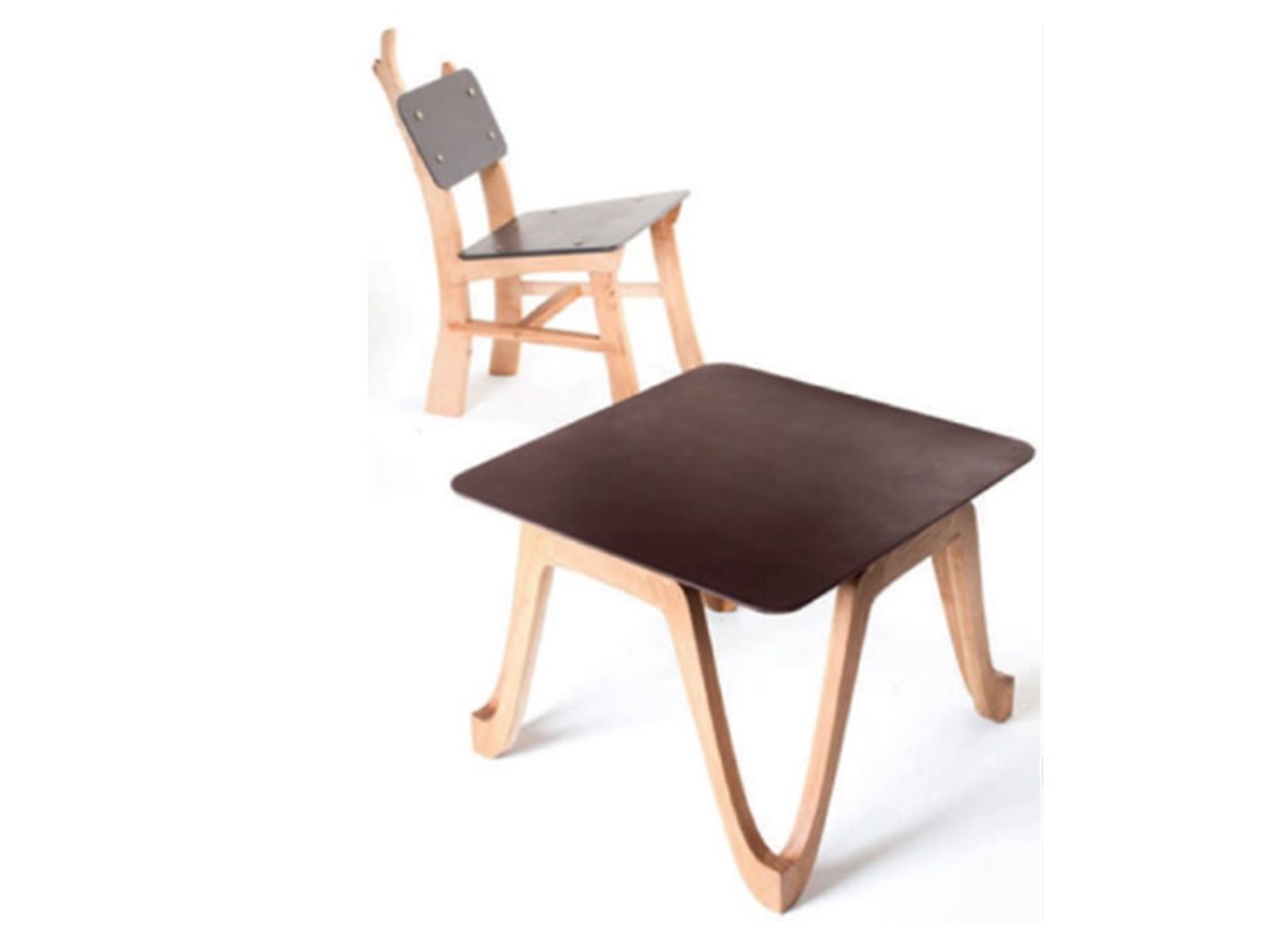
A nonprofit merging industrial design and green technologies to create furniture from spent coffee grounds and recycled plastics. Their signature material, Curface, combines coffee waste with surface functionality.
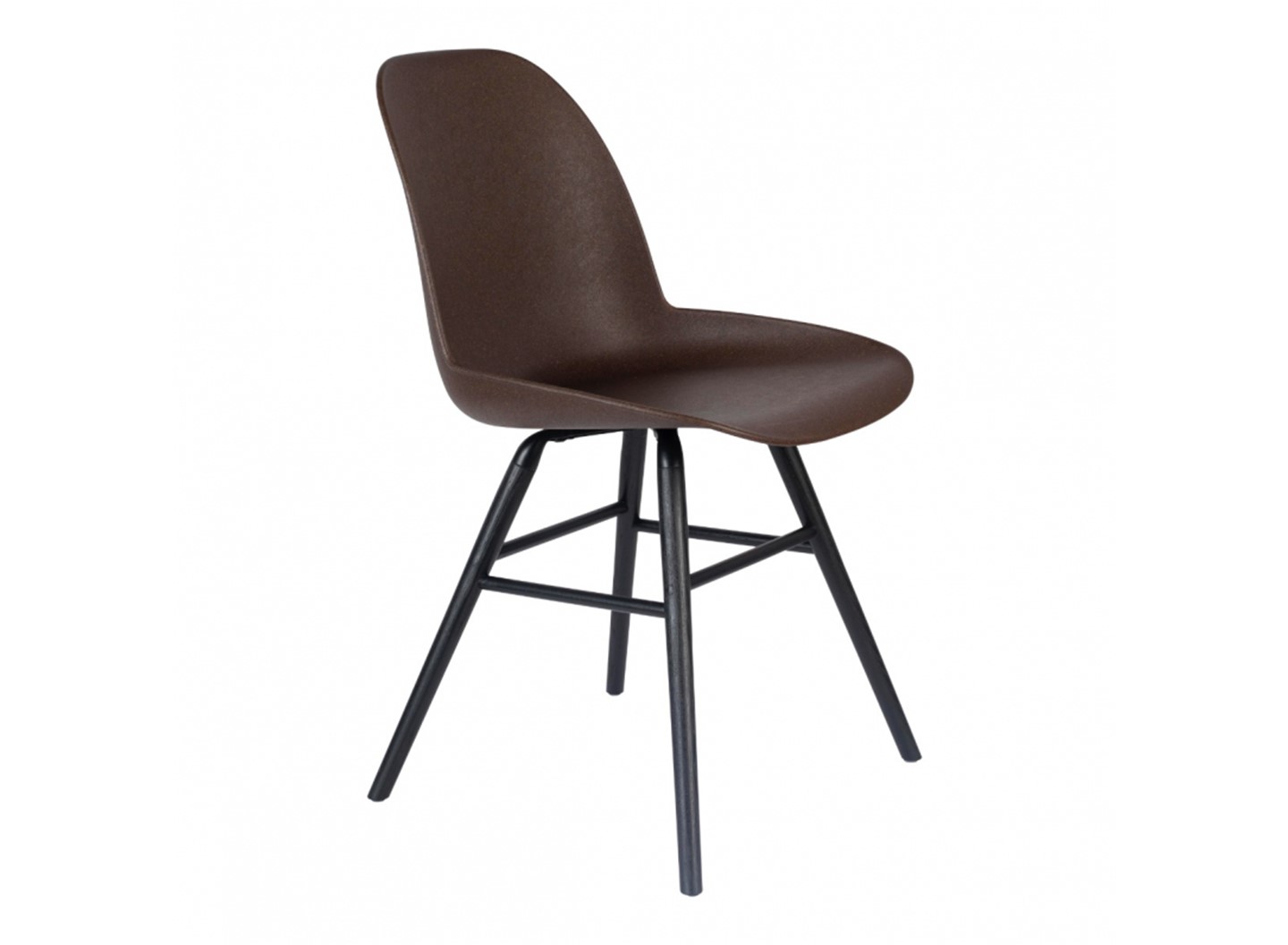
A Dutch furniture company integrating spent coffee grounds into the composition of their products, such as the Albert Kuip coffee chair.
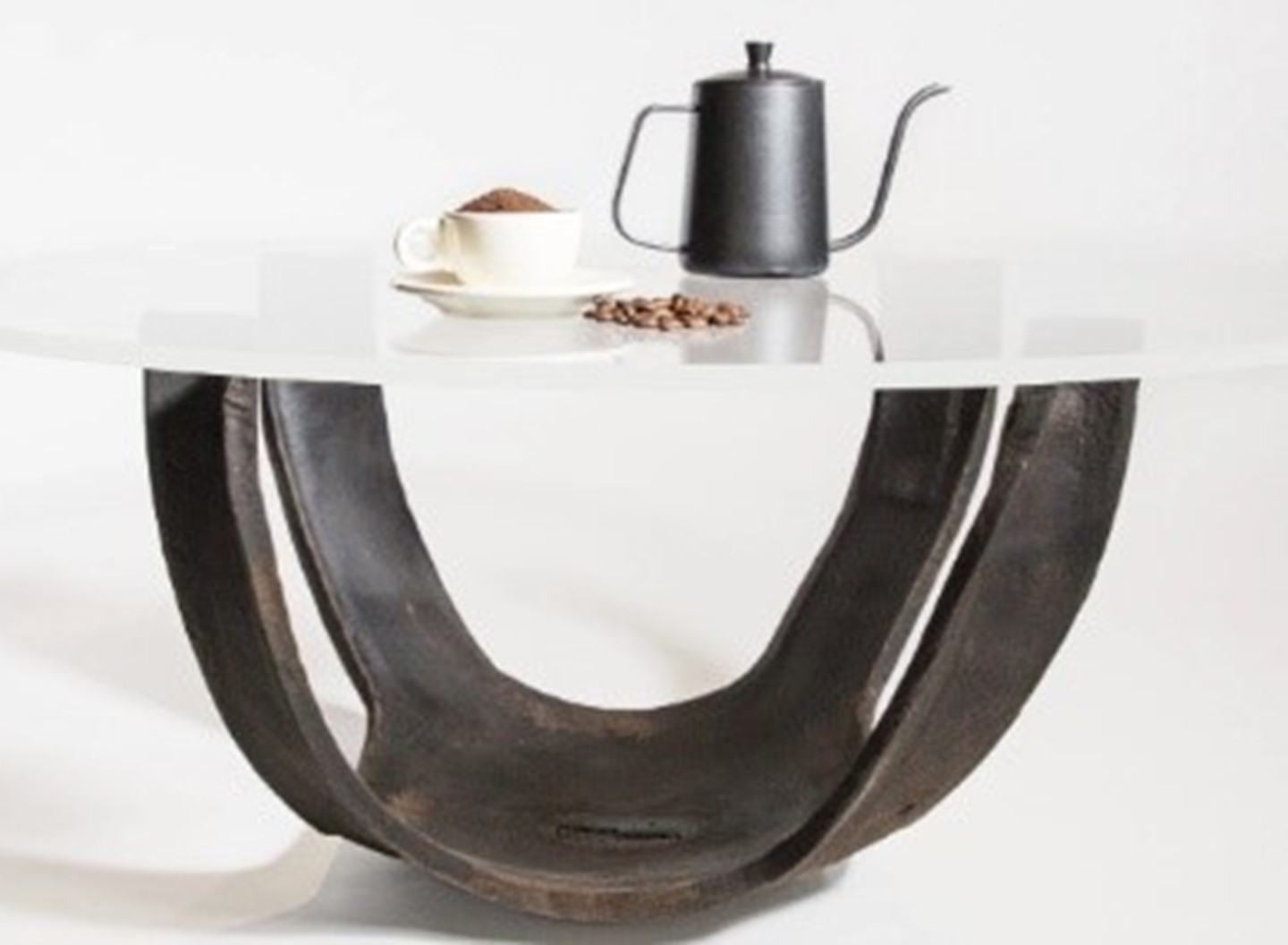
A design studio specializing in furniture made entirely from spent coffee grounds. The Re.Bean Coffee Project highlights material sustainability with 100% biodegradable furniture.
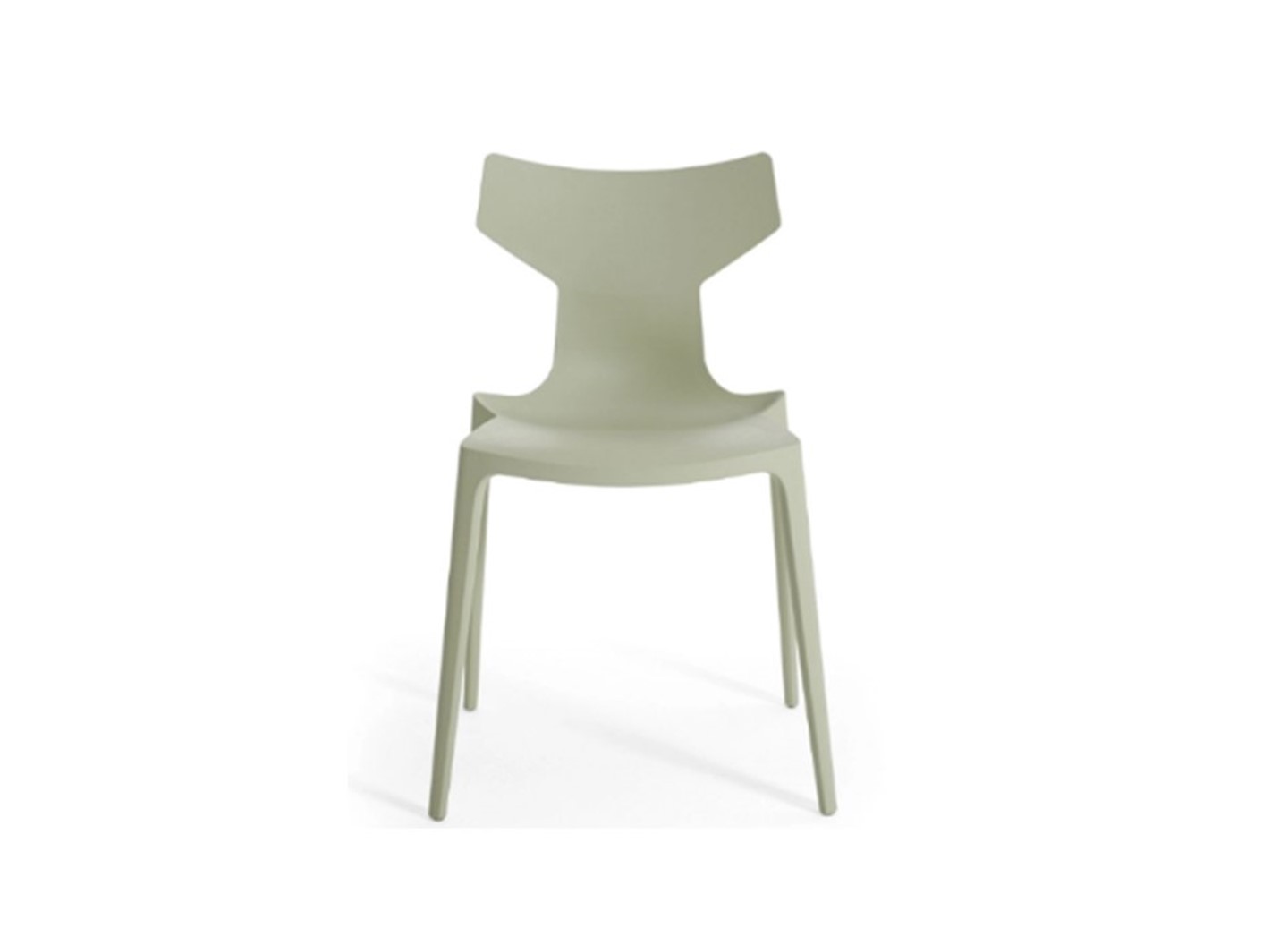
An Italian design company collaborating with Illy to create chairs using aluminium from recycled coffee capsules.
Lavazza
Carlo Ratti Associati and Italo Rota Building Office, Mapei
Italy/United Arab Emirates , 2021
( Find Out more )
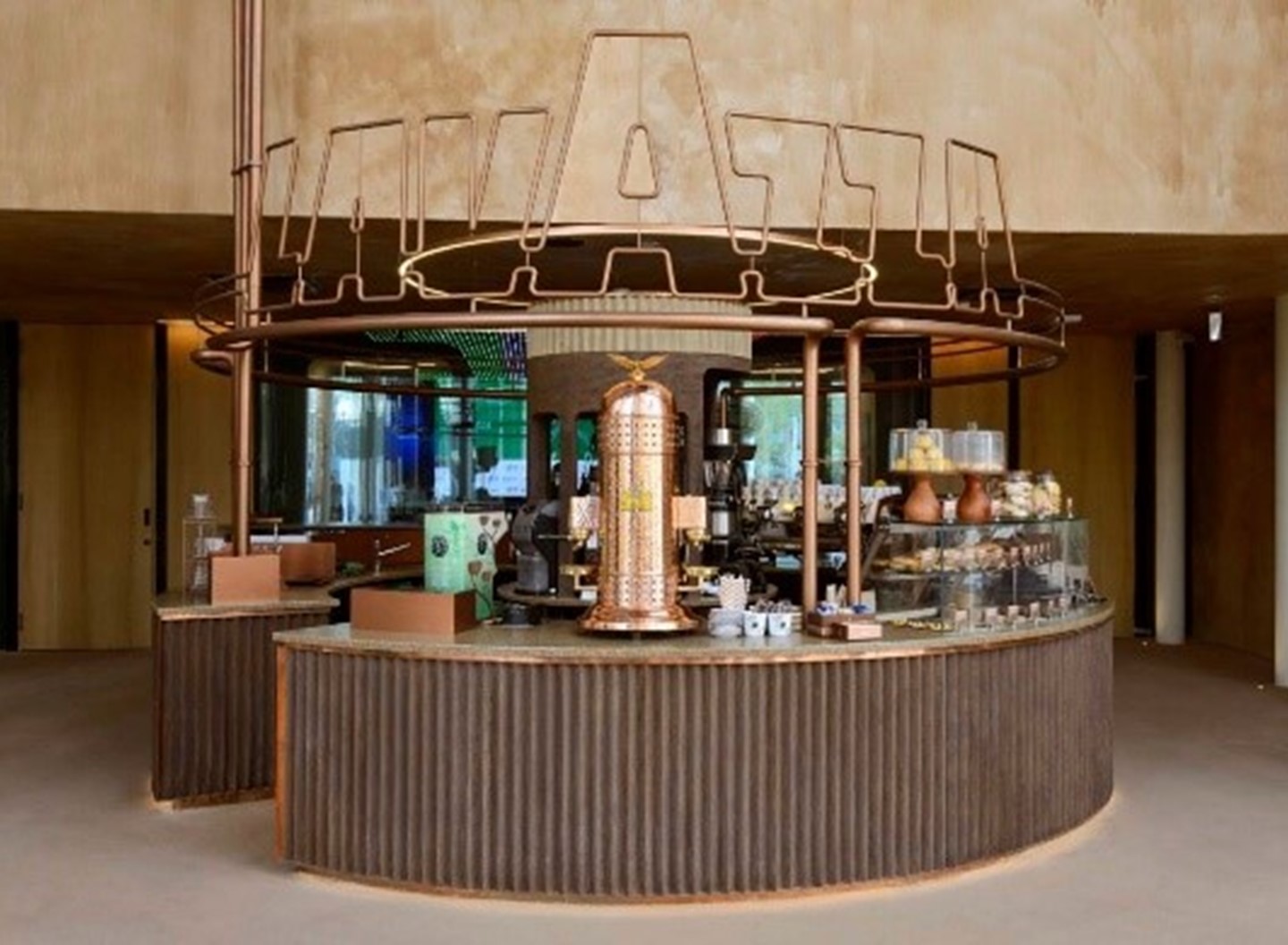
The Solar coffee garden project: inaugurated in the Expo Dubai 2020, the stand features included Moka-inspired water heating using solar energy and countertops made from coffee grounds and spoiled beans.