
NEW PRODUCT / SOLUTION
Food ingredients
APPLICATION SECTOR
Food and beverage
VALORIZED OUTPUT
Spent coffee grounds
TRL
Deploy
CONTEXT
Global
SDG


VALUE CHAIN AREA

Spent coffee grounds also hold potential as food ingredients, enhancing both texture and flavor in various culinary applications. Depending on the brewing method and type of beans used, coffee grounds can impart a mild coffee flavor to dishes while adding a pleasant crunch when incorporated into baked goods such as brownies and cookies. This innovative reuse not only diversifies flavor profiles but also supports waste reduction by repurposing a common byproduct of coffee consumption.
Beyond their sensory appeal, spent coffee grounds contain trace amounts of essential nutrients, including potassium and magnesium, which can contribute—albeit modestly—to the overall nutritional value of the food in which they are used. By integrating spent coffee grounds into culinary applications, the food industry can embrace circularity, transforming waste into valuable, functional ingredients.
Source:
- ICO 2024, Beyond Coffee: Towards a Circular Coffee Economy coffee-development-report-2022-23.pdf
DESCRIPTION


IMPACTS
While valorizing spent coffee grounds holds great potential, their naturally strong and bitter profile often presents a challenge. When using spent coffee grounds in cooking, their intensity and bitterness
must be carefully balanced.
In recent years, different extraction processes have been explored to produce food-grade oils and extracts from spent coffee grounds. However, legislative barriers and market challenges have limited large-scale production.
CHALLENGES AND LIMITS

EXAMPLES OF APPLICATION
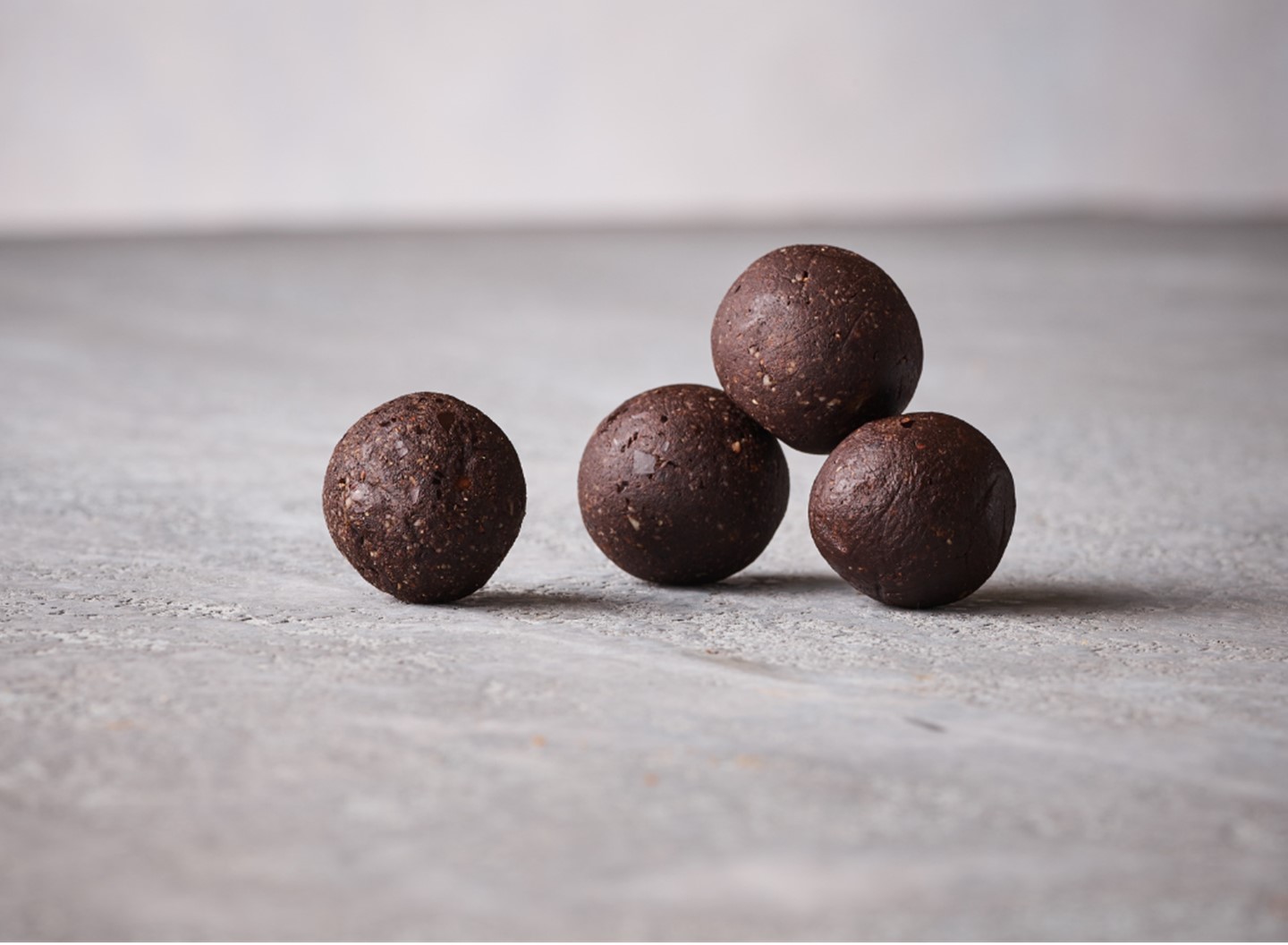
A Denmark-based company addressing food waste, with a primary focus on upcycling coffee by-products.

With operations in Columbia, the company works to unlock the potential of coffee by-products. Their efforts span crop health, animal care, and personal healthcare & cosmetics through sustainable biotechnology. In 2023, they inaugurated a new biorefinery in Copenhagen to support their global collaborations.

The Kawa Project upcycles spent coffee grounds into a natural cocoa extender that is 100% upcycled, free from heavy metals, and unrelated to deforestation. Through proprietary extraction and refinement, it produces a sustainable ingredient that enhances the flavor of baked goods, confectionery, ice cream, and beverages, offering a circular, low-impact alternative to conventional cocoa powder.
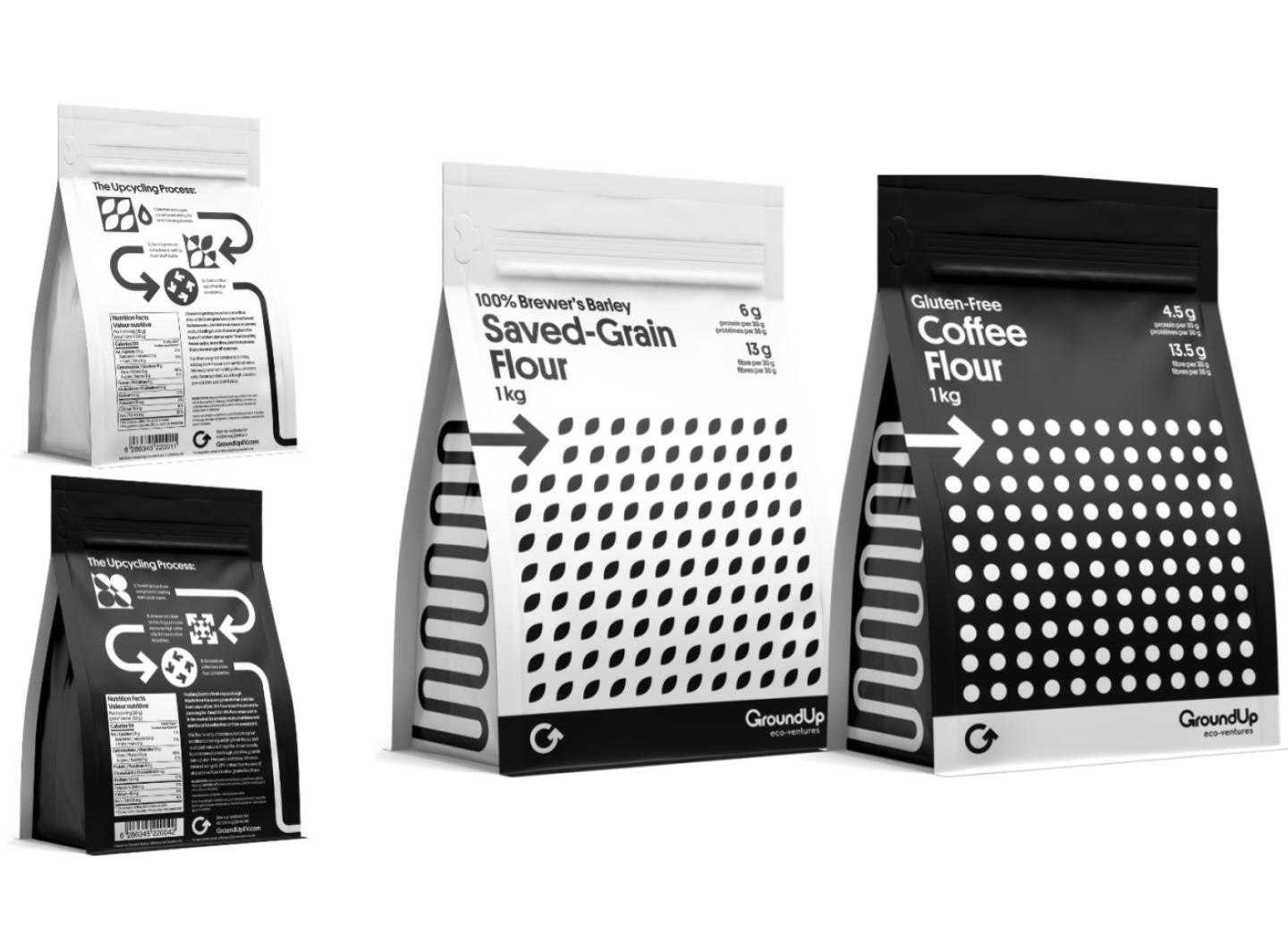
GroundUp uses spent coffee grounds and spent barley grain to upcycle them into new products for food consumption that are provided in easy to use food matrices.
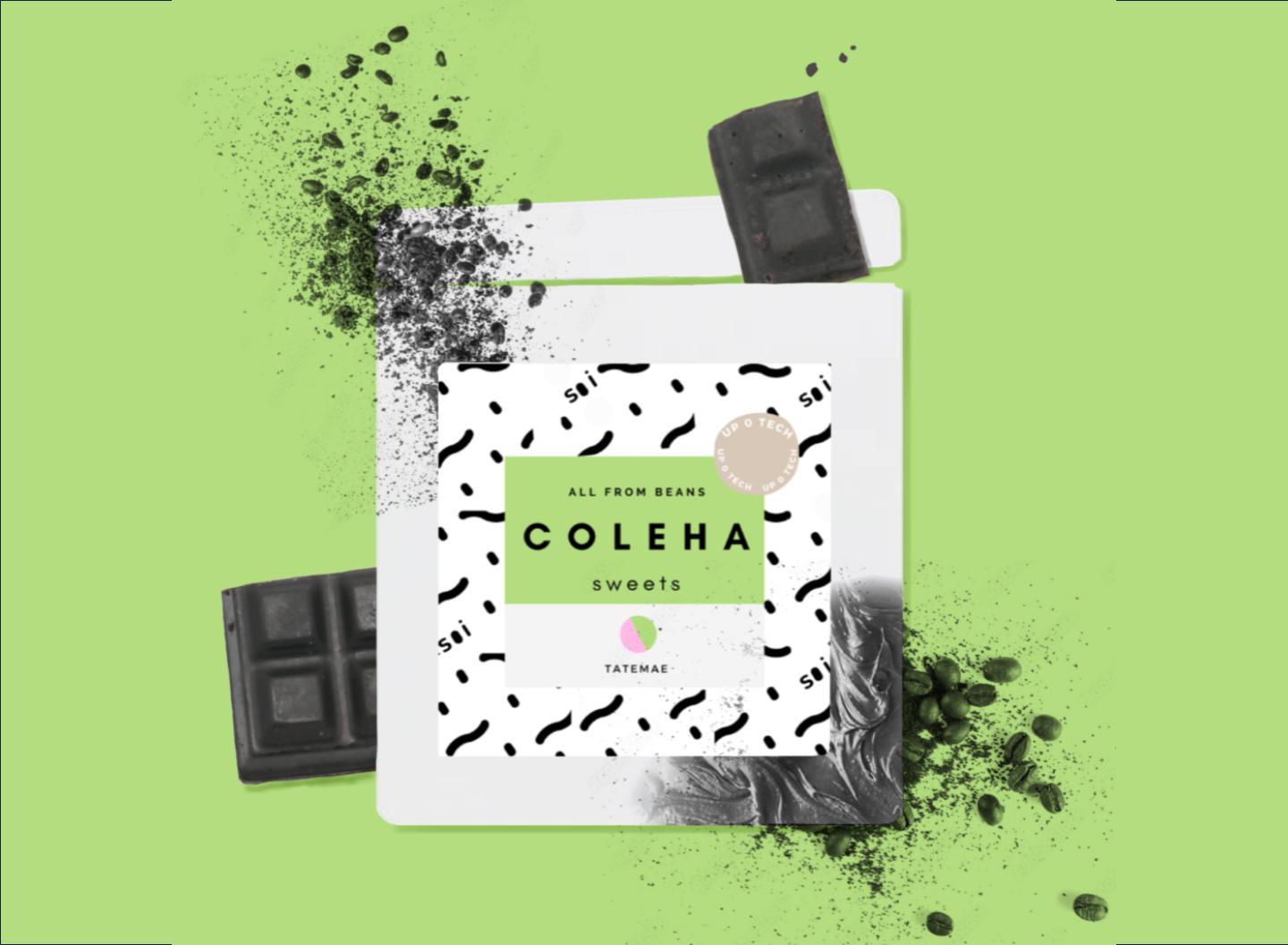
SOI is a japanese company which applies its proprietary UP 0 TECH fermentation-based technology to up-cycle spent coffee grounds into novel products such as COLEHA, a chocolate-bar style sweet made from fermented coffee residue.
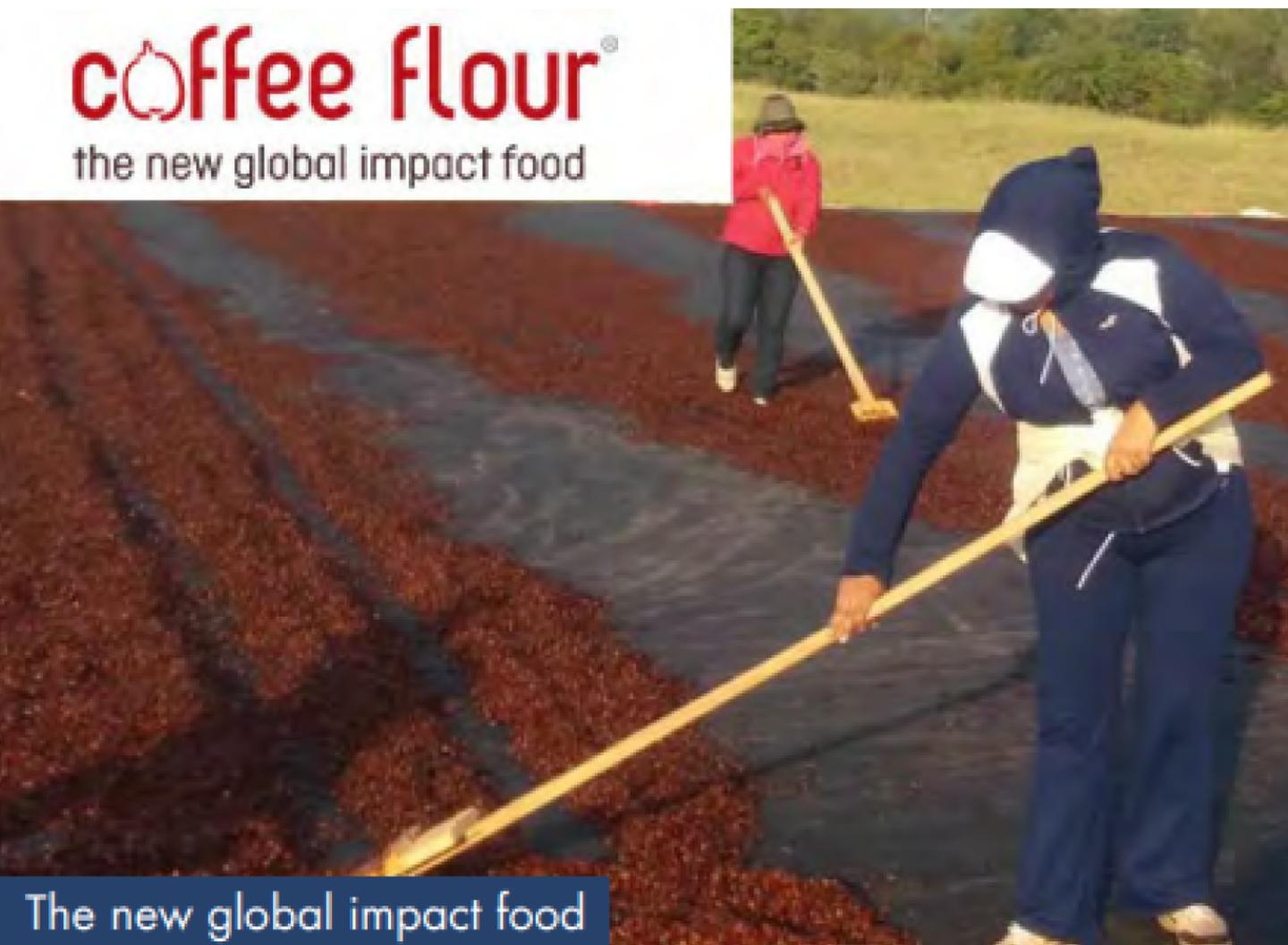
UNIDO ITPO Italy launched the International Award for Innovative Ideas and Technologies for Agribusiness in 2017 to promote circular and sustainable innovations in food systems. Among the winners was Coffee Flour (USA), which developed a nutrient-rich ingredient made from the pulp and skin of coffee cherries, by-products usually discarded during milling. The process transforms coffee waste into a functional flour used in bakery, chocolate, and beverage products, reducing emissions, generating rural employment, and enhancing nutrition while supporting a circular economy in coffee-producing countries.
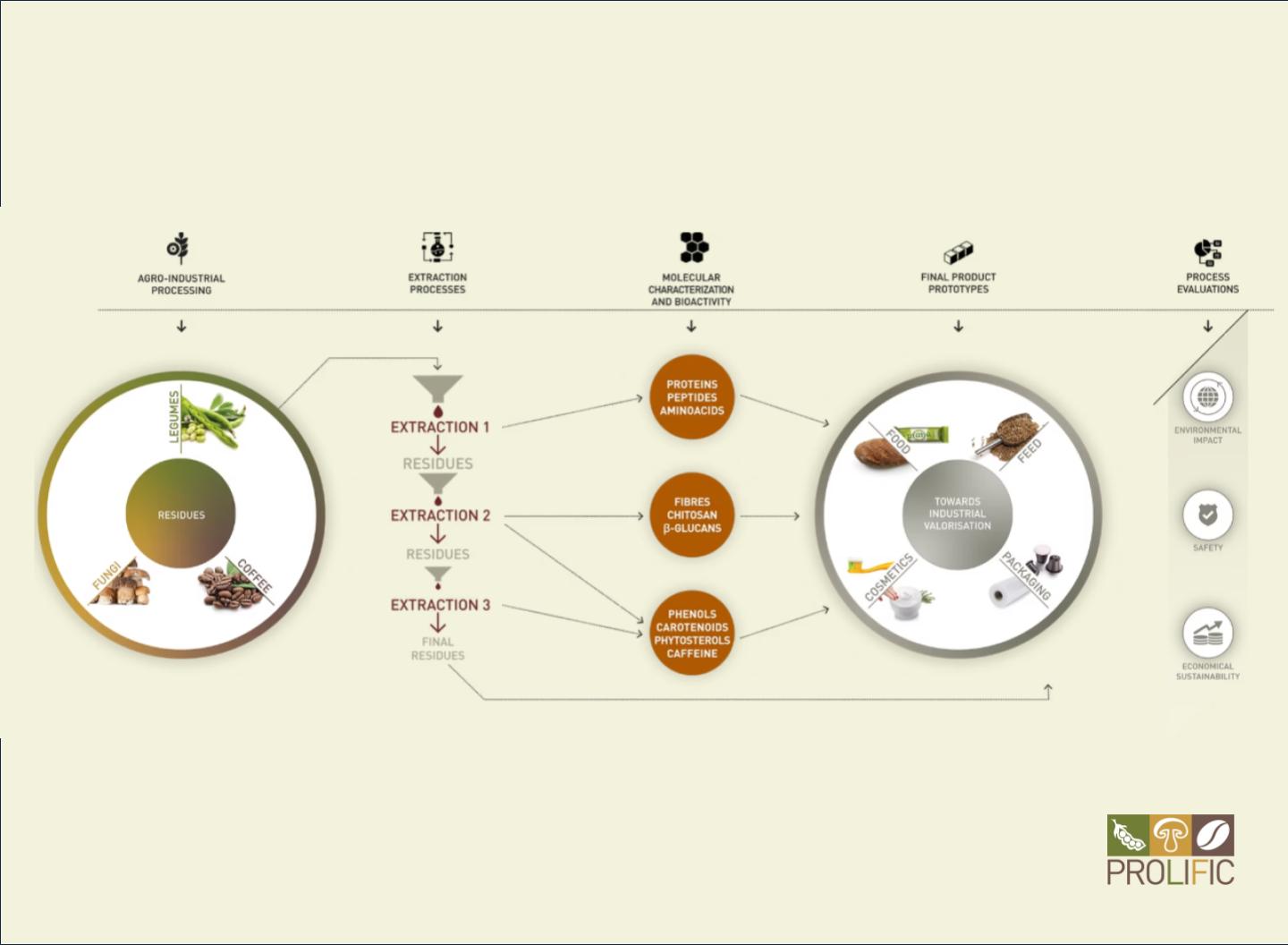
The PROLIFIC Project is an Eu Horizon 2020 financed initiative; their scope was to extract various functional molecules from fungi/peas and coffee to produce foods/animal feed/packagings and cosmetics.