
NEW PRODUCT / SOLUTION
Yarns for textiles, Vegan leather, Fabrics
APPLICATION SECTOR
Fashion
VALORIZED OUTPUT
Spent coffee grounds
TRL
Deploy
CONTEXT
Global
SDG

VALUE CHAIN AREA

The fashion industry is embracing spent coffee grounds as an innovative and sustainable resource, transforming them into high-performance textiles. These fabrics offer natural odor control, UV protection, and quick-drying properties, making them ideal for activewear and casual clothing. One of the most well-known examples is S.Café yarns, developed by Singtex in Taiwan, which incorporate micronized spent coffee grounds into polyester or nylon filaments through a patented process (Singtex, n.d.). This versatile material is now widely used in t-shirts, socks, footwear linings, and bed sheets. Additionally, spent coffee grounds are being utilized in eco-friendly dyeing methods, providing a sustainable alternative to synthetic dyes while adding warm, earthy tones to fabrics.
The process of repurposing coffee grounds into textiles involves several key steps. First, the grounds are finely milled and blended with recycled polyester or Nylon 6. This mixture is then melted and spun into durable textile fibers. Beyond traditional fabrics, this method has also been applied to sneaker production, where coffee grounds are combined with recycled plastic pellets to create robust polymer threads. Some manufacturers have even developed fabrics composed entirely of recycled coffee grounds and plastic, reinforcing sustainability within the fashion industry.
In addition to apparel, coffee-based textiles are gaining traction as a sustainable alternative to leather, reducing reliance on animal-derived materials. By incorporating spent coffee grounds into textile production, the fashion industry is advancing eco-friendly manufacturing solutions and fostering a more circular, waste-conscious approach to material innovation.
Source:
- ICO 2024, Beyond Coffee: Towards a Circular Coffee Economy coffee-development-report-2022-23.pdf
DESCRIPTION


IMPACTS


Removing the contaminants present in the spent coffee grounds – such as oils and other organic compounds - and transforming the grounds into usable yarn fibres would require specialized equipment and processing techniques. Also, it’s essential to ensure that the yarns meet quality standards in terms of strength, durability and comfort, together with the consistent colours and finishes.
CHALLENGES AND LIMITS

EXAMPLES OF APPLICATION
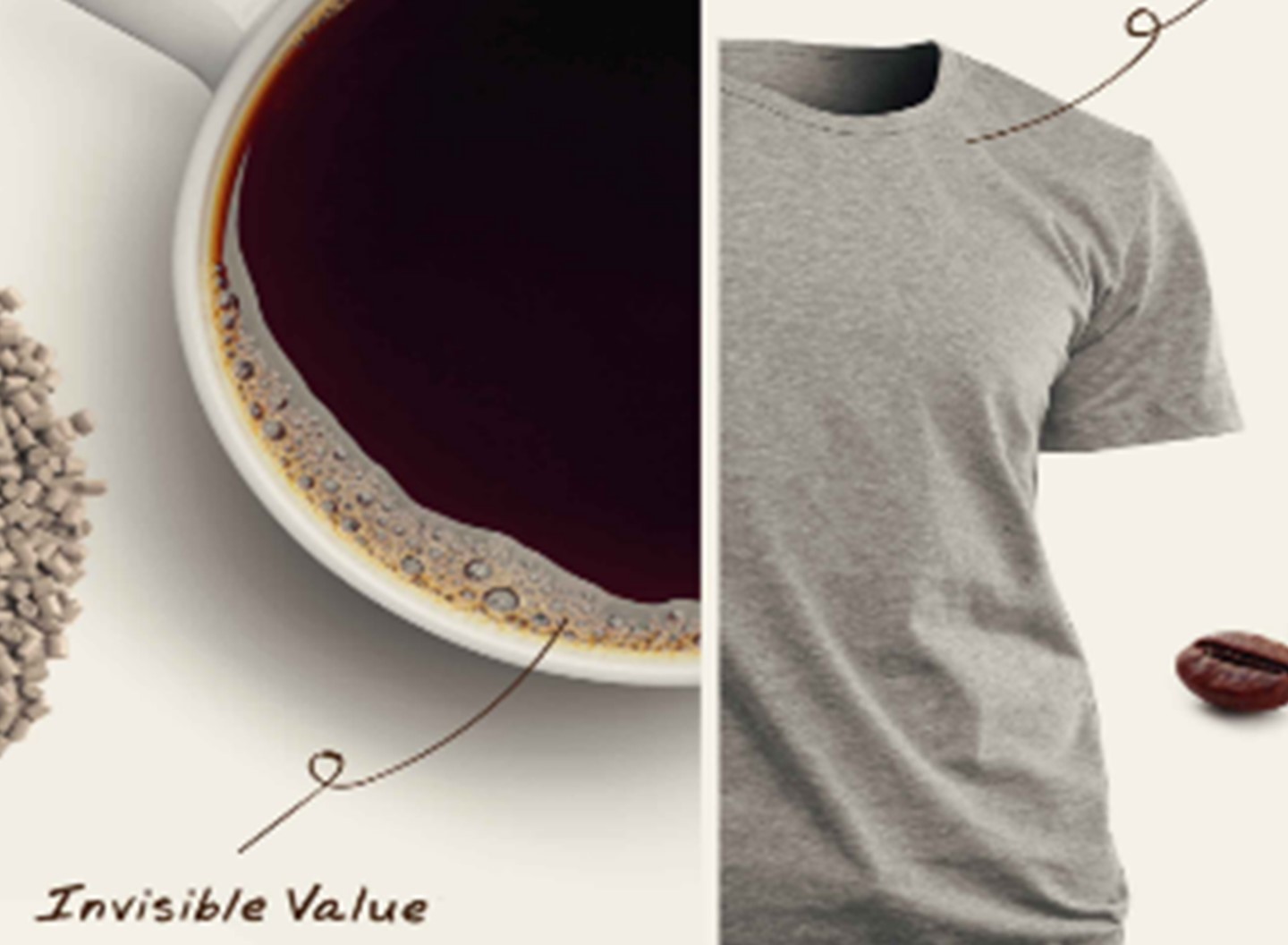
Company based in Taiwan and since 2009 is specialized in the production of sustainable coffee yarns. Technical textiles are produced for maximum performance within durability and odour control metrics.

A Startup born in Helsinki in 2017. It is the first Brand specialized in sneaker manufacturing starting from spent coffee and recycled plastic. Each sneaker uses spent coffee grounds deriving from 21 cups of coffee and 6 plastic bottles, to face the enormous waste stemming from coffee consumption in the region.
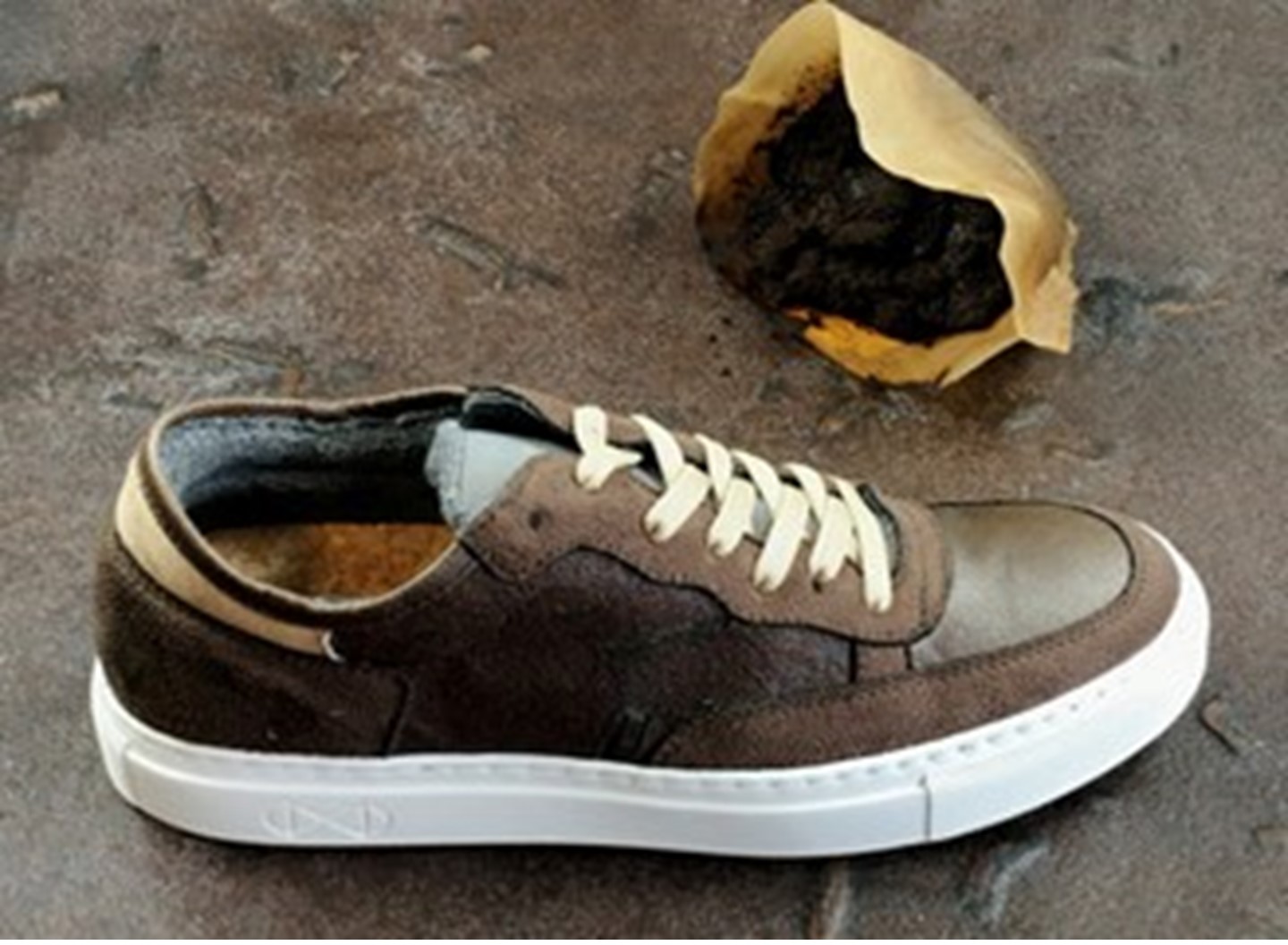
A Munich-based luxury footwear brand manufactures innovative vegan leather sneakers using natural raw materials, including spent coffee grounds.
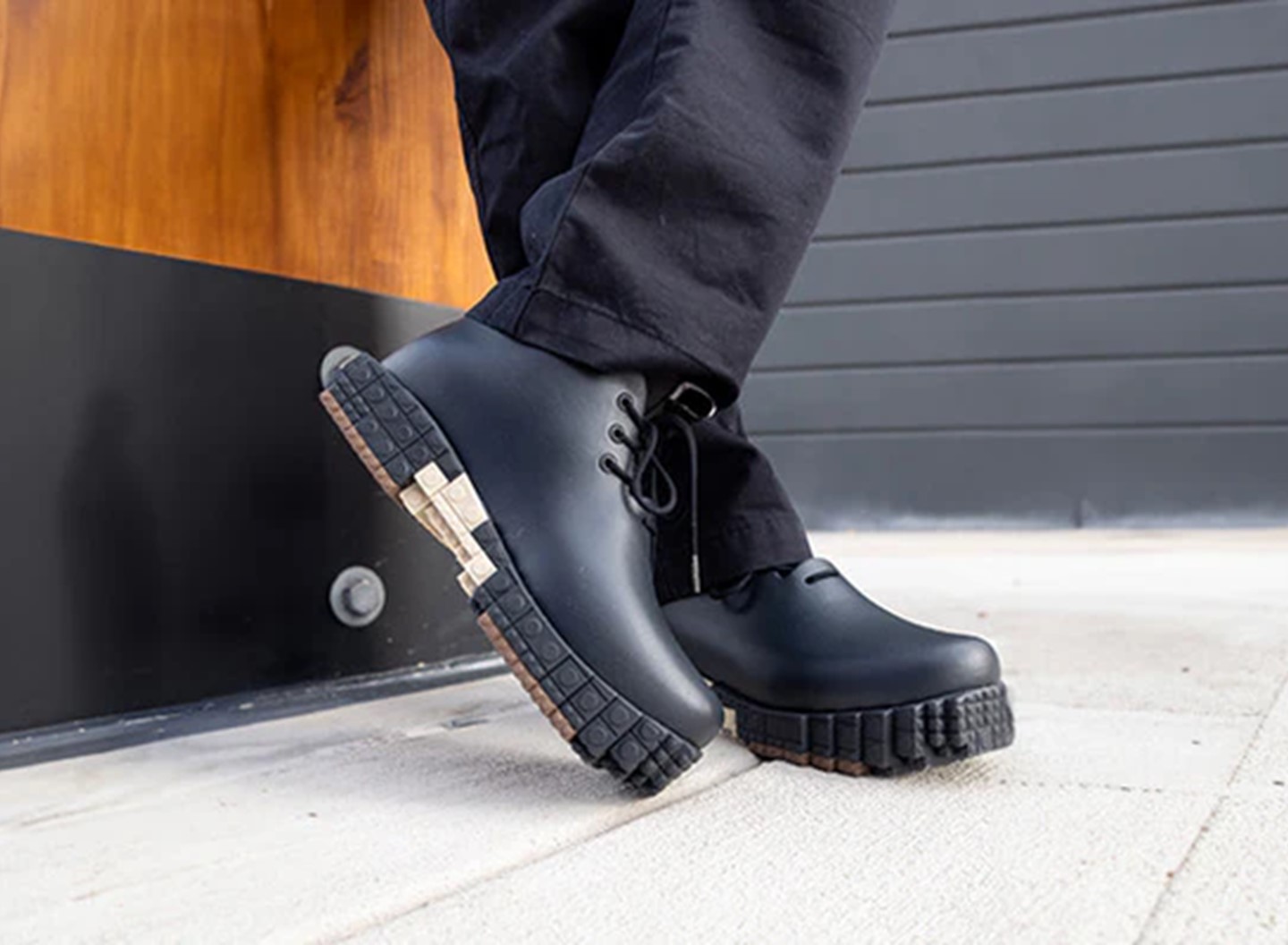
Cilu’s XpreSole® is the world’s first recycled coffee sole, combining spent coffee grounds with recycled plastics to create water-repellent shoes.
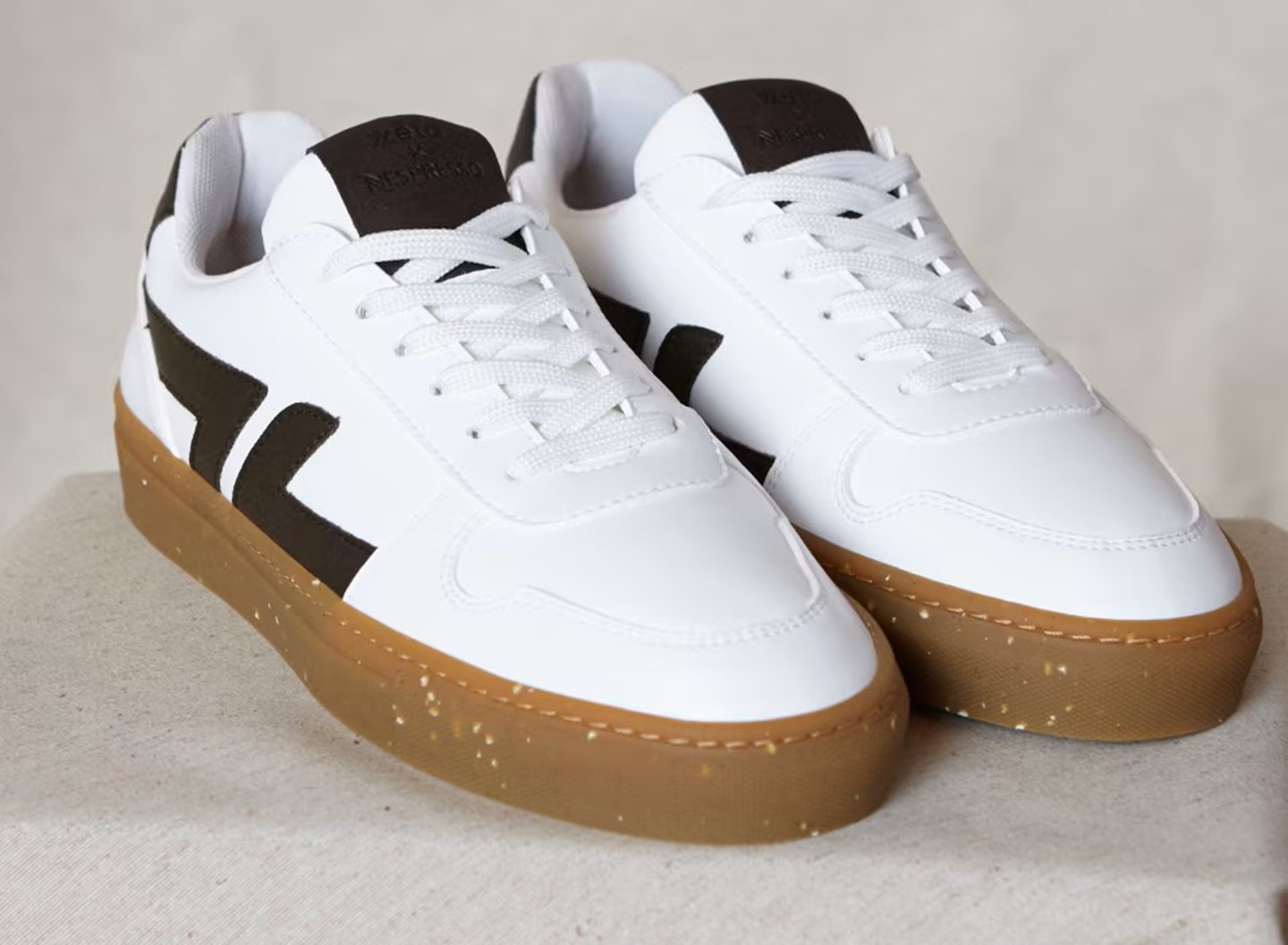
GROUND- Portugal-based sustainable footwear brand collaborates with Nespresso to produce circular shoes. Each pair incorporates the equivalent of 12 espressos.
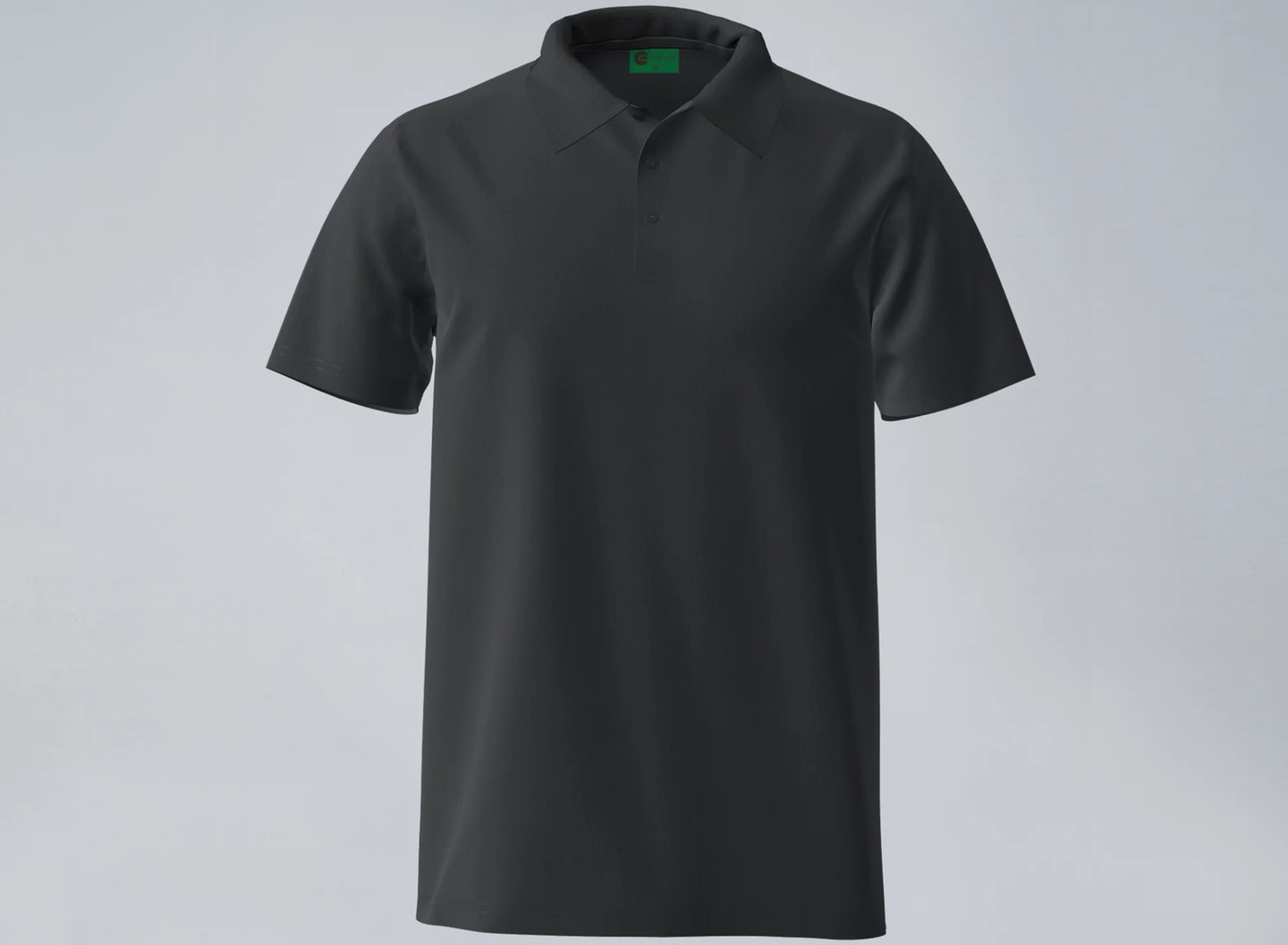
EeCoff’s corporate wear T-shirts are made with coffee yarn, offering natural features like dry cool, UV protection, odor control, and breathability.
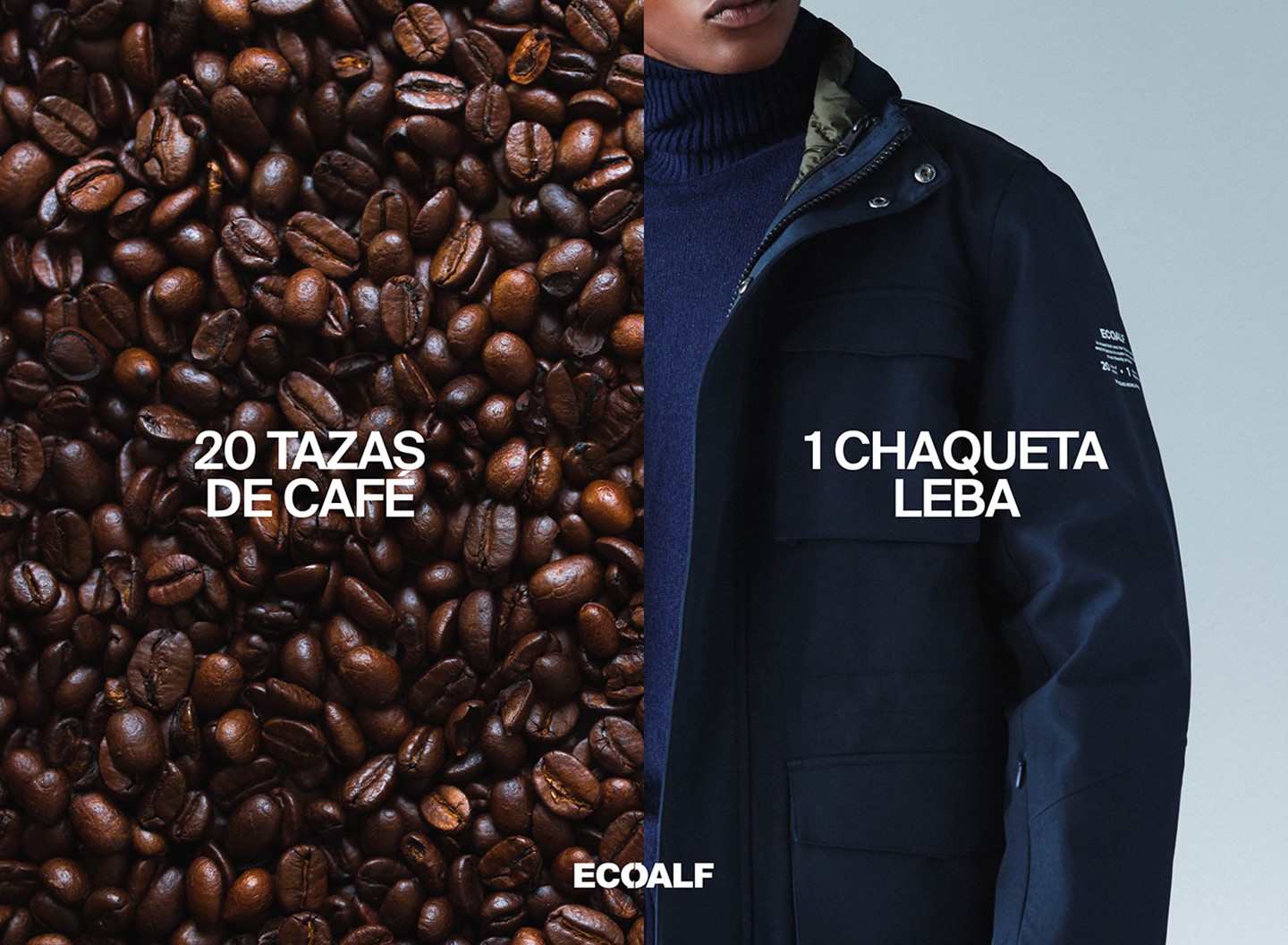
A Sustainable clothing brand committed to the upcycling of materials at the end of their first life cycle. ECOALF upcycles spent coffee grounds into sustainable yarns using S.Café performance technology.
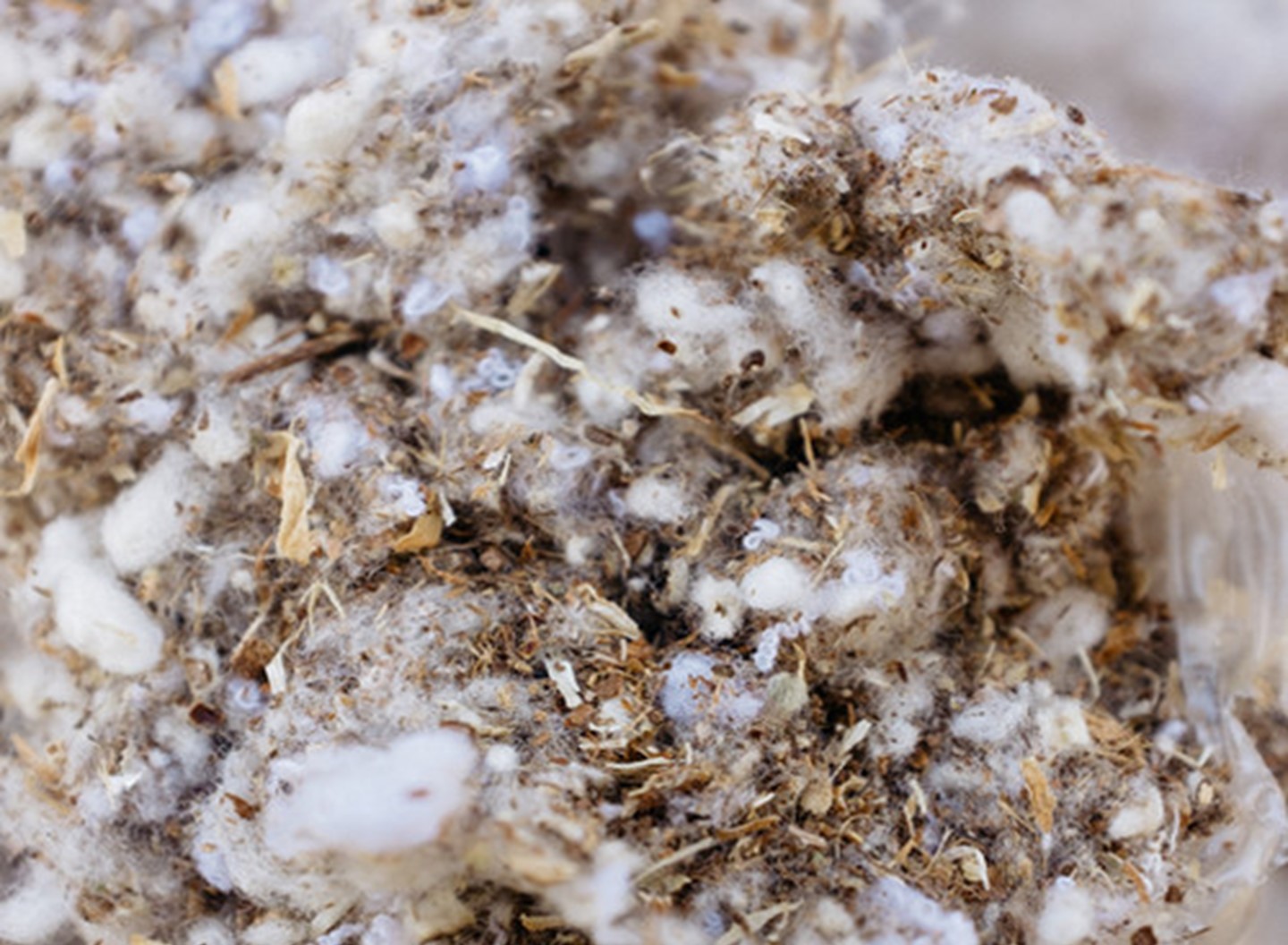
through the ‘NEW DENIM PROJECT’, Iris Textiles produces denim using natural resources in a chemical-free, dye-free process that minimizes water and energy use. The leftover cottonseed and lint from their upcycling process are passed on to Guatemalan coffee growers for compost, closing the sustainability loop.