
NEW PRODUCT / SOLUTION
Ethanol, biochar, and energy
APPLICATION SECTOR
Agriculture
VALORIZED OUTPUT
Prunings
TRL
Deploy
CONTEXT
Producing countries
SDG


VALUE CHAIN AREA

Coffee trunks and cut stems represent an underutilised biomass resource with significant potential. One notable characteristic of coffee cut-stems is their relatively low lignin content, which opens up promising avenues for their use in bioenergy and biochemical production. The high holocellulose fraction, comprising cellulose and hemicellulose, makes coffee biomass particularly suitable for conversion into fermentable sugars, which can be transformed into valuable bio-based products such as ethanol, hydrogen, furfural, nonane, and hydroxymethylfurfural. Chemical analysis reveals that coffee cut-stems comprise approximately 50.67% holocellulose, 28.49% lignin, 14.18% extractives, and 1.27% ash. This composition not only favours biofuel production. From a physical standpoint, coffee wood has an average basic density of around 598.7 kg/m³, placing it well within the density range suitable for charcoal production (typically above 500 kg/m³). This density is comparable to that of commonly used energy woods such as Eucalyptus species (Eucalyptus pellita, Eucalyptus urophylla, and Eucalyptus grandis), which have densities between 436 and 668 kg/m³ and are widely utilised for firewood and charcoal production.
An integrated approach for valorising coffee stalks from the renovation process involves producing bioethanol, electricity, and low-pressure steam. The bioethanol production includes pretreatment with dilute sulfuric acid, enzymatic hydrolysis, fermentation with Zymomonas mobilis, and purification steps, resulting in ethanol with 99.6% purity and a relatively low greenhouse gas (GHG) emission of 0.0784 kg CO₂ eq. per MJ of ethanol. For energy production, chipped coffee stalks undergo gasification to produce syngas, which powers a gas turbine and steam generator. This cogeneration process offers environmental benefits, with an estimated negative GHG impact of -0.0054 kg CO₂ eq. per MJ of electricity produced.
Overall, the thermal valorisation of coffee lignocellulosic biomass, combined with integrated bioethanol and cogeneration systems, presents a sustainable pathway for renewable ethanol, biochar, energy production, and supports circular economy principles.
DESCRIPTION


IMPACTS



Using coffee biomass trunks and cut-stems to produce ethanol, biochar, and energy is a nice idea, albeit with certain reservations. One of the most significant issues is the material's complex composition, while having a high sugar content, the lignin and other substances can make it challenging to break down efficiently. Additionally, collecting and transporting coffee residues can be costly and complicated, especially in rural areas. In addition to that, it is not always simple to upscale these thermal processes and integrate them into existing systems, and it requires a huge investment.
Finally, ensuring the quality and consistency of end products, i.e., biochar or ethanol, can be tricky as it is a function of raw material and processing conditions. Despite these challenges, coffee biomass can become a valuable sustainable energy source and chemicals through appropriate technology and management.
CHALLENGES AND LIMITS

EXAMPLES OF APPLICATION
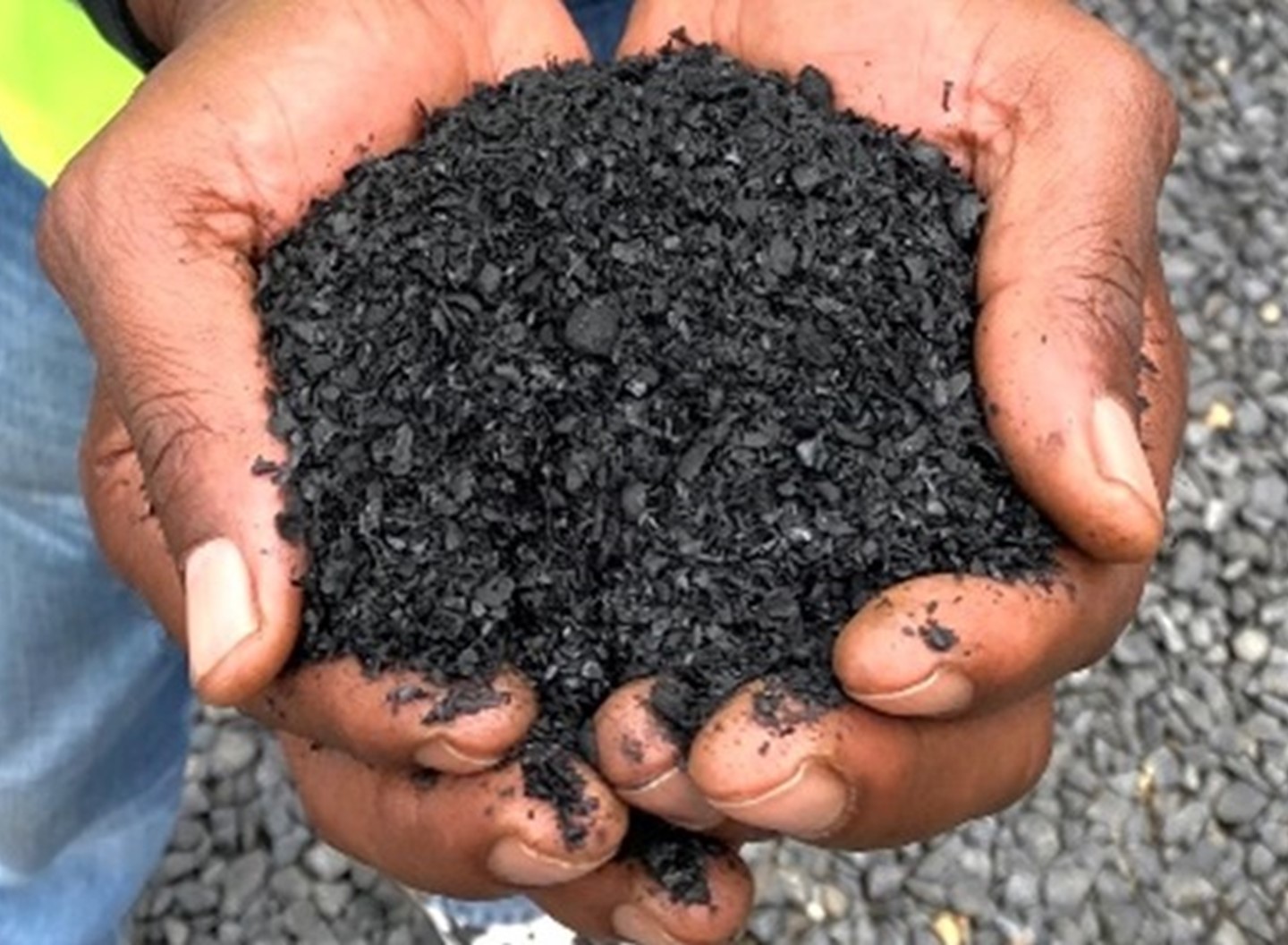
Cotierra is a Swiss-Colombian startup implementing on-site biochar production directly on coffee farms. Their mobile pyrolysis units convert coffee farm residues into biochar, which is applied to soils to enhance fertility, sequester carbon, and improve climate resilience. The system integrates IoT-based monitoring to verify carbon removal and generate traceable, permanent carbon credits.