
NEW PRODUCT / SOLUTION
Flexibles packaging recycling
APPLICATION SECTOR
Recycled Plastic for various application
VALORIZED OUTPUT
Packaging and coffee capsules
TRL
Deploy
CONTEXT
Global
SDG


VALUE CHAIN AREA

Packaging plays a critical role in product protection, transportation, and communication. At the same time, reducing its environmental impact through improved recyclability and resource efficiency has become a growing priority.
In the case of coffee packaging, flexible materials are widely used due to their ability to preserve freshness and extend shelf life. However, these materials often consist of multilayer structures with barriers to oxygen and water vapor, making them more difficult to recycle than monolayer flexible packaging used in other applications. Despite these challenges, flexible packaging offers advantages over rigid alternatives, including reduced material usage and a lower carbon footprint, making it an attractive option from a circular economy perspective.
While recycling flexible packaging is challenging due to its diverse material composition, advancements in recycling technologies and specialized recycling streams have improved its feasibility. Once collected, flexible packaging undergoes sorting—through manual, automated, or hybrid methods—to separate materials (PET, PP, PE, etc.) and remove contaminants. The sorted materials are then cleaned, shredded, and melted for reuse, either through extrusion for new films or injection molding for plastic components.
To further enhance recyclability, eco-design strategies focus on reducing material usage while improving performance. Key approaches include minimizing inks, adhesives, coatings, and barriers that interfere with recycling and ensuring compatibility between packaging components to improve the quality of secondary raw materials. Prioritizing mono-material packaging or reducing the number of different materials used also facilitates recycling through common mechanical and chemical processes.
Among the main guidelines that help packaging manufacturers in producing recycling-friendly solutions, we can mention:
DESCRIPTION


IMPACTS
The complex, multilayer composition of flexible packaging makes separating materials difficult using conventional recycling methods. Packaging contaminated with coffee residues may also be rejected by recycling facilities or result in lower-quality recycled products, limiting reuse potential. Additionally, the availability and effectiveness of recycling infrastructure vary widely across regions, further complicating large-scale recycling efforts.
Logistics and economic factors also present significant hurdles. Collecting and transporting used coffee packaging to recycling facilities can be expensive, particularly where specialized infrastructure is lacking. Furthermore, fluctuations in market demand for recycled flexible packaging materials impact the financial viability of recycling programs, making it essential to develop stable end markets for these materials. Selecting packaging solutions that align with established recycling systems in key markets is crucial for long-term sustainability.
CHALLENGES AND LIMITS

EXAMPLES OF APPLICATION
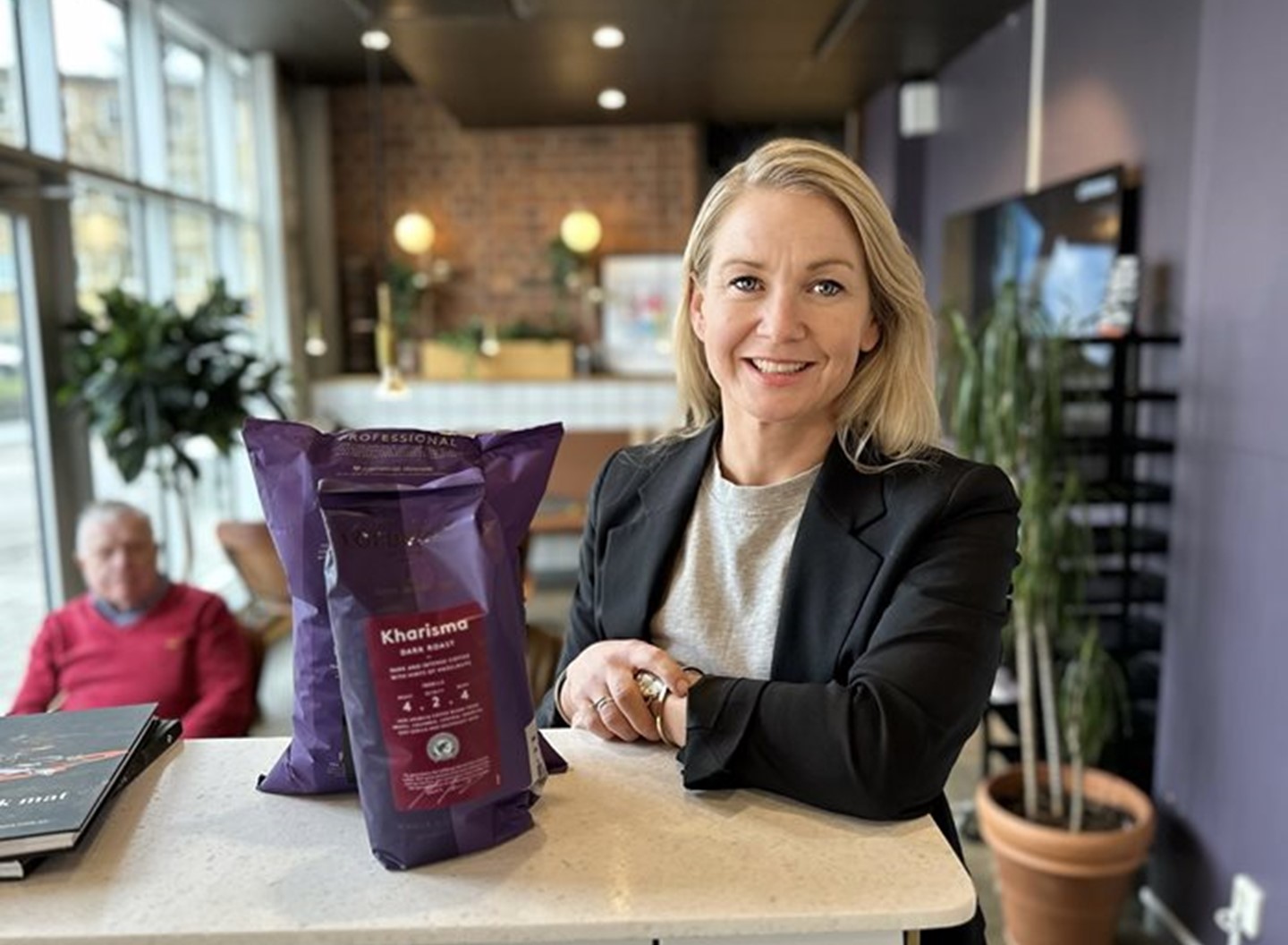
Löfbergs has unveiled a ‘world-first’ mono-laminate coffee packaging, which can be fully-recycled instead of being disposed of in landfill or incinerated. The Swedish coffee roaster said the climate impact of the new packaging, which contains only one type of plastic, is 55% lower compared to previous Löfbergs coffee packages, which are made of multilayer films — several layers with different types of plastic.
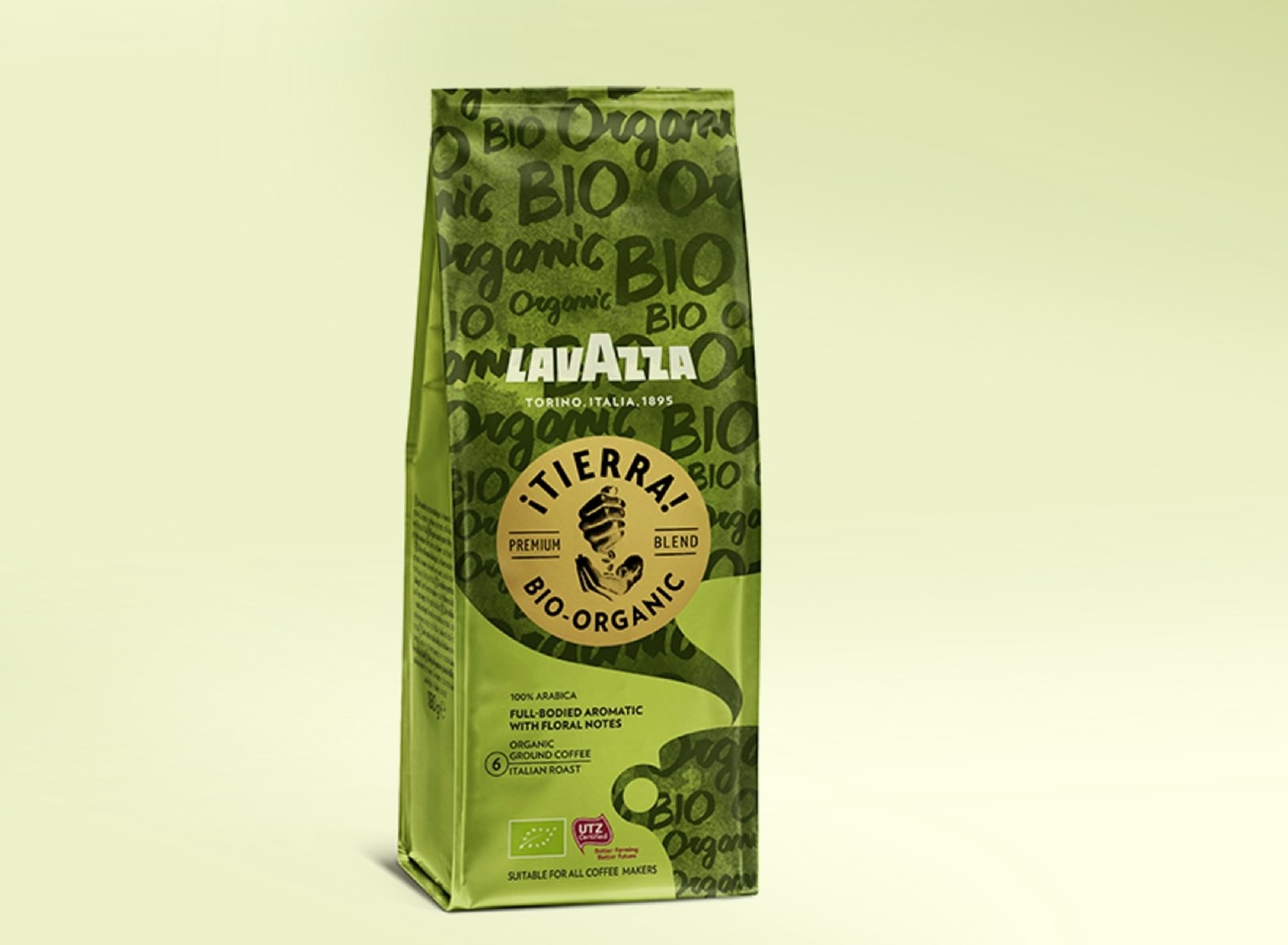
The Sustainable Packaging Roadmap is a measurable path undertaken in 2020 to help reduce the Group’s environmental footprint and make its entire packaging portfolio recyclable, reusable or compostable by 2025. Based on the Group’s sustainable-by-design concept, the roadmap is founded on the following pillars: i) reduction of CO2 eq emissions with the packaging emission category; ii) reduction of the ratio of the packaging weight to the product weight; iii) material circularity index iv) recyclability (ratio of recyclable to total packaging), consisting of 100% reusable, recyclable and compostable packaging.

In 2022 , San Marco launched a recyclable coffee packaging made from polyethylene without the aluminum foil. With its new packaging, San Marco anticipates French government requirements, which aim for 100% recycled plastic and household waste by 2025.