
NEW PRODUCT / SOLUTION
Regenerative agriculture
APPLICATION SECTOR
Agriculture
VALORIZED OUTPUT
Prunings
TRL
Deploy
CONTEXT
Producing countries
SDG


VALUE CHAIN AREA

Regenerative agriculture is a holistic, outcome-driven approach that not only produces agricultural products but also restores soil health, biodiversity, climate resilience, water resources, and farming livelihoods at both the farm and landscape levels. It seeks to enhance carbon sequestration, lower greenhouse gas (GHG) emissions, improve soil water retention, reduce pesticide risks, optimize nutrient-use efficiency, and strengthen rural communities (One Planet Business for Biodiversity, OP2B).
A core principle of regenerative agriculture is diversification—integrating cover crops to enrich biodiversity, rotating crops to maintain soil fertility, and incorporating livestock to enhance nutrient cycling and provide additional income. These strategies align with circular economy principles, ensuring that farming replenishes rather than depletes natural resources. Unlike conventional farming, which focuses on minimizing harm, regenerative practices actively rebuild ecosystems, increase resilience, and improve long-term agricultural viability (Dantas et al., 2021).
In coffee farming, regenerative methods prioritize restoring topsoil, promoting biodiversity, optimizing water cycles, and enhancing climate resilience. Crop rotation, for instance, alternates nitrogen-fixing crops such as legumes with nitrogen-demanding crops like corn, reducing reliance on synthetic fertilizers and maintaining soil health for sustainable coffee production.
Regeneration, a concept rooted in biology, describes how cells, tissues, or organisms recover from damage, ultimately contributing to ecosystem conservation. In agriculture, this principle translates into restoring natural capital—replacing what is harvested or diminished—ensuring the continued productivity of farmland.
Source:
- Dantas, J., Motta, I. O., Vidal, L. A., Nascimento, E. F. M. B., Bilio, J., Pupe, J. M., Veiga, A., Carvalho, C., Lopes, R. B., Rocha, T. L., Silva, L. P., Pujol-Luz, J. R., & Albuquerque, É. V. S. (2021). A comprehensive review of the coffee leaf miner Leucoptera coffeella (Lepidoptera: Lyonetiidae)—A major pest for the coffee crop in Brazil and other neotropical countries. Insects, 12(12), 1130. 10.3390/insects12121130
- ICO 2024, Beyond Coffee: Towards a Circular Coffee Economy coffee-development-report-2022-23.pdf
- Illy, A., & Vineis, P. (2024). No sustainability without regeneration: A manifesto from an entrepreneurial viewpoint. Anthropological Sciences. htps://doi.org/10.1007/s44177-024-00080-w
DESCRIPTION


IMPACTS



Climate and geographical factors can impact the efficacy of regenerative agriculture methods. In regions with extreme climate variations or scarce water resources, certain practices may be difficult to implement. Moreover, the initial costs of training, adopting new techniques, and acquiring equipment can present financial barriers for small-scale farmsers, limiting their ability to fully adopt regenerative agriculture approaches.
CHALLENGES AND LIMITS

EXAMPLES OF APPLICATION
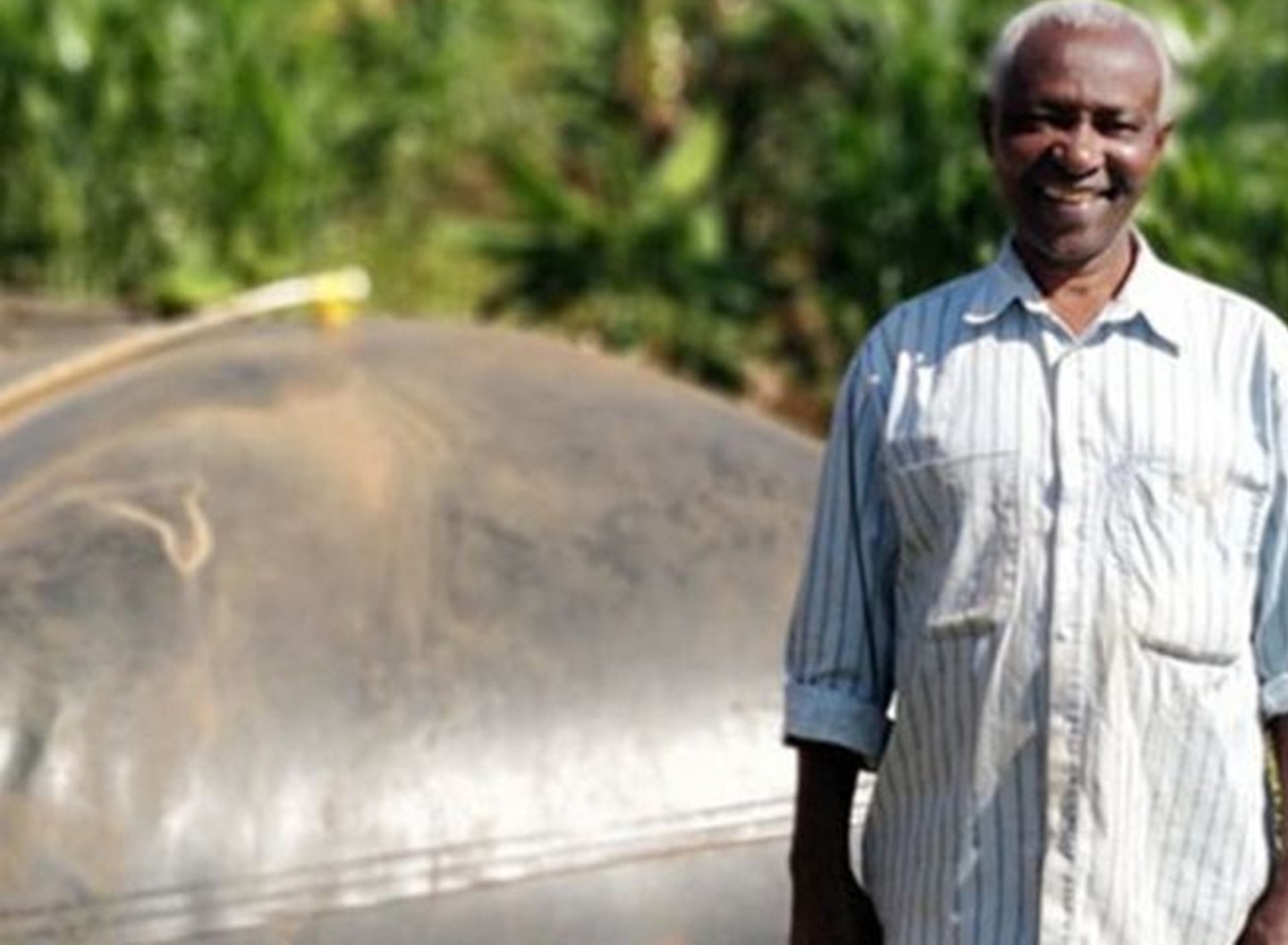
The farmer Samuel Gachau Kimani, has applied a circular approach in his farm in 2022 to fully exploit the wastes streams produced on his land. He bought the system Bio-Bolsa, which is a compact biodigester, technology very well known, but it is brought on a smaller scale within the reach of small hold farms. The cow dung which is inserted in the Bio-Bolsa digester transforms into gas for home cooking meanwhile the slurry becomes a super fertilizer for its own coffee production.
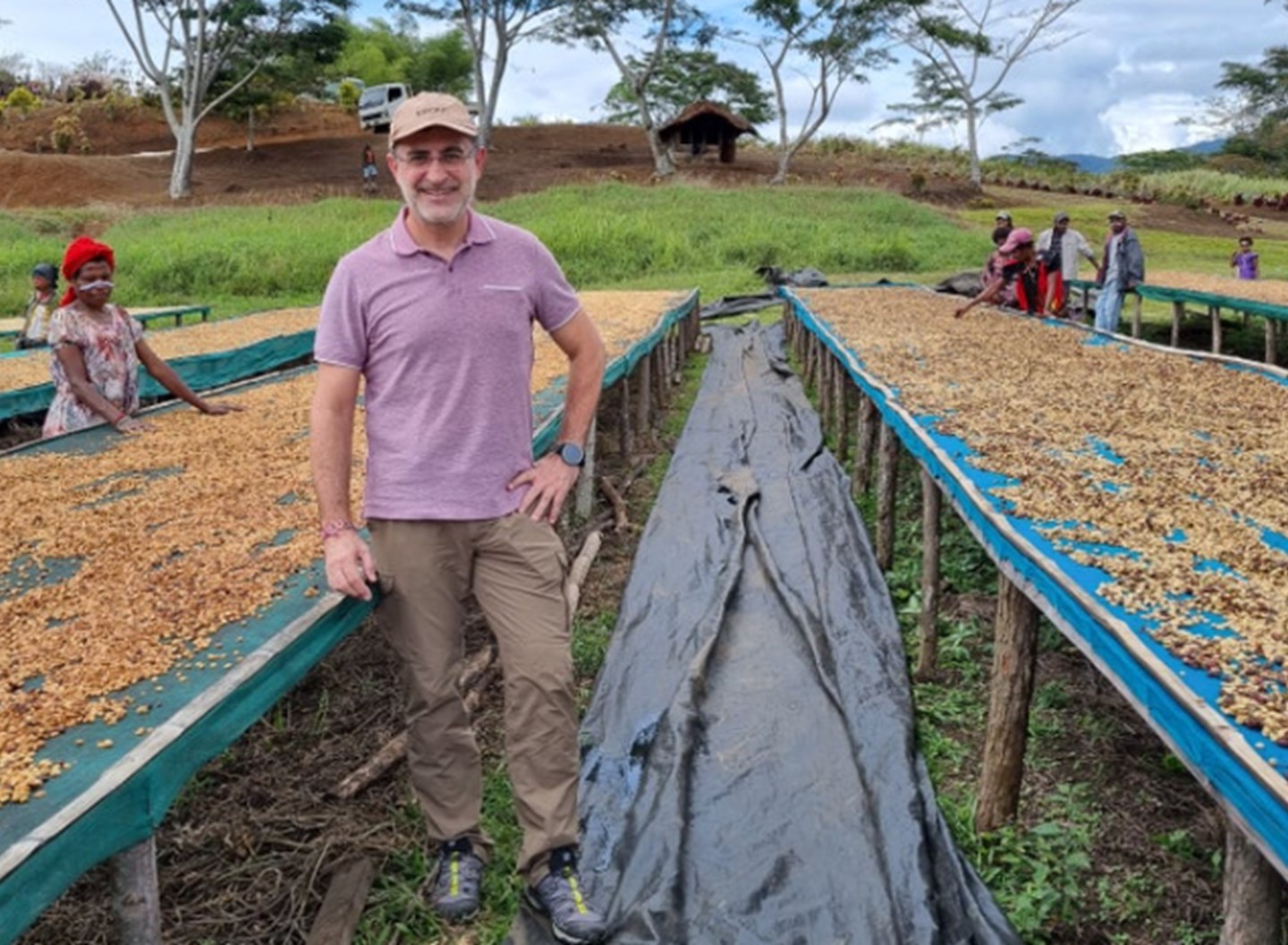
Sucafina is a global network of coffee professionals committed to the research of specialty coffee farms around the world by a local approach. In 2023 they launched the project impact which has its core focus on responasilbe coffee sourcing, rewarding farmers in the reshaping of the coffee industry, in a healthier direction. The program comes in with sustainability standards and 5 IMPACT goals.
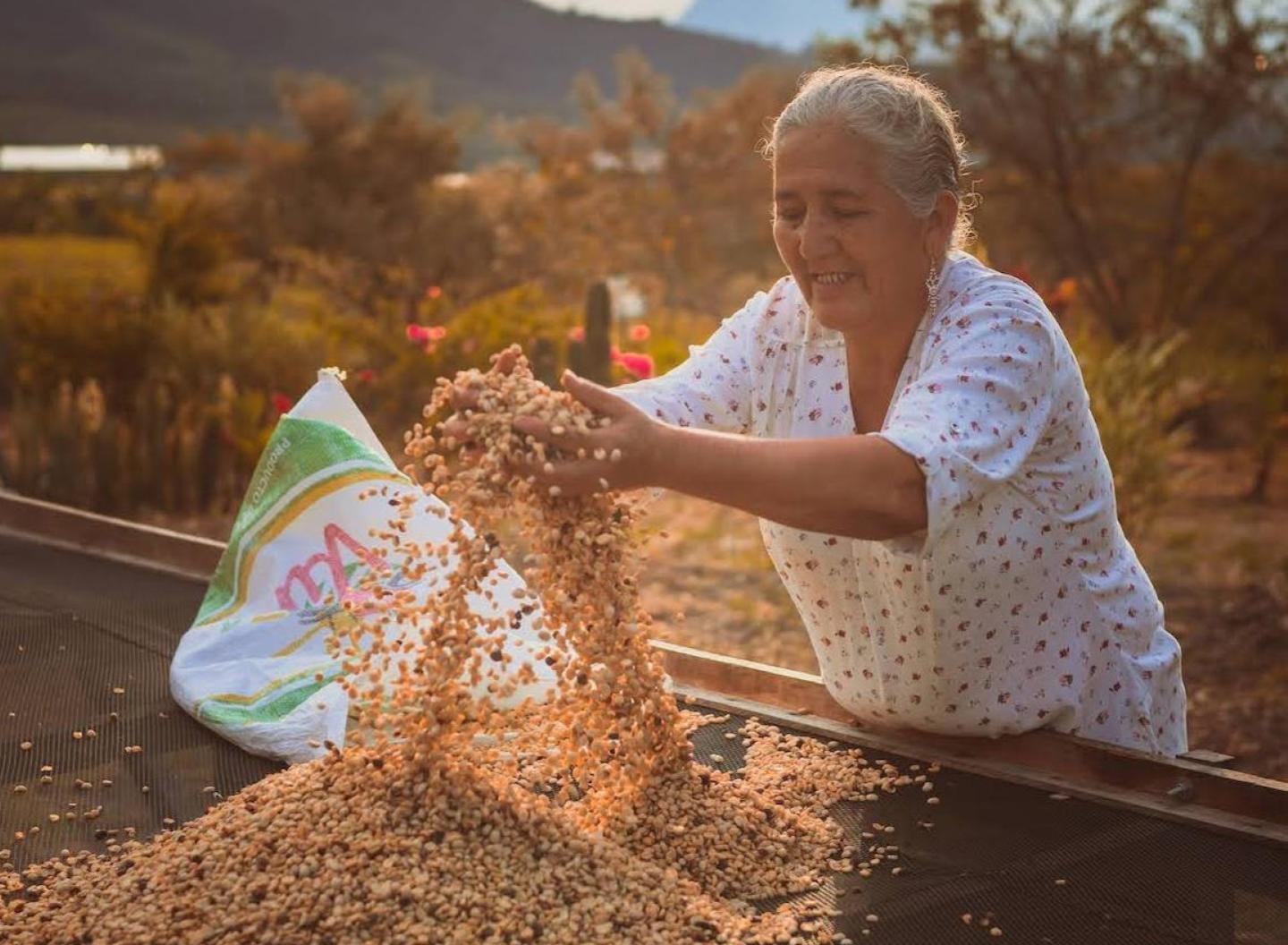
The Café Circular initiative trains Peruvian coffee farmers in regenerative, circular methods that improve soil health, water conservation, and yields. By reducing waste and promoting composting and agroforestry, the project enhances climate resilience, supports women’s leadership, and opens new economic opportunities in rural communities.
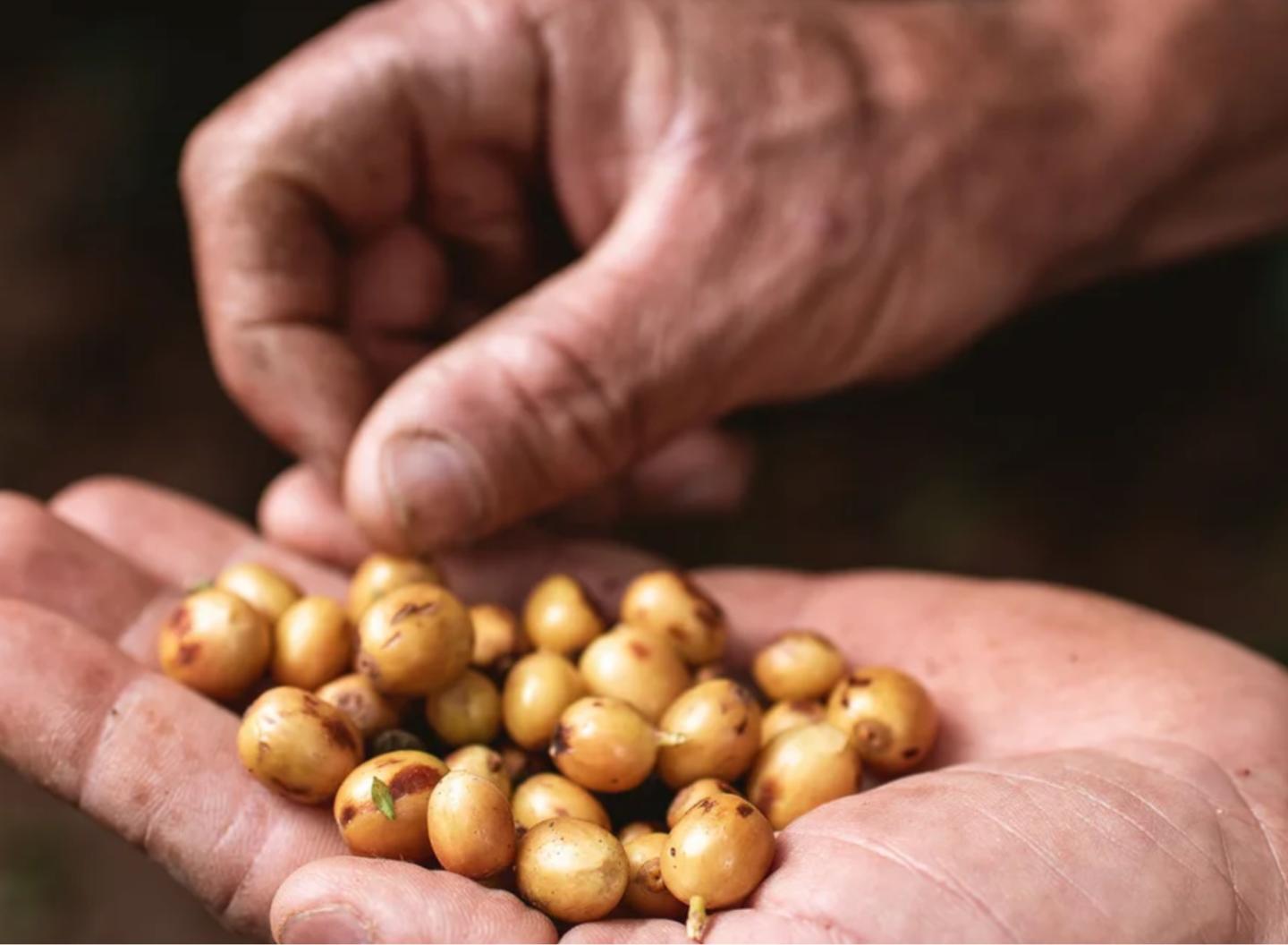
"Back to the Roots" initiative by the Melitta Group and Hanns R. Neumann Foundation (HRNS), seeks methods to recycle organic waste across the value chain. Chemical fertilizer alternatives: compost, biochar, bokashi.
Solidaridad, Jacobs Douwe Egberts BV, Olam Peru, the Netherlands Enterprise Agency (RVO), Cuencas del Huallaga and National Forestry Division SERFOR.
Perù & Netherlands , 2019
( Find Out more )

The Circular Coffee Project supports 1,600 coffee-smallholders in Perù adopting agroforestry systems that include shade trees, native forest conservation and soil-management practices. These measures boost production by about 10%, improve soil health, and enhance resilience to climate change in the coffee-growing region.
Nescafé promotes regenerative agriculture by supporting farmers in adopting soil-health restoration, shade-tree planting, and biodiversity conservation practices. Through training, financial incentives, and partnerships, the Nescafé Plan helps rebuild degraded soils, capture carbon, and improve farmers’ resilience to climate change.
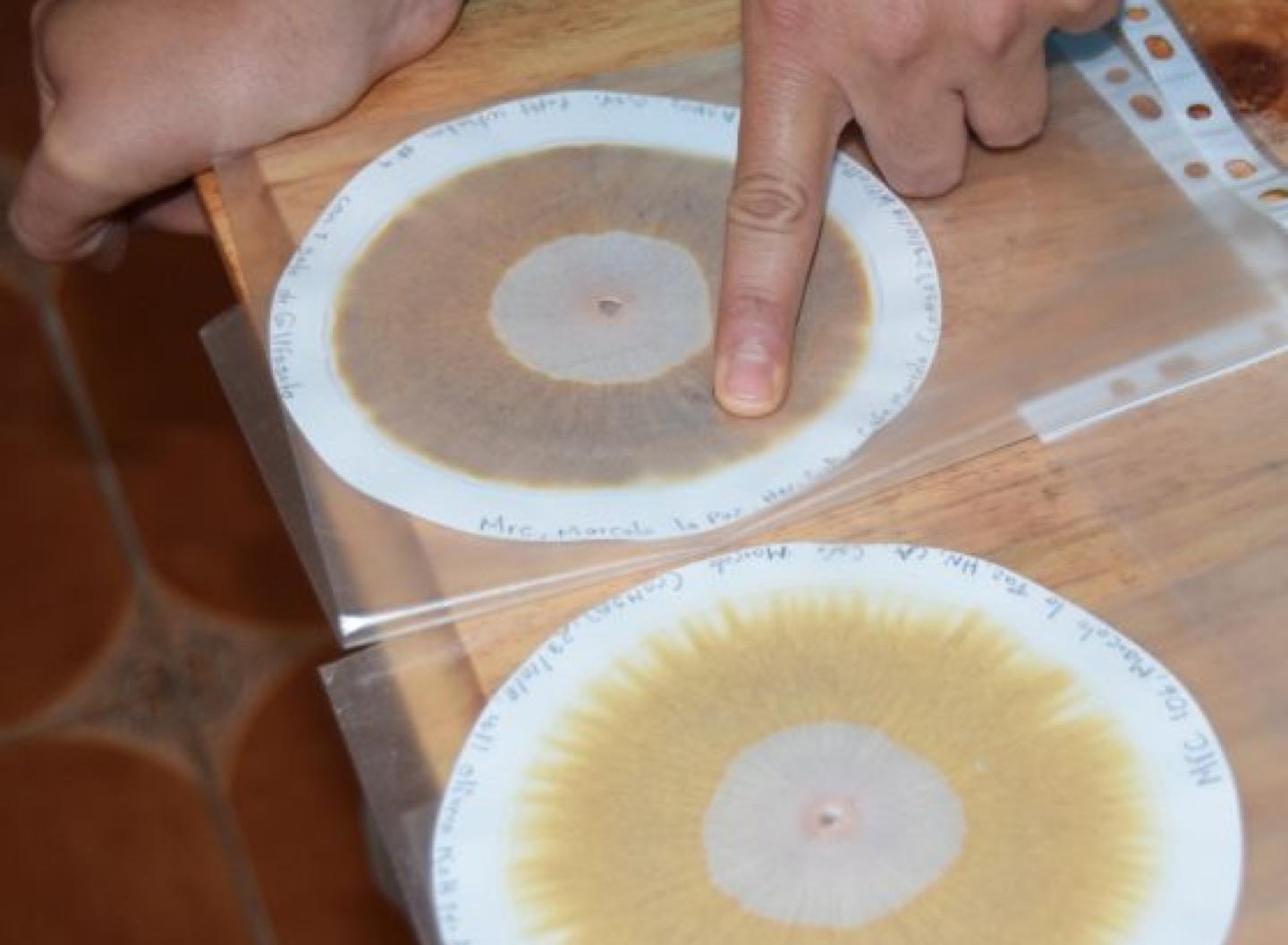
COMSA in Honduras, implements an intensive regenerative farming system designed to strengthen the natural immune defences of members’ lands. Finca Fortaleza, COMSA’s farmer-focused centre for experimentation and innovation, prioritizes the sustainable use of local natural resources. This site also hosts El Diplomado Organic, a week-long farmer training programme that combines theory with hands-on learning and visits to farms where these practices have already been successfully applied. COMSA also cultures native microorganisms and incorporates minerals from local rocks to further enrich soil quality.

The Circular Coffee Fund is committed to supporting coffee farmers by promoting sustainable practices and providing financial assistance.