
NEW PRODUCT / SOLUTION
Cascara
APPLICATION SECTOR
Food and beverage
VALORIZED OUTPUT
Coffee husks
TRL
Deploy
CONTEXT
Global
SDG


VALUE CHAIN AREA

Cascara, extracted from the dried husk of the coffee cherry, is gaining recognition in the beverage industry for its versatility and unique flavor profile. Traditionally used in soft drinks, tea, and energy drinks, cascara offers a distinctive taste with subtle fruity undertones and delicate coffee notes. Beyond beverages, cascara can be used in infusions and syrups, making it a valuable ingredient in baking. In addition to its appealing flavor, it is rich in antioxidants and possesses anti-inflammatory properties, making it a functional ingredient with potential health benefits. With infusion concentrations reaching up to 60g/L of water, cascara stands out as a refreshing and energizing alternative to conventional caffeinated beverages.
Cascara is also making its way into the culinary world, where chefs are exploring its potential in a variety of applications. From desserts to sauces and marinades, it enhances flavors and adds new dimensions to traditional dishes. This growing interest underscores cascara’s adaptability and its potential as a sustainable, innovative ingredient in both food and drink.
Its flavor profile varies widely depending on the coffee variety, cultivation methods, and processing conditions. Factors such as harvesting techniques, drying methods, and mechanical separation all influence cascara’s final taste, making each batch unique.
Sources:
- ICO 2024, Beyond Coffee: Towards a Circular Coffee Economy coffee-development-report-2022-23.pdf
- Effect of Drying Method and Temperature on the Quality of Cascara Tea https://ejournal.unipas.ac.id/index.php/Agro/article/view/1818
- Chemical Characteristics of Cascara, Coffee Cherry Tea, Made of Various Coffee Pulp Treatments https://iopscience.iop.org/article/10.1088/1755-1315/709/1/012030/meta
DESCRIPTION


IMPACTS



Cascara’s availability is inherently limited since it depends on the seasonal production of coffee cherries. Beyond its scarcity, maintaining quality and freshness presents another challenge, as its short shelf life requires careful storage. Navigating regulatory requirements adds yet another layer of complexity. Food safety standards vary across regions, demanding strict oversight and compliance to ensure its safe and legal distribution.
Additionally, achieving a consistent flavor profile remains a challenge due to the many variables influencing cascara’s taste. Unlike coffee beans, which have well-established grading and processing standards, cascara production is less standardized, leading to significant differences between batches. Variations in drying times, moisture levels, and fermentation can result in subtle or even pronounced shifts in flavor.
CHALLENGES AND LIMITS

EXAMPLES OF APPLICATION
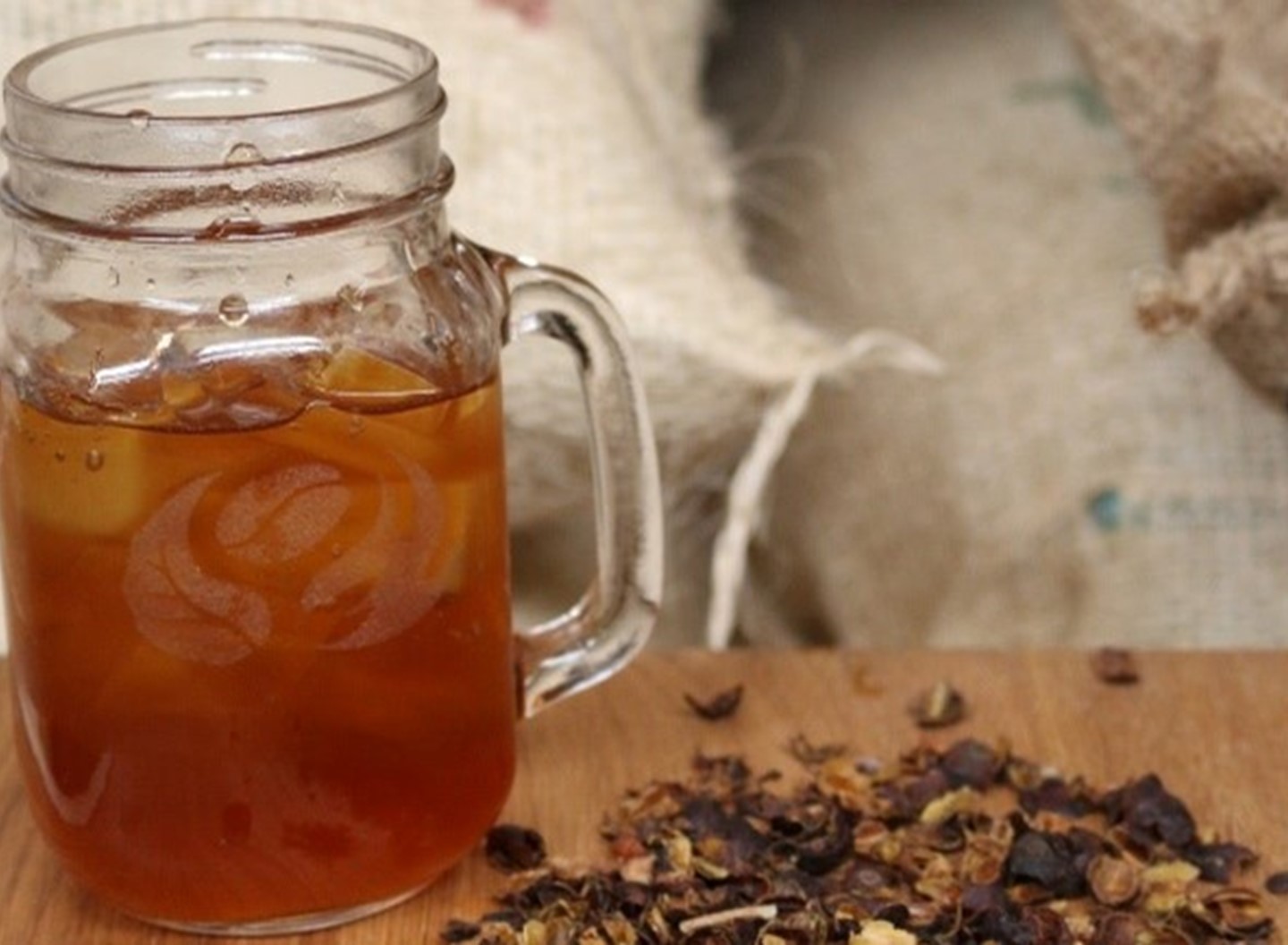
A Brazilian coffee retailer with a focus on sourcing and roasting. In recent years, they have revived the olde method of using the coffee pulp to produce a cascara beverage.
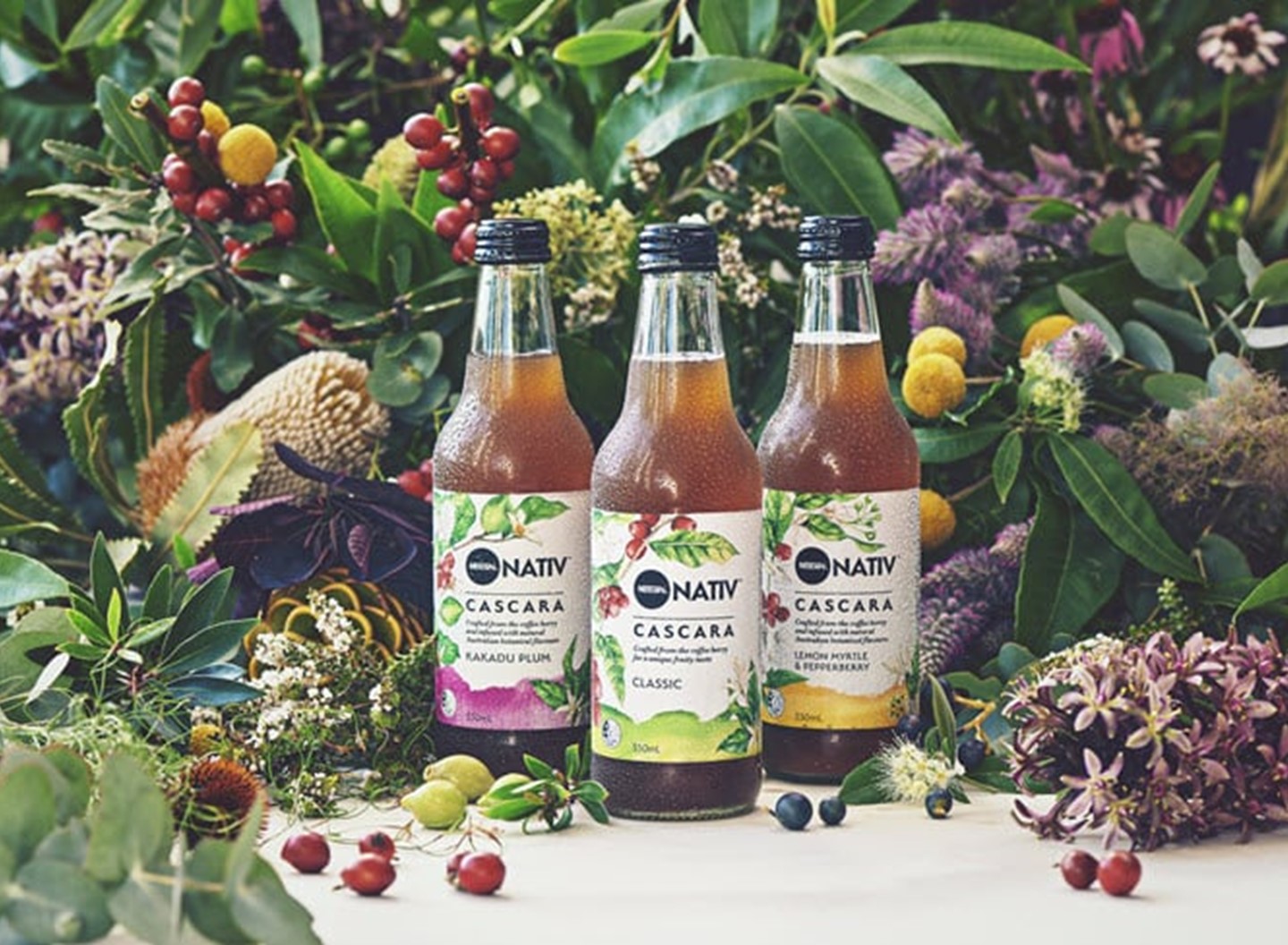
The sub-brand NATIV uses cascara from South American farms, blending it with local Australian flavours to create upcycled beverages.
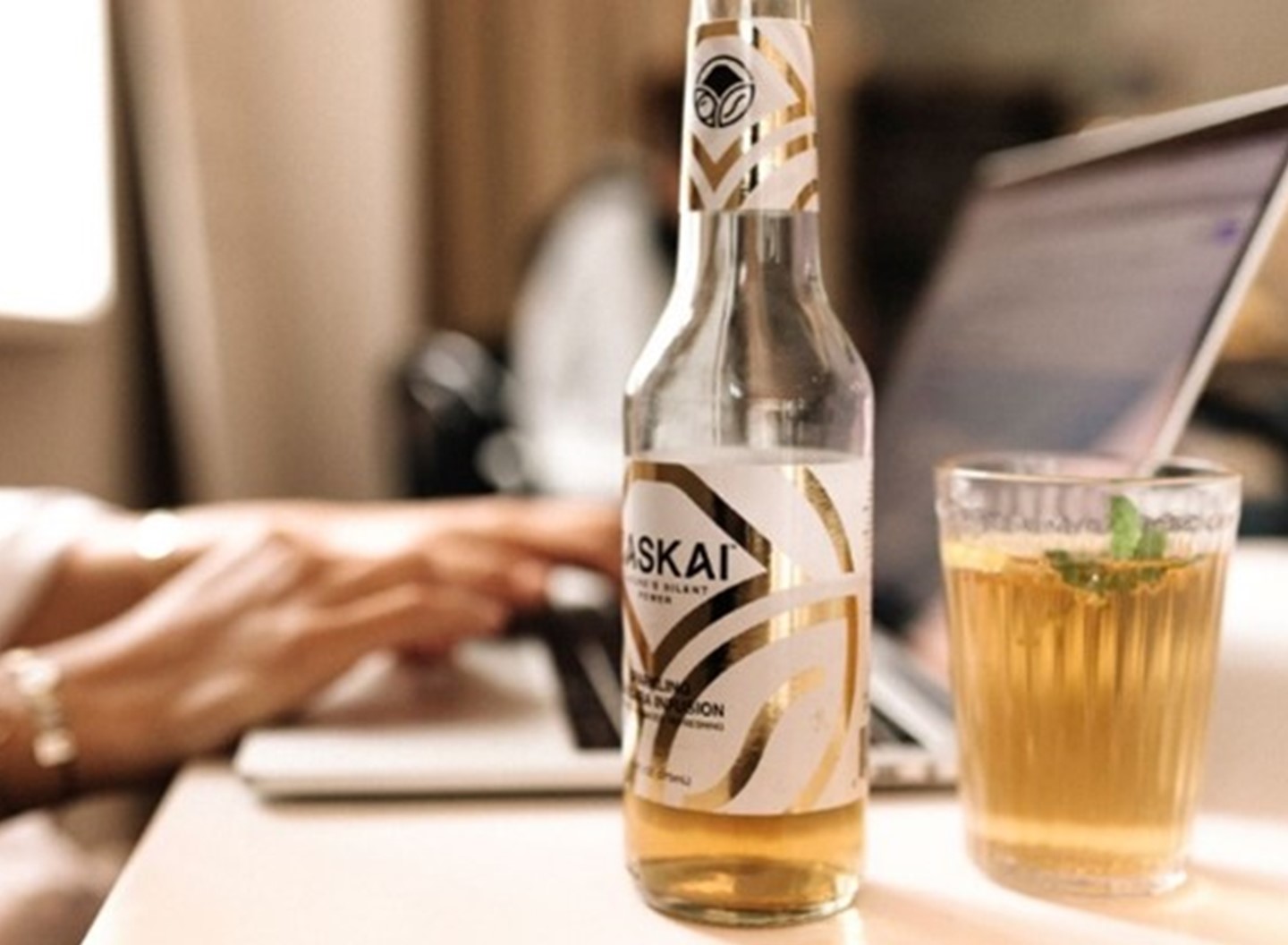
An initiative by Panama Varietals brand producing ready-to-drink cascara beverages, aiming to highlight cascara’s potential as a refreshing alternative in the beverage market.
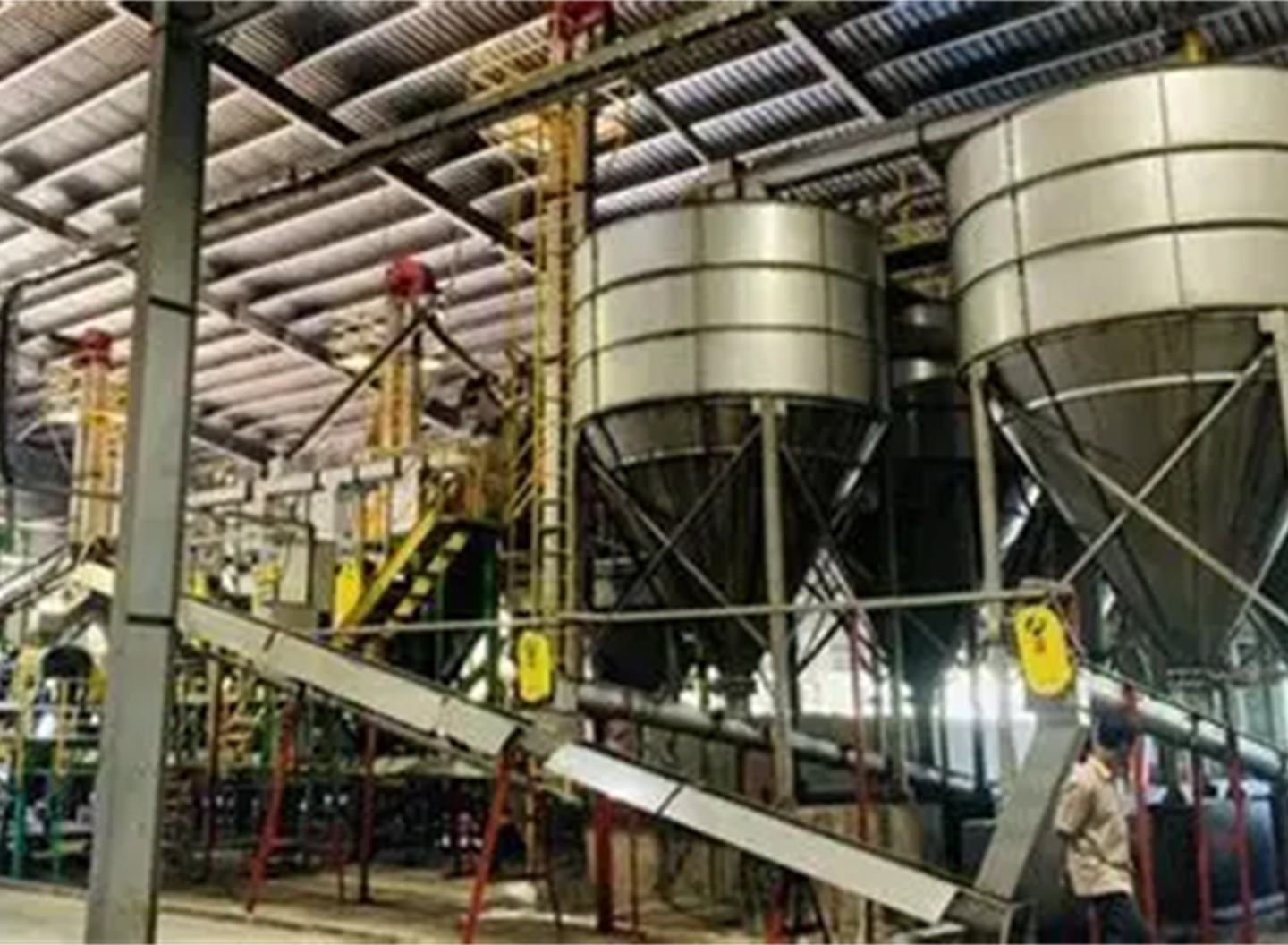
The Phuc Sinh Son La production line for processing Cascara tea was built in August 2023, with a capacity of 0.5 tons of finished tea per day. It includes a food-grade fruit washing system, peeling, UV drying.
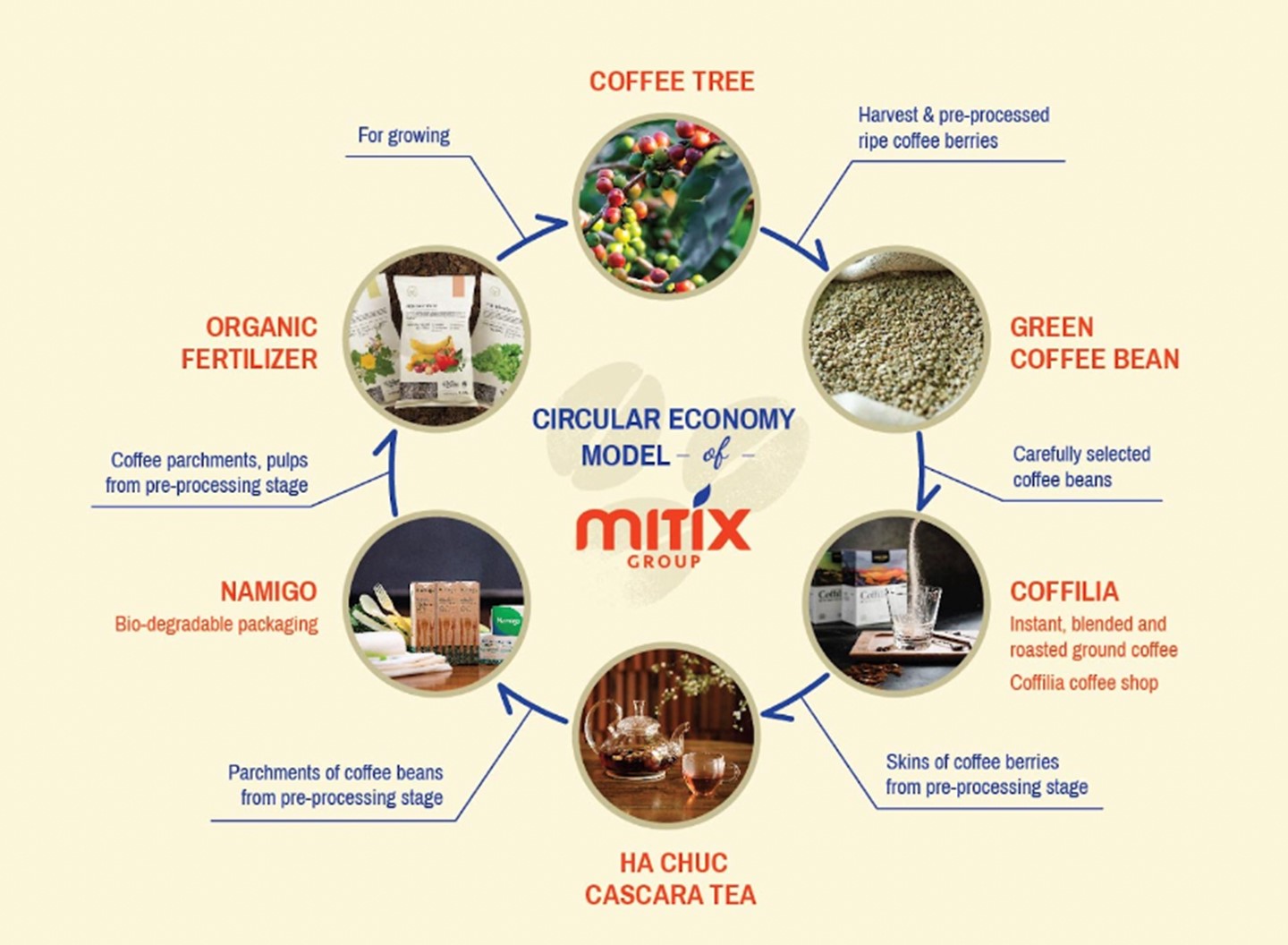
To tackle the growing crisis of resource scarcity and pollution, Mitix Group stands at the forefront, pioneering the integration of the Circular Economy Model into the production and processing of Vietnamese coffee.
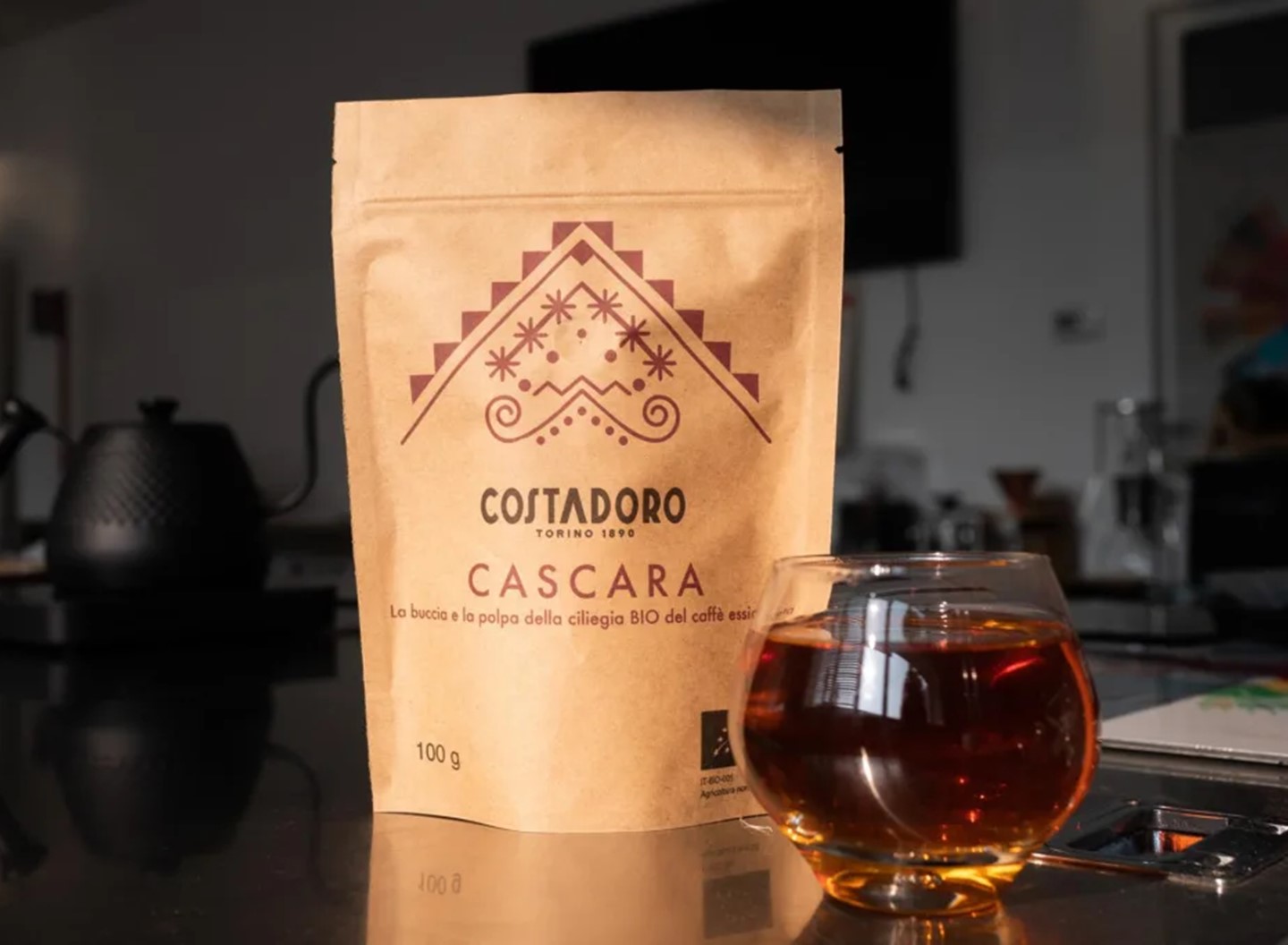
The harvesting of Cascara Costadoro takes place in Peru during the months of June, July, and August, in areas located between 1380 and 1720 meters, cultivated and cared for by local families.
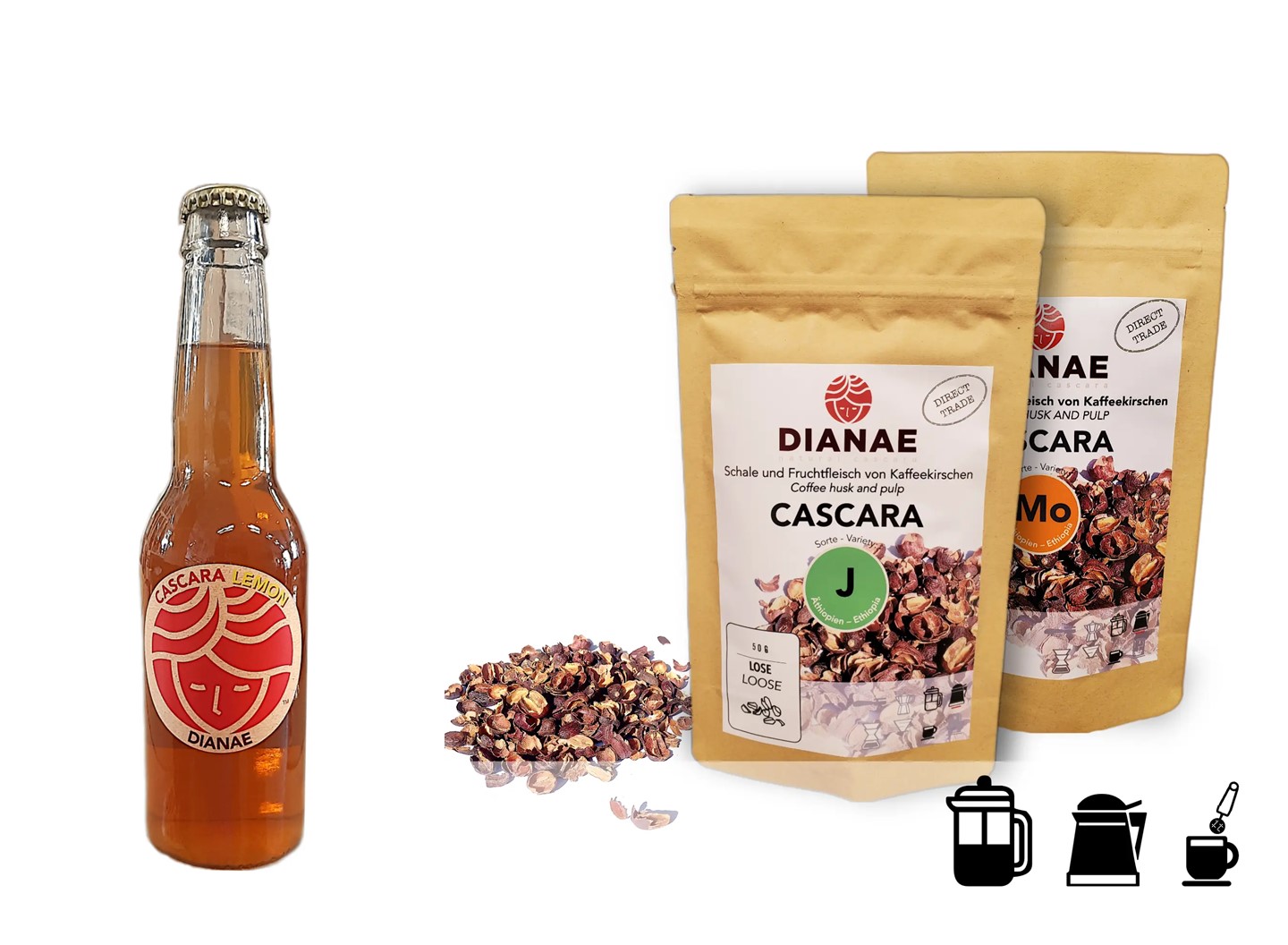
A Swiss-based beverage initiative focused on upcycling coffee by-products into sustainable drinks. The company specializes in producing cascara beverages—infusions made from the dried husk and pulp of coffee cherries—sourced directly from farmers.